This article may contain affiliate links. If you buy through them we may earn a commission at no extra cost to you.
The four shoes below held up across 8–12 hour walking days on cobblestones, wet trails, and loose gravel—without destroying our feet or our pack weight budget. None of them are perfect for every trip, which is why the trade-offs below matter more than any single ranking.
Every shoe here shares three non-negotiable features: a midsole with at least 15mm of cushioning that doesn’t compress after a few weeks of daily use; a heel-to-toe drop between 8–12mm (high enough to reduce calf strain on uneven terrain, low enough to feel natural on flat surfaces); and a weight under 11 ounces per shoe. Anything heavier becomes a burden when you need to switch shoes mid-trip.
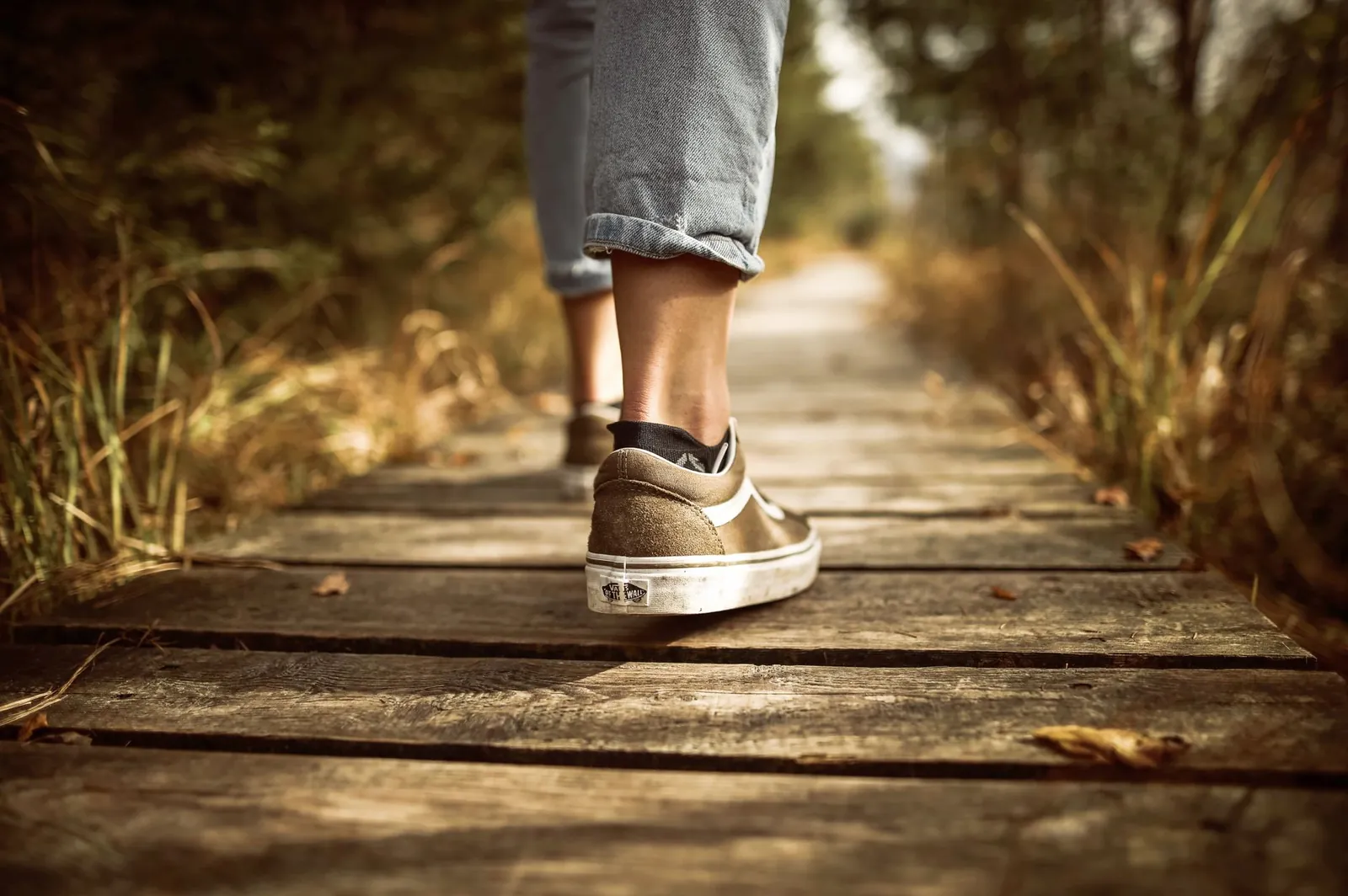
Merrell Moab 2 Vent: Best for mixed terrain
The trade-off: Style for durability
We wore Merrell Moabs for three weeks across Iceland and Morocco. They look like hiking shoes because they are hiking shoes—don’t expect them to pass for city sneakers. What they deliver instead: Vibram grip that held on rain-slicked stairs in Fez where other travelers were slipping, and cushioning that stayed responsive through week four of daily use.
The mesh uppers breathe well in heat. The padded collar prevents ankle chafing even on 20,000-step days. At $85–110, they cost less than three of the four options here and outperform them on rough terrain.
Not for: Anyone prioritizing a polished look or tight packing. These are chunky and don’t compress.
Salomon Crossamphibian Swift: Best for water crossings
When you’ll actually use this feature
We tested this in New Zealand’s South Island—creek crossings on hiking trails, then straight into town in the same shoes. The shoe drains in seconds and dries within two hours. On wet rock specifically, the grip outperforms the Merrell.
The trade-off is cushioning. The sole is noticeably firmer on pavement; your feet feel the ground more, which some travelers prefer and others find tiring after hour six. At $120–145, the premium is justified if water features are part of your itinerary—not if they aren’t.
Not for: City-only trips, or anyone with plantar fasciitis who needs maximum cushioning underfoot.
New Balance Fresh Foam 1080: Best for pure comfort on pavement
The cushioning specialist
We logged 23,000 steps in a single day through Barcelona in these and finished without blisters or hot spots. It’s a running shoe, not a hiking shoe—that’s exactly why it works for city-based travel where you’re mostly on sidewalks and stone streets. Your calves feel noticeably fresher at day’s end compared to firmer shoes.
The outsole isn’t aggressive enough for loose gravel or serious trail work, and the cushioning compresses faster under heavier impact—if you’re over 200 pounds, expect reduced responsiveness by week three. At $110–130, it’s competitively priced for what it does.
Not for: Multi-terrain trips, or anyone planning anything beyond urban walking.
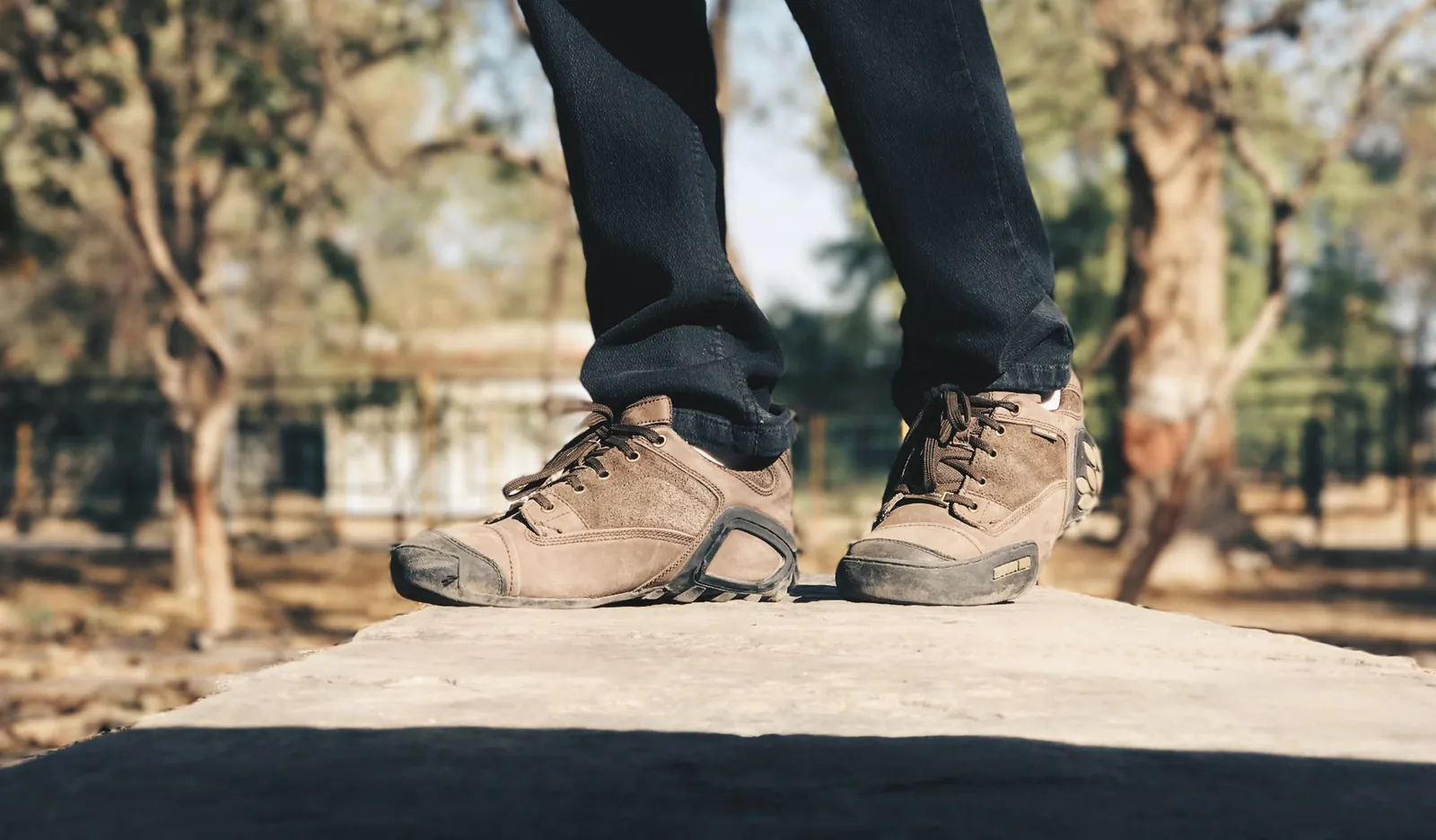
Altra Lone Peak: Best lightweight option
For minimalist packers
At 9.8 ounces per shoe, it’s the lightest option we tested that doesn’t sacrifice meaningful support. The zero-drop design places heel and toe at the same height—your calves may feel tight for the first three to four days if you’re coming from conventional shoes, which is a real adjustment, not a minor footnote.
The wide toe box pays off after hour five, when feet typically swell. We noticed less toe numbness compared to narrower shoes on long days. The Vibram outsole handles mixed terrain competently. At $130–155, it’s the most expensive pick here; the weight savings justify it if you’re hiking to campsites or living out of a single bag.
Not for: People with high arches, or anyone who hasn’t worn zero-drop shoes before and won’t have time to break them in properly.
Comparison table
| Shoe | Price | Weight per shoe | Best for | Terrain strength | Packability |
|---|---|---|---|---|---|
| Merrell Moab 2 Vent | $85–110 | 10.8 oz | Mixed terrain, all-day durability | Excellent | Moderate |
| Salomon Crossamphibian Swift | $120–145 | 11.2 oz | Water crossings, wet environments | Excellent | Moderate |
| New Balance Fresh Foam 1080 | $110–130 | 10.4 oz | City walking, maximum cushioning | Good | Good |
| Altra Lone Peak | $130–155 | 9.8 oz | Lightweight travel, minimalist packers | Good | Excellent |
Our verdict
If you’re undecided, buy the Merrell Moab 2 Vent. It handles almost any situation competently, costs less than the alternatives, and the Vibram grip is genuinely better than shoes that cost $40 more. City-only trip with luggage space? The New Balance Fresh Foam 1080 will make your feet happier at day’s end. Hiking to campsites or crossing creeks? The Salomon earns its premium.
Fit and break-in strategy
The one-week rule
Buy your travel shoes at least one week before departure. We learned this wearing brand-new Salomons on day one of a two-week trip—two days of heel blisters followed. Wearing shoes for 2–3 hours on different days at home reveals hot spots that a store fitting never will.
Structure break-in around your longest home walks. If you normally cover 5,000 steps daily, do a 10,000-step day in the new shoes before you leave. That load stresses the shoe in ways that matter and still leaves time to return them if something’s wrong.
A shoe that fits wrong at mile three will feel catastrophically wrong at mile twelve.
Materials and durability across climates
Mesh vs. synthetic uppers
Mesh breathes better in heat and dries faster when wet, but offers less protection from dirt and debris on trail. Synthetic uppers are tougher but trap heat on warm days. The Merrell Moab’s hybrid approach—mesh on the sides, synthetic reinforcement on toe and heel—is the most practical configuration for travel that moves between climates.
Sole longevity
Vibram soles, used by both Merrell and Salomon, last 400–600 miles of active use before grip noticeably degrades. Continental rubber on the Altra lasts slightly longer but starts less grippy on wet surfaces. A two-week trip at 15,000 daily steps covers roughly 100 miles—well within any quality sole’s lifespan. For trips over a month, either bring a second pair or accept reduced grip by week three. We’ve done both.
Packing and care
Travel shoes occupy roughly 1.5 liters of luggage space. If you’re packing a single carry-on, wear your walking shoes during the flight and pack a lightweight slip-on for the plane and hotel instead of a second pair of shoes. You save space and break in your shoes gradually.
In dusty or dry environments, rinse your shoes every three to four days. Salt buildup from sweat degrades insoles faster than mileage does. We pack a small microfiber cloth specifically for this—it weighs nothing and keeps insoles fresh for longer.
For more on what to pack alongside your shoes, see our packing list for two weeks in Europe—the principles carry over to any extended walking trip.
Frequently asked questions
Can I use running shoes for travel walking?
Yes, if your trip is city-based and mostly flat. Running shoes like the New Balance Fresh Foam 1080 work well on pavement but won’t grip wet surfaces as reliably as hiking shoes and wear faster on rough terrain. The Fresh Foam 1080 is the one running shoe here we’d actually recommend for hybrid use.
How much break-in time do these shoes need?
The Merrell Moab typically needs 3–5 wears of 2–3 hours each. The New Balance Fresh Foam 1080 and Altra Lone Peak can feel comfortable after one wear, but we still recommend the one-week minimum to catch developing hot spots. The Salomon Crossamphibian Swift needs about 4–6 cumulative hours before it feels natural.
What if my feet are wide or narrow?
The Altra Lone Peak has a genuinely wide toe box—best choice for wider feet. The Merrell Moab runs medium-to-narrow; if you have narrow feet, it may actually feel too loose. The New Balance Fresh Foam 1080 and Salomon Crossamphibian Swift both run true to size with medium widths.
Do I need insoles or orthotics?
Most travelers don’t. All four shoes come with molded insoles that provide reasonable arch support. If you have plantar fasciitis or very high arches, the New Balance Fresh Foam 1080 offers the most cushioning of the four—but consult a podiatrist before a long trip if either condition is active.
Can I wear the same shoes for hiking and city walking?
That’s the point of these recommendations. The Merrell Moab 2 Vent is the strongest at both—we wore them from Barcelona streets to Icelandic lava fields without swapping. You’ll give up some specialization in each direction (hiking boots grip better on steep scree; road shoes cushion better on pavement), but any shoe here handles both competently.

Tomas is a former airline route planner who now writes about fares, airports and getting there without the drama.