This article may contain affiliate links. If you buy through them we may earn a commission at no extra cost to you.
Shinjuku and Asakusa are the strongest all-around bases for most visitors—good train access, lower prices than Shibuya, and actual neighborhood character. Where you should land depends on one question: what does your day look like after 9 p.m.? We’ve stayed in all of these districts and ranked them by transit, food, price, and honest trade-offs.
Shibuya: The Overstimulated Choice
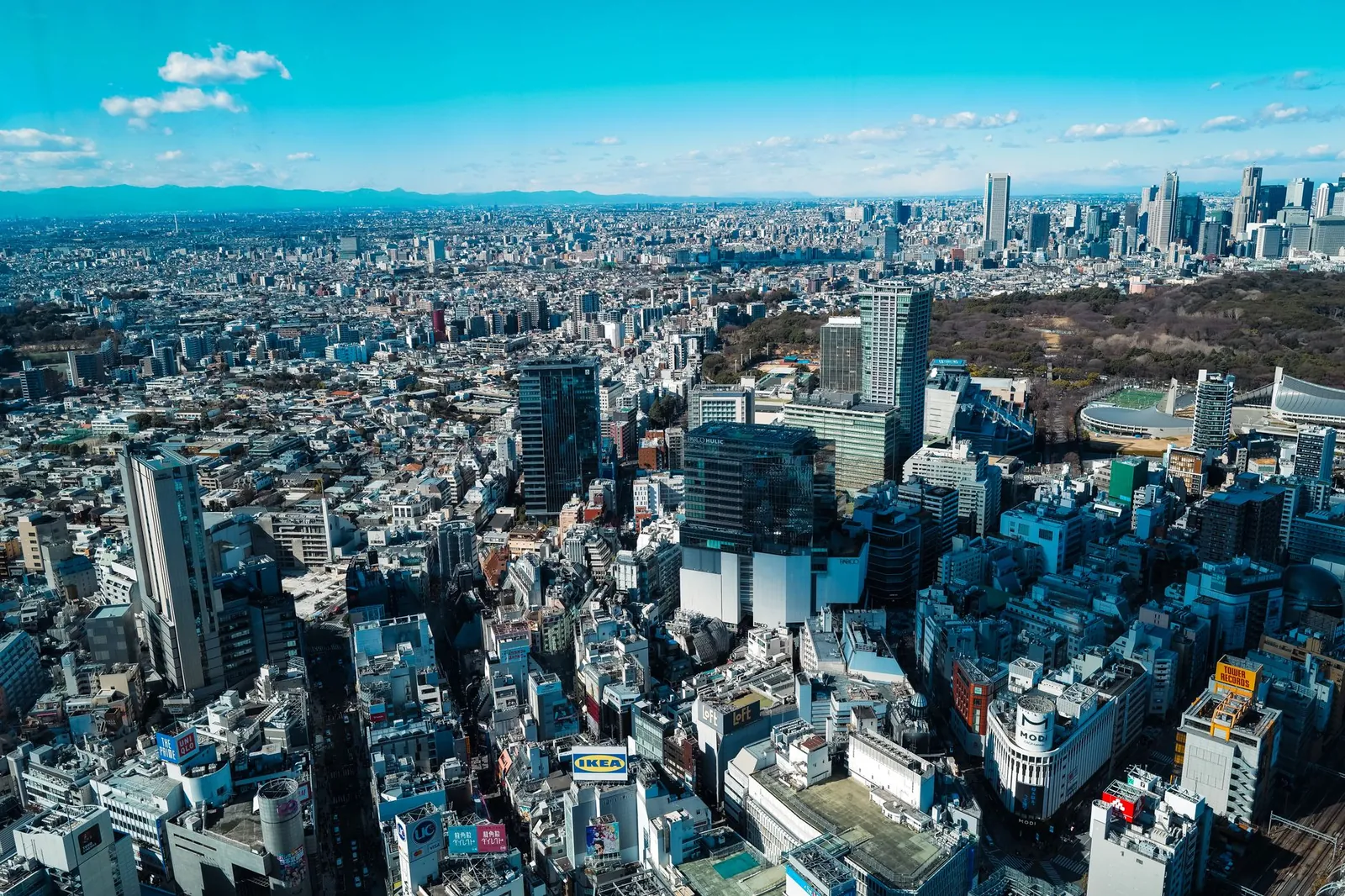
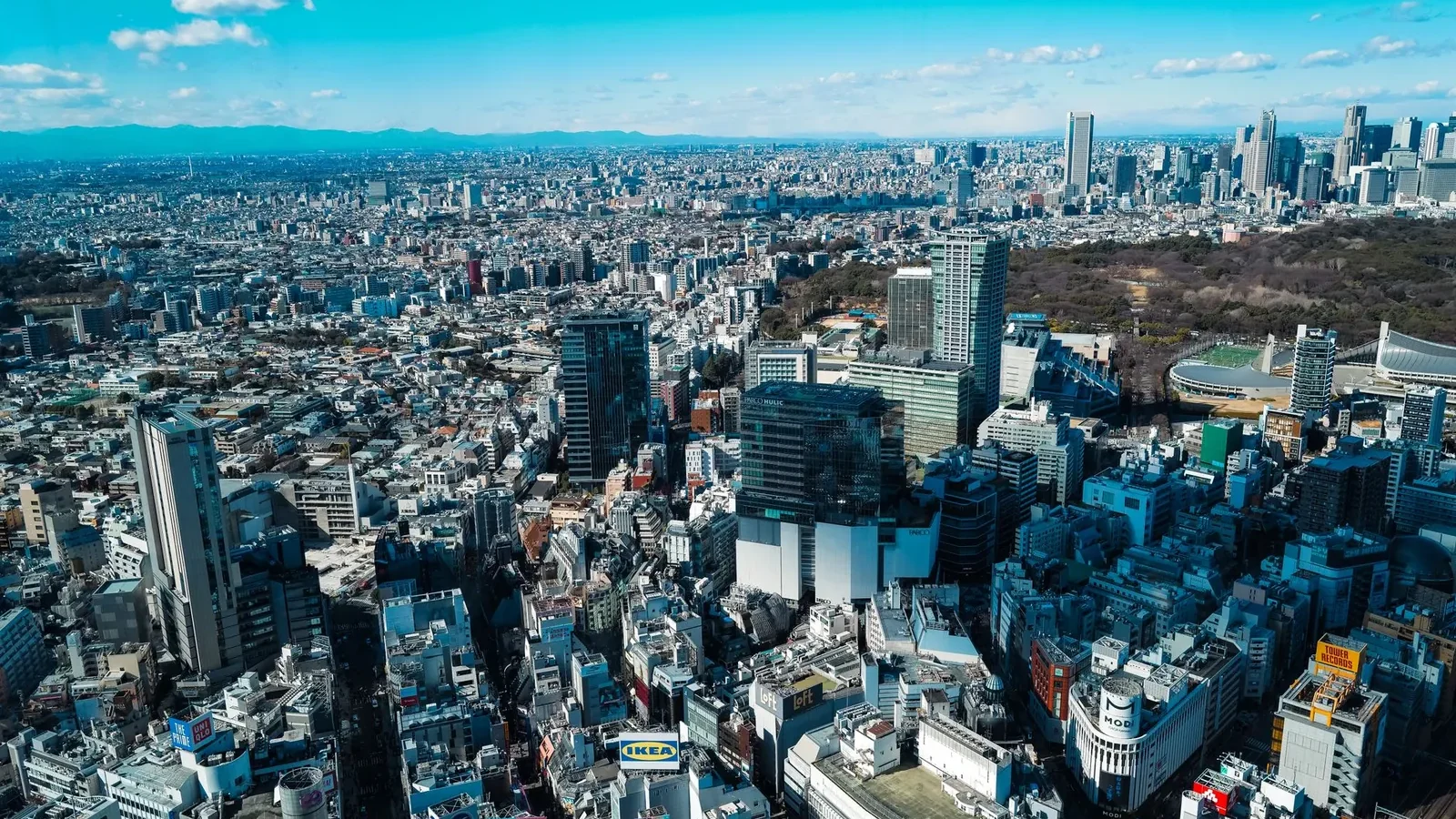
Shibuya is where we go when we want constant energy and don’t mind paying for it. The Scramble Crossing, neon signs, and 24-hour restaurants deliver exactly what postcards promise. Five train lines converge here—JR Yamanote, Ginza, Hanzomon, Fukutoshin, Keio Inokashira—so reaching anywhere in Tokyo takes 15–30 minutes.
Who this is for
First-time visitors and under-30 travelers who want nightlife and shopping within walking distance. Mid-range chains run $120–250/night.
The trade-off
Shibuya is loud, crowded, and expensive. Restaurants charge a location premium—a ramen bowl that costs $10 in Ikebukuro runs $14–16 here. If you’re staying more than four days, the novelty fades faster than you’d expect. Skip it if you want quiet mornings or anything resembling a neighborhood feel.
Shinjuku: The Practical Hub
Shinjuku has the same train connectivity as Shibuya but feels less like a theme park. Kabukicho—the red-light district—is here, but so are normal side streets, department stores, and ramen shops that locals actually use. The station has over 200 exits, which sounds absurd until you’ve navigated it twice and it becomes muscle memory.
Accommodation range
- Hotels: $100–200/night
- Hostels: $30–60/night
- Capsule hotels: $25–50/night
Best for
Budget travelers and anyone using Tokyo as a base for day trips to Nikko, Kamakura, or Hakone—all reachable within 90 minutes. The west side, near Meiji Shrine, is noticeably quieter than the east side near Kabukicho. That distinction matters if you’re noise-sensitive.
Asakusa: The Historic Neighborhood
Asakusa feels like old Tokyo in a way that isn’t manufactured. Senso-ji draws crowds along Nakamise shopping street, but two blocks off the main drag you’re in quiet residential streets with small sushi counters and family-run hardware stores that have been there for decades. The side alleys are where the neighborhood actually lives.
Transport reality
The Ginza Line connects Asakusa directly to Shibuya and Shinjuku in 20–30 minutes. There are only two lines here, so trips to Yokohama or Kamakura require a transfer—add 10–15 minutes compared to leaving from Shinjuku.
What you’ll pay
Hotels run $80–160/night, making this the most affordable central option. Restaurants cater to tourists but aren’t price-gouged—we’ve had solid tempura sets for $12–18 within a five-minute walk of the temple.
Who skips it
Travelers who want nightlife. Asakusa closes early—most bars are done by midnight. The temple crowds are dense from 9 a.m. to 5 p.m. If you’re staying two days or fewer, the slower train access may not be worth it.
Harajuku: The Youth Culture Trap
Harajuku is Instagram-famous for Takeshita Street, a narrow alley packed with fashion boutiques and crepe stands. The neighborhood has real character—vintage shops, small designers, cafes that take their coffee seriously—but it’s also where we’ve felt most like tourists. Omotesando, the parallel avenue, is high-end retail and $8 lattes.
Accommodation and access
Hotels run $110–200/night. The JR Yamanote Line runs through, so train access is fine. But Harajuku is thin—most of what there is to see sits on two main streets. Once you’ve walked them, there’s less to discover than in Shinjuku or Asakusa.
We’d stay here for one or two nights, usually for specific shopping. It works better as a half-day from Shibuya (a 10-minute walk) than as a home base for a week.
Shibuya–Shinjuku–Harajuku Comparison
| Neighborhood | Vibe | Hotel Range | Train Lines | Best For | Skip If |
|---|---|---|---|---|---|
| Shibuya | Neon, crowded, energetic | $120–250 | 5+ lines | First-timers, nightlife | You want quiet or staying 4+ days |
| Shinjuku | Chaotic but practical | $100–200 | 5+ lines | Budget travelers, base camp | You hate big stations |
| Asakusa | Historic, quieter | $80–160 | 2 lines | Cultural travelers, budget | You want nightlife or fewer transfers |
| Harajuku | Youth, fashion-focused | $110–200 | 2 lines | Fashion enthusiasts, 1–2 nights | You want depth or aren’t into shopping |
Ikebukuro and Ueno: The Overlooked Options
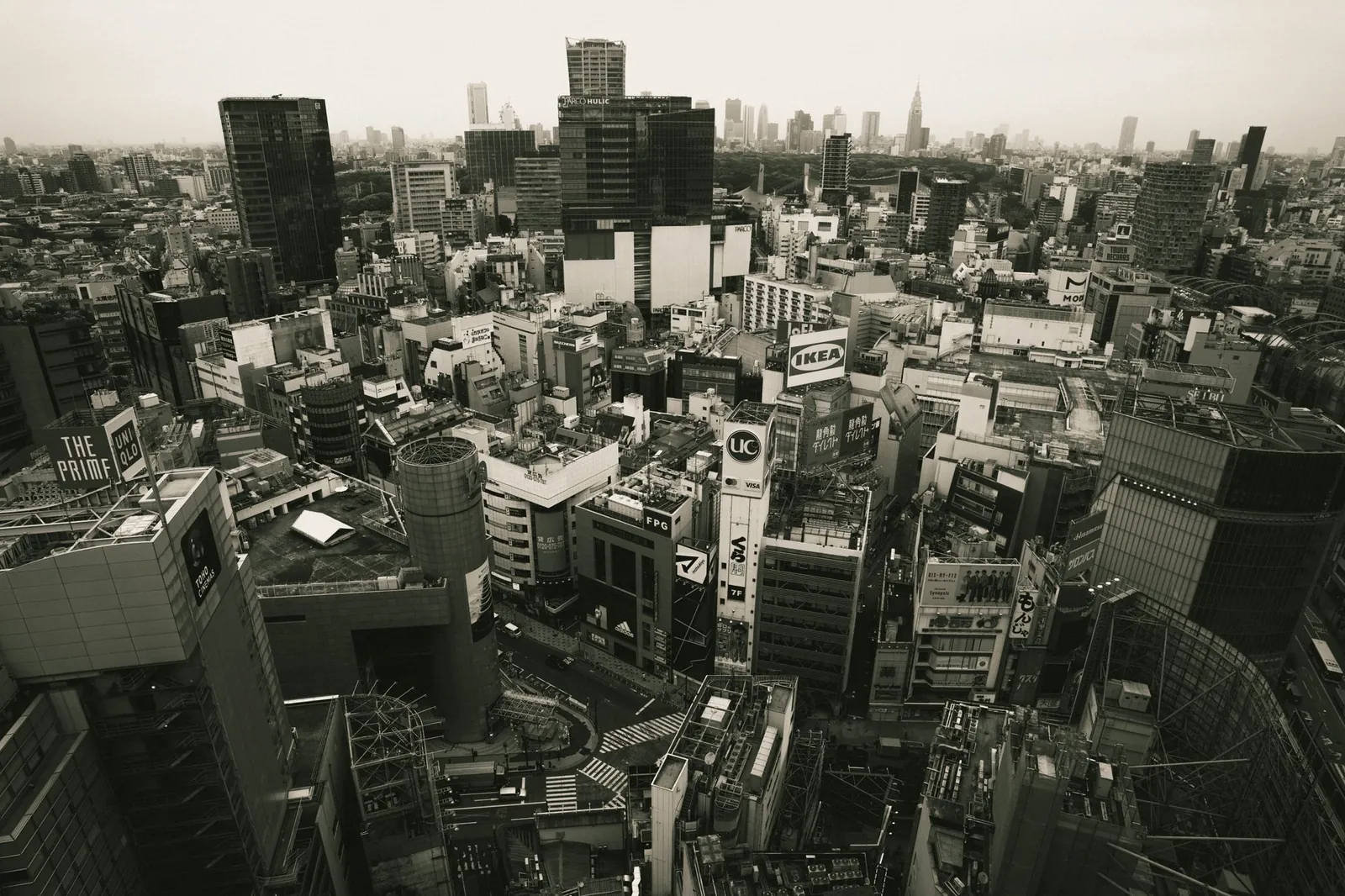
These are the neighborhoods where Tokyo residents actually eat dinner. Both have major train hubs, hotel prices 15–20% below Shibuya, and daily life that isn’t organized around visitors.
Ikebukuro
North of Shinjuku and less polished, which is the point. Department stores, ramen alleys, and the Sunshine City complex are all within walking distance. Hotels run $90–170/night. The Fukutoshin and Marunouchi lines connect it to most of central Tokyo in under 25 minutes. We choose Ikebukuro when we want Shinjuku’s functionality without the crowds.
Ueno
Home to Ueno Park, the Tokyo National Museum, and a zoo that’s been there since 1882. The neighborhood has an older, quieter character—small izakayas, covered shopping arcades, the kind of place where the lunch specials are written by hand. Hotels: $85–150/night. The Ginza and JR Yamanote lines both run through. Shibuya and Shinjuku are 20–25 minutes away, which matters if you’re planning late nights in either.
Stay where your daily routine takes you, not where Instagram tells you to go.
Roppongi and Minato: For Specific Travelers
Roppongi is expat-heavy—international restaurants, bars open until 5 a.m., clubs with cover charges. It’s less distinctly Japanese than any other neighborhood on this list, which is either a feature or a problem depending on why you’re visiting. Hotels run $120–220/night. The Oedo and Hibiya lines connect it, but fewer options than central districts.
Minato ward covers a lot of ground. Odaiba has shopping malls and a man-made beach. Daikanyama has indie bookshops and cafes. Azabu-Juban is residential and quiet. All three require more transfers to reach Shibuya or Shinjuku than staying in either outright. Hotels: $110–200/night.
We stay in these neighborhoods when we have a specific reason—a concert venue, a restaurant reservation, a shopping errand—not as a general base.
Budget Strategy: Where to Save
Asakusa, Ikebukuro, and Ueno run 15–25% cheaper than Shibuya on average. Staying in any of them and taking the train to Shibuya for an evening costs $2–3 per trip—far less than the nightly rate difference. For our full breakdown, see how to find cheap hotels in Tokyo.
Hostels and capsule hotels cluster in Shinjuku, Asakusa, and Ikebukuro. We’ve paid $30–45/night in clean, well-located hostels in all three. Airbnb in residential neighborhoods like Meguro or Setagaya runs $50–100/night but adds 15–25 minutes of commute each way—worth it for longer stays, not for five nights.
Our verdict
First-time visitors: Shinjuku or Asakusa. Good train access, lower prices than Shibuya, actual neighborhood character. Returning visitors who want fewer tourists: Ikebukuro or Ueno. Nightlife priority: Shibuya or Roppongi—accept the cost. Budget focus: Asakusa or Ikebukuro, day-trip to central areas by train.
Frequently asked questions
Which neighborhood has the best food?
All of them, differently. Shibuya and Shinjuku have every cuisine. Asakusa specializes in traditional Japanese—tempura, sushi, ramen. Ikebukuro has strong ramen alleys and izakayas. Harajuku leans toward trendy cafes and international spots. Pick based on what you want to eat; trains make the rest accessible in under 30 minutes.
Is it safe to stay in Kabukicho (Shinjuku’s red-light district)?
Yes. Kabukicho is heavily policed and busy rather than dangerous. Hotels there run $80–140/night and are convenient to the station. The area is loud and seedy at night—most travelers avoid it for atmosphere reasons, not safety ones.
How long does it take to get from each neighborhood to the airport?
Narita Express (NRT): 60–90 minutes from central Tokyo, around $30. Haneda Express (HND): 30–45 minutes, around $15. Haneda is closer and cheaper for most travelers. From Shinjuku or Shibuya, count 45–60 minutes total. From Asakusa or Ueno, add 10–15 minutes.
Do I need to stay in a specific neighborhood to experience Tokyo?
No. The Yamanote Line circles central Tokyo in about 60 minutes, connecting all major neighborhoods. From anywhere with a train line, you can reach Shibuya, Shinjuku, Asakusa, or Harajuku in 15–30 minutes. Neighborhood choice is about comfort and budget, not access.
What’s the quietest neighborhood for sleeping?
Ueno, the west side of Ikebukuro, or the residential pockets of Minato—Azabu-Juban and Daikanyama specifically. Shibuya and Harajuku stay loud until 2–3 a.m. Shinjuku is manageable if you’re on a side street away from the station, but don’t count on it being quiet near Kabukicho.

Maya has spent twelve years writing about travel, from budget backpacking to family resorts, and still packs too many socks.