This article may contain affiliate links. If you buy through them we may earn a commission at no extra cost to you.
Ten days is the minimum to drive the South Island loop without it feeling like a commute. Twelve is better. Budget $1,450–$2,500 per person excluding flights, and expect to spend more time looking out the window than ticking off attractions. We’ve done this loop twice and cut the stops that don’t justify the detour.
The Core Loop: Queenstown to Milford Sound to the West Coast
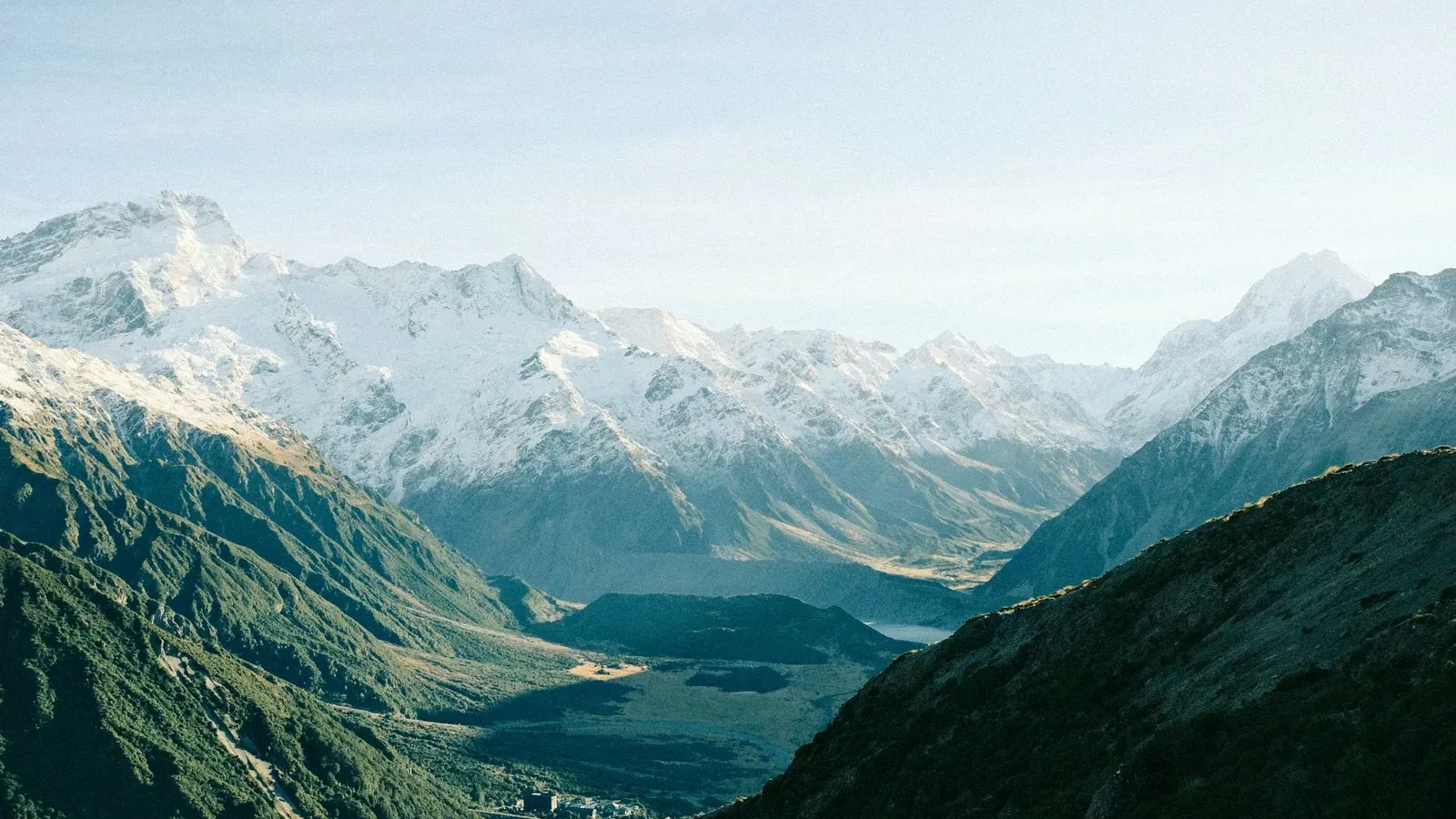
The route most drivers follow is a rough triangle: Queenstown as the entry point, southwest to Milford Sound and Fiordland, north along the West Coast to Franz Josef and Fox Glacier, then back east via Haast Pass to Lake Pukaki and Mount Cook before returning to Queenstown. Total driving is roughly 1,200 km. That’s manageable over 10–12 days if you’re not trying to cover it in six-hour stints.
Days 1–2: Queenstown
Most international travelers arrive into Queenstown. Don’t schedule a full-day activity on arrival if you’ve crossed more than six time zones. Day one is for the Waterfront walk, dinner at Rātā or Juju (mains $28–$45), and sleep. Day two: rent a car. Economy class runs $35–$60/day; an SUV costs $60–$100/day and earns its keep on gravel roads. Fill up at Countdown or Woolworths for groceries before you leave town. Petrol is roughly $2.10–$2.30 per liter and cheaper here than at remote stations.
One activity worth doing before you leave: the Glenorchy–Paradise road, 45 minutes each way, free, and a preview of what the landscape does for the next ten days. Milford Sound cruises ($80–$150 per person) can be slotted here or saved for day three depending on weather forecasts.
Days 3–4: Milford Sound and Fiordland
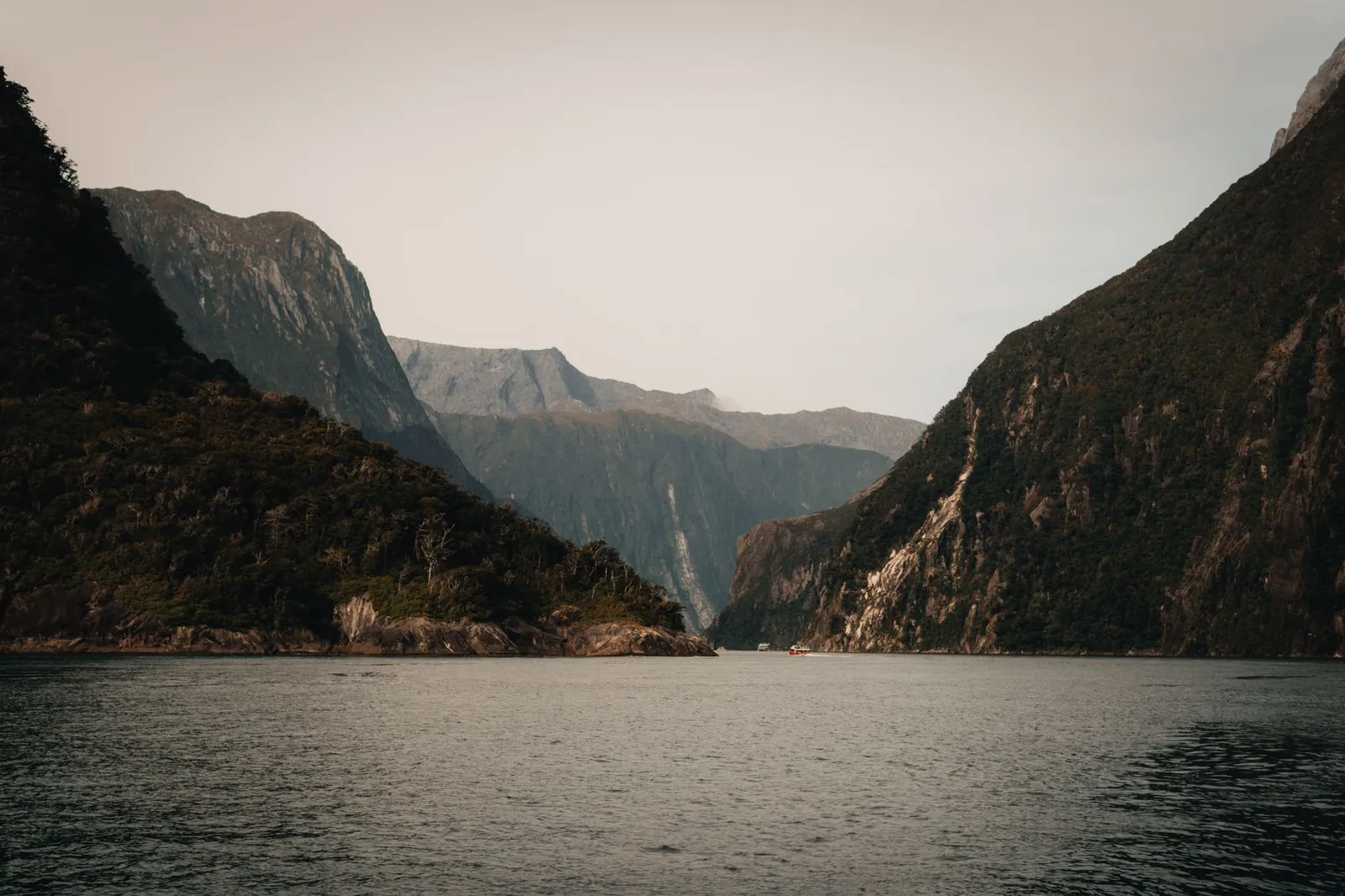
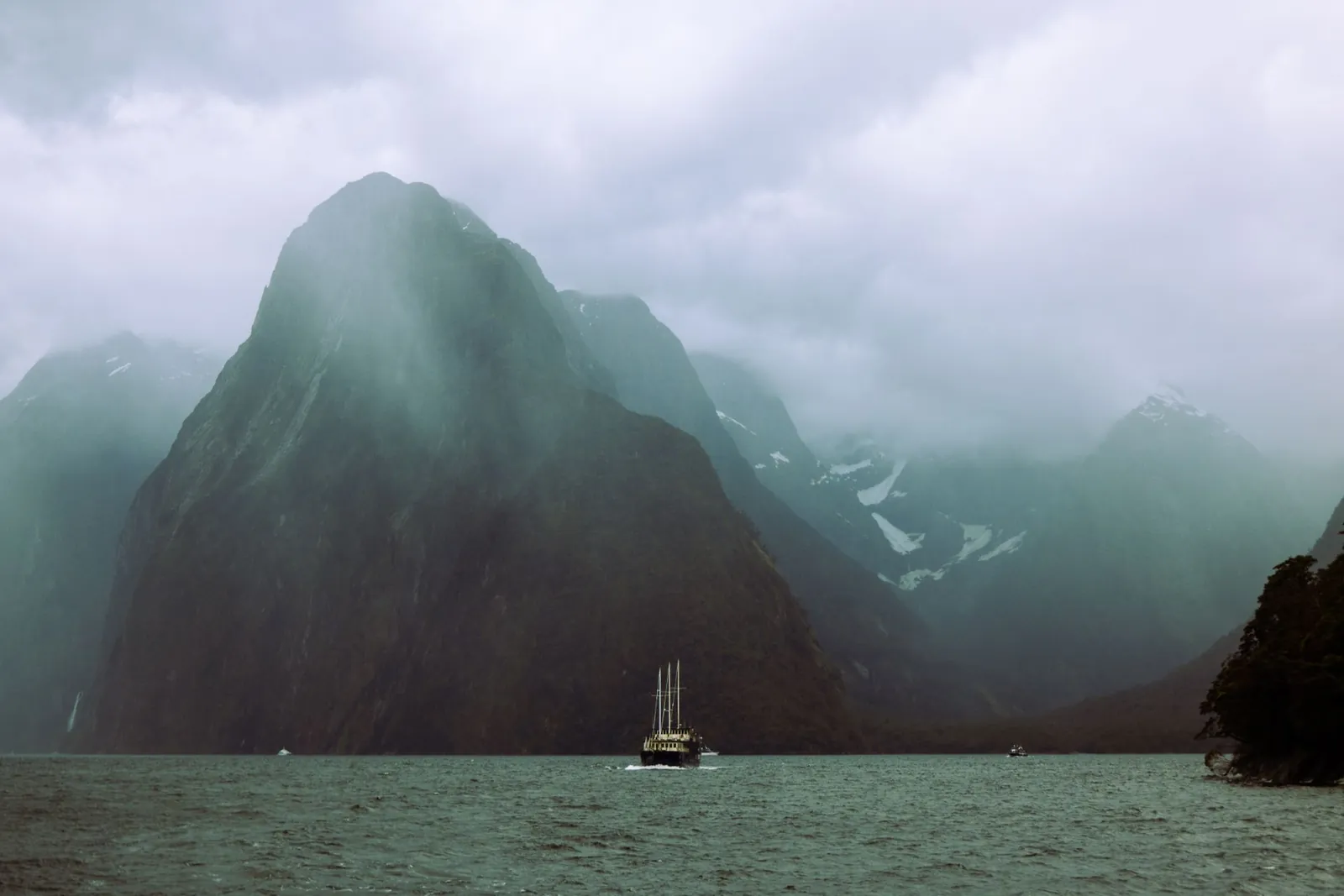
Milford Sound is two hours from Queenstown. The drive through the Homer Tunnel is the kind of thing that makes passengers put their phones down. The boat tour is sometimes crowded and almost always damp—Milford receives rain on 200-plus days a year. That’s not a deterrent; waterfalls run harder in the rain. But it does mean the view from the road occasionally outperforms the view from the water.
Book the 7 or 8 a.m. cruise to avoid tour buses that arrive mid-morning. Stay overnight in Te Anau rather than driving back to Queenstown—it’s an hour closer to Milford, and motels run $80–$150/night versus Queenstown’s $130–$220. Day four works well for the Key Summit Track (4–5 hours, moderate, $15 conservation entry) if weather holds, or the Milford Track viewpoint walk (free, 20 minutes from the car park) if it doesn’t.
Skip the Milford Sound boat if rain is forecast and you have flexibility; the view from the road is often better than from the water.
Days 5–6: West Coast and Glacier Country
Drive west from Te Anau to Haast (3 hours), then north along State Highway 6 toward Franz Josef (another 2.5 hours). Stop at the Thunder Creek Falls walk—20 minutes, free, and worth it. The road through Haast Pass is one of the few places where rainforest, braided rivers, and snow-capped peaks appear in the same frame without driving anywhere.
Franz Josef and Fox Glacier sit 20 km apart and share the same basic economy: small, expensive, and built around one activity. Basic motel accommodation runs $90–$180/night. A guided glacier walk costs $80–$120 and takes three hours; it’s the right call if you want to get onto the ice. Helicopter tours ($300–$500 per person) are spectacular and not necessary—this is a trade-off that depends entirely on your budget, not on what you’ll regret.
Day six: if you’ve done the glacier, drive the Lake Matheson loop (1.5 hours, free) in the morning for the Mount Cook reflection, eat whitebait if it’s September–November, and keep moving north or back east. One full day is enough here. The towns themselves don’t reward lingering.
Days 7–8: Lake Pukaki and Mount Cook
The drive from Franz Josef back through Haast and east to Lake Pukaki takes six hours. Break it in Wanaka—four hours from Franz Josef—a lake town that’s noticeably quieter than Queenstown, with good cafés and no particular reason to rush through. One night there is a reasonable call if you need a slower day; it’s not worth two nights unless you’re hiking Roys Peak (5–6 hours, 1,200 m elevation gain, free).
Lake Pukaki’s turquoise color is the result of glacial flour suspended in the water, and the viewpoint layby on SH8 is free and takes ten minutes. Stay in Pukaki township ($80–$120/night) rather than Mount Cook Village, which charges $150–$250/night for basic lodging and $20–$30 for a flat white. Drive the 45 minutes up to the village for hiking and come back down to sleep.
The Hooker Valley Track (10 km, 3 hours, easy to moderate) is the most popular walk and earns the reputation. The Mueller Lake Track (5 km, 2 hours) sees fewer people and is better in the afternoon light. Both are free.
Days 9–10: Central Otago and Arrowtown
Lake Tekapo is 1.5 hours from Pukaki. The Church of the Good Shepherd is free and photogenic; it’s also surrounded by people with tripods by 9 a.m. If you have a clear night, the Dark Sky Project stargazing tour ($60–$100) is genuinely good—Tekapo sits inside one of the world’s few certified dark-sky reserves. If the sky is clouded over, drive straight to Arrowtown (another 2 hours south).
Arrowtown is walkable, has character, and costs less than Queenstown ($100–$160/night). The 30-minute autumn color loop through the Chinese settlement is free and best in March–May. Eat at Patagonia Chocolates or grab a burger at the pub. This is the right place to slow down after a week of driving.
Days 11–12: Glenorchy and Queenstown
From Arrowtown it’s 25 minutes back to Queenstown, with a worthwhile detour to Glenorchy (45 minutes further). The road hugs Lake Wakatipu the whole way and is free. Jet-boat tours from Glenorchy run $100–$150 and are fun; they’re also skippable if you’ve already spent on activities.
Use the final days in Queenstown to catch anything you missed—or don’t. Rātā, Botswana Butchery, and Kappa Hama (ramen, $18–$24) are worth a meal. The walk around Lake Wakatipu from town is free and underrated. This is not the itinerary for people who want to bungee jump and bar-hop; Queenstown does that, but this loop is built around landscape, not adrenaline.
Budget Breakdown for Two People, 12 Days
| Category | Estimated Cost | Notes |
|---|---|---|
| Car rental (12 days) | $720–$1,200 | Economy to SUV; fuel extra |
| Fuel | $250–$350 | ~1,200 km at $2.20/liter |
| Accommodation (11 nights) | $880–$1,760 | $80–$160/night average motel |
| Food (self-catering + eating out) | $600–$900 | Groceries + 6–8 restaurant meals |
| Activities (Milford, glacier, walks) | $300–$600 | Most walks free; paid tours optional |
| Total per person | $1,450–$2,455 | Excluding flights |
Our verdict
Do 10–12 days if you can. Seven or eight days means spending more time driving than stopping, and the stops are the point. Milford Sound and the glaciers get the headlines, but the drive itself—Haast Pass, the West Coast highway, the road into Glenorchy—is what people remember longest. Stay in smaller towns (Te Anau, Wanaka, Arrowtown) when you can; they’re cheaper, quieter, and more memorable than another night in Queenstown.
Practical tips that actually matter
Driving and roads
Roads are well-maintained but narrow in places, and passing on one-lane bridges requires patience. Drive on the left. Highways are 100 km/h; towns are 50 km/h. A standard economy car handles the main loop fine; an SUV is worth the extra $25/day if you plan to take any gravel side roads. Fill fuel whenever you’re in a town of reasonable size—stations disappear between Haast and the glacier towns. In winter (June–August), Haast Pass and the road to Mount Cook can close after heavy snow; check NZTA’s journey planner before you drive.
When to go
November–March is warmest, averaging 15–20°C in lowland areas. December–January is peak season: accommodation books out and costs 20–40% more. March–May brings autumn color in Arrowtown and noticeably thinner crowds. September–October is the sweet spot for anyone who can travel in shoulder season—weather is improving, prices are lower, and you won’t queue for the Hooker Valley Track car park.
Booking and flexibility
In peak season, book accommodation 3–4 weeks ahead. Shoulder months: one week is usually enough. Milford Sound cruises can be booked same-day in low season but sell out by 9 a.m. in December–January; early-departure slots go first. Glacier hikes can typically be booked the day before. Rent the car in Queenstown—rates in smaller towns run 15–25% higher.
Frequently asked questions
How many days do I really need?
Ten days minimum to avoid feeling rushed. Twelve lets you take one rest day and explore towns at a reasonable pace. Fourteen is worth it if you want to add a multi-day hike—the Milford Track requires four days and advance booking through the Department of Conservation ($70–$175 per night in huts, depending on season).
Should I do a guided tour instead of driving myself?
Self-driving costs less ($1,450–$2,500 per person) and lets you stop when something catches your eye. Guided tours run $2,500–$4,500 per person and handle every booking. Self-drive suits people who want flexibility and don’t mind navigating on the left. Guided tours suit travelers who find logistics stressful or are visiting for a single week with no buffer time.
Is Milford Sound worth the hype?
The fjord is genuinely impressive. The boat tour is crowded and wet, and the drive in is often the better experience. Go if fjords and waterfalls are the reason you came; consider skipping the cruise (not the drive) if weather is poor and you’re short on days. The road viewpoint is free and takes 15 minutes.
Do I need to do the glacier hike?
No. The West Coast drive is worth doing regardless. A glacier hike ($80–$120) makes sense if you want to walk on ice and have the budget. If you don’t, Lake Matheson and the drive north are enough to justify the detour. Helicopter tours are spectacular; they’re also the first thing to cut if you’re watching costs.
Can I do this in winter?
Yes, with two caveats: daylight runs to about 8 hours in June–July, which compresses your driving days, and mountain passes can close for 12–48 hours after heavy snow. Accommodation is 20–30% cheaper and significantly less crowded. Winter suits experienced drivers or anyone with enough schedule flexibility to wait out a closure. Check NZTA’s highway conditions page every morning before you drive.

Tomas is a former airline route planner who now writes about fares, airports and getting there without the drama.