This article may contain affiliate links. If you buy through them we may earn a commission at no extra cost to you.
The Ring Road (Route 1) is the backbone of any Iceland road trip: roughly 900 miles, completable in 10 days with 4–5 hours of driving most days, starting and ending in Reykjavik. Budget $2,500–$4,500 per person for fuel, accommodation, and food. The core trade-off is speed versus depth—and winter driving is a different trip entirely.
The Classic 10-Day Ring Road Loop
We’ve driven this route twice—once in July, once in late September—and 10 days is the sweet spot. You cover all major regions without the itinerary feeling like a checklist.
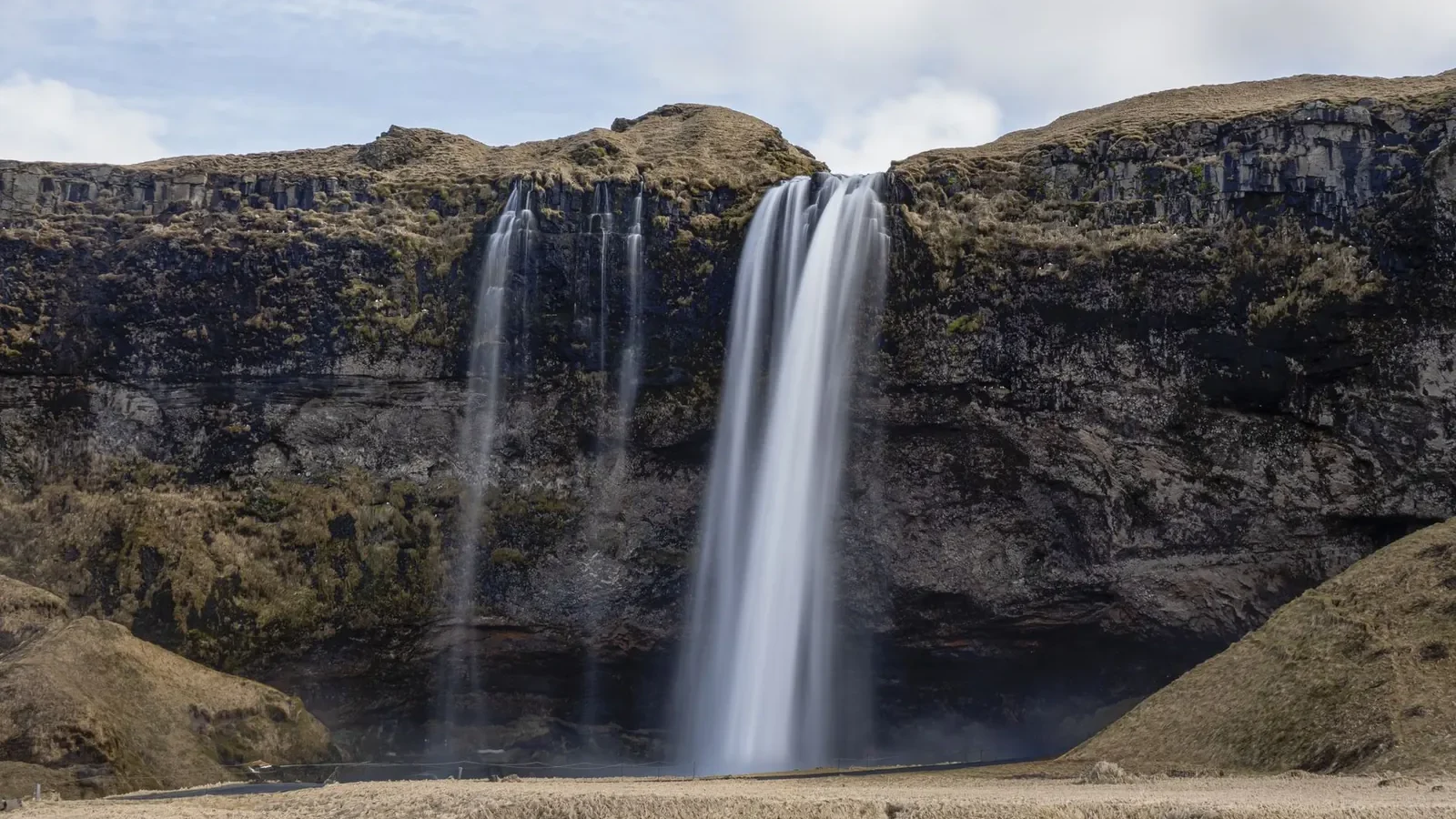
- Days 1–2: South Coast — Seljalandsfoss, Skógafoss, Skaftafell
- Days 3–4: Southeast — Jökulsárlón glacier lagoon, Höfn
- Days 5–6: East Fjords — Egilsstaðir area
- Days 7–8: North — Akureyri, Mývatn geothermal area
- Day 9: West — Snæfellsnes Peninsula or straight back toward Reykjavik
- Day 10: Reykjavik buffer and departure
With 7 days, drop the East Fjords and Snæfellsnes. With 12 or more, add both and slow down in the north. The East Fjords in particular reward an extra half-day—the drive between Djúpivogur and Egilsstaðir is the most scenic stretch most people skip.
Realistic Driving Days by Season
Summer (June–August)
Roads are dry and fully open. With 18-plus hours of daylight, a 4–5 hour drive still leaves most of the day for hiking. Main roads are paved; gravel sections exist but are manageable in a standard car. This is the easiest season to drive, and the most crowded.
Shoulder Season (April–May, September–October)
Expect 12–14 hours of daylight and occasional weather delays. Some mountain passes close; stick to Route 1 and main numbered routes. We budget 3–4 driving hours per day and add one extra day to the overall trip. September is our preferred month—summer crowds have cleared, roads are still open, and prices drop 15–20%.
Winter (November–March)
Only 4–5 hours of daylight, icy roads, and frequent road closures. Safe daily driving shrinks to 2–3 hours, which turns a 10-day trip into 12–14 days. We don’t recommend this for first-time Iceland drivers. The payoff—Northern Lights and 20–30% lower prices—is real, but so is the risk of being stranded when a coastal road closes overnight.
The difference between a rushed Iceland trip and a good one is often just one extra day—it lets you choose between two hikes instead of driving past them.
Budget Breakdown
For two people, 10 days, mid-range:
- Fuel: $400–$550 (based on $1.50–$1.80/liter; varies with car size)
- Car rental: $600–$900 for a basic 4WD SUV in summer; $1,000–$1,400 in winter when 4WD is required
- Accommodation: $800–$1,400 (guesthouses at $60–$80/night; mid-range hotels at $100–$130)
- Food: $600–$900 (groceries for breakfasts and lunches; restaurant dinners run $20–$40 per person)
- Activities: $300–$500 (waterfall hikes are free; glacier tours and boat tours cost $40–$80 each)
Total per person: $2,500–$4,500. Campers who cook most meals cut that by 30–40%. Travelers staying in design hotels and eating out every meal reach $6,000 or more.
Fuel is the biggest variable after accommodation. Fill up in every town—some stretches between services run 60-plus miles. Always fill when the tank hits half.
Essential Stops vs. Nice-to-Haves
Don’t Skip (Golden Circle + South Coast)
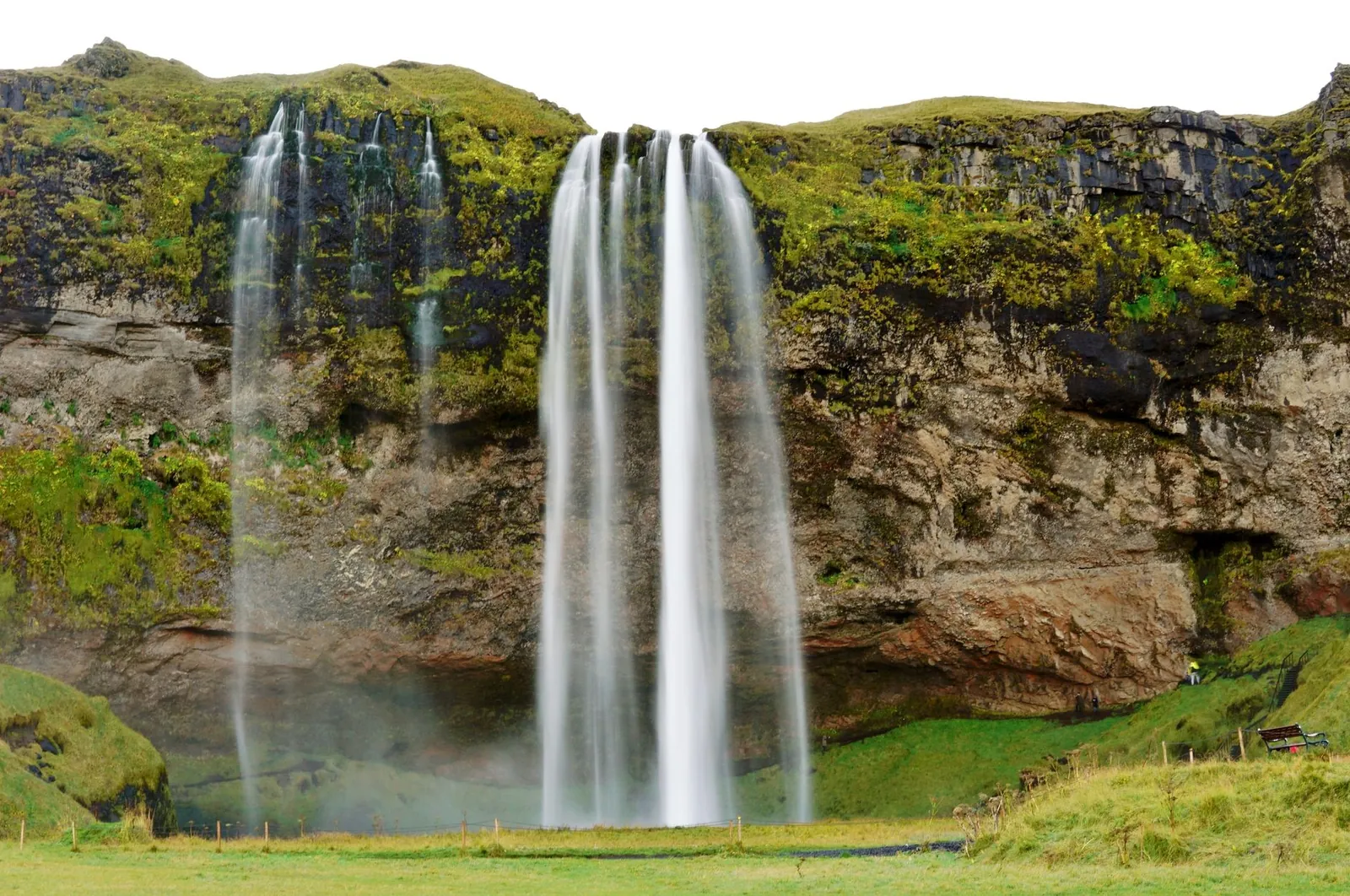
Þingvellir National Park (UNESCO site, the continental rift is visible on foot), Geysir, Gullfoss, Seljalandsfoss (you can walk behind the falls), Skógafoss, and Reynisfjara black sand beach. These are 1–2 days from Reykjavik and form the logical first leg of any loop.
Highly Recommended (East + North)
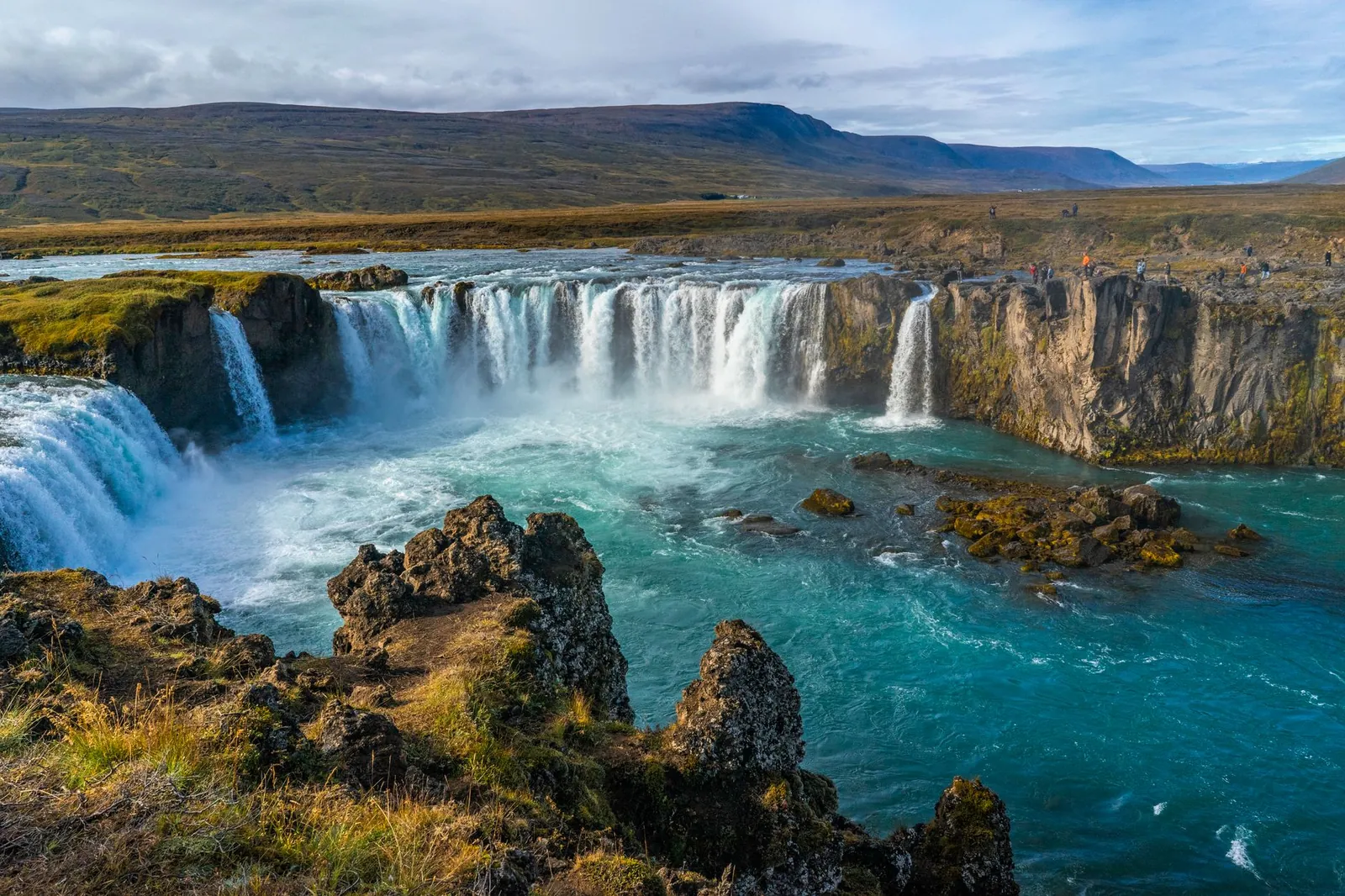
Jökulsárlón glacier lagoon with a boat tour ($60–$80; worth it—the lagoon looks completely different from the water), Mývatn geothermal area, Goðafoss waterfall, and Akureyri as a northern base. These justify 4–5 days of driving east and north.
Worth It With Extra Time
Snæfellsnes Peninsula adds a full day and delivers Kirkjufell mountain and dramatic coastal cliffs. The East Fjords add 1–2 days and offer the fewest other tourists of anywhere on the Ring Road. Landmannalaugar is summer-only and requires a high-clearance 4WD—plan a full day and book hut accommodation months ahead.
Skippable If Pressed
Dimmuborgir lava formations near Mývatn are interesting but not essential—you’ll see comparable lava landscapes elsewhere. Small fishing villages without a specific draw (a museum, a hot pot, a hike) tend to blur together by day six.
Where to Base Yourself
Small towns are cheaper and better-positioned than driving back to Reykjavik mid-trip.
| Region | Best Town Base | Typical Nightly Rate | Why |
|---|---|---|---|
| South Coast | Vík or Hvolsvöllur | $70–$100 | Central for waterfalls; Vík puts you steps from Reynisfjara |
| East | Höfn or Egilsstaðir | $70–$110 | Höfn is closest to Jökulsárlón; Egilsstaðir has more services |
| North | Akureyri or Mývatn area | $80–$120 | Akureyri has restaurants and shops; Mývatn is smaller but geothermal |
| West | Borgarnes or Stykkishólmur | $75–$110 | Borgarnes is an easy last night before Reykjavik; Stykkishólmur sits on Snæfellsnes |
Book 2–4 weeks ahead in summer; shoulder season is more flexible. Don’t leave the next night’s accommodation unbooked when driving long distances—weather delays are common enough that arriving after check-in cutoff is a real scenario.
What to Pack and Prepare
Thermal base layer, fleece, waterproof jacket and pants—all three, every day. Sturdy hiking boots get used constantly. UV is intense even at 50°F, so pack sunscreen. Rent a car with winter tires October through April; summer tires are fine June through September on paved roads but take a beating on gravel.
Get an International Driving Permit before you leave—it takes about 15 minutes at most motor club offices. Read your rental insurance carefully: most policies exclude F-roads and gravel damage. We’ve seen repair bills exceed $1,500 from drivers who assumed basic coverage was comprehensive.
Download offline maps before you go. Cell coverage disappears in remote stretches, and Google Maps and Maps.me both work offline once the area is cached.
Frequently Asked Questions
Can I do Iceland in 5 days?
Yes, but you’d cover only the Golden Circle and South Coast. The East, North, and Snæfellsnes are out entirely. Five days works if you’re focused on Reykjavik plus a few major waterfalls; seven days is the true minimum for a loop that feels like a road trip rather than a sprint.
Do I need 4WD?
Not for the Ring Road in summer. A standard sedan handles paved routes June through August. October through April, 4WD is strongly recommended and some rental companies require it by contract. F-roads always require high-clearance 4WD, full stop. Budget $300–$500 extra for the upgrade.
What’s the best month to go?
September. Crowds drop sharply after August, roads are still open, and prices fall 15–20% from peak. Early October works too. June through August is warmest but most expensive and crowded. April and May are viable if you’re flexible about weather. November through March requires winter driving experience and a longer itinerary.
Should I book tours or hike independently?
Most major hikes—Seljalandsfoss, Skógafoss, Þingvellir—are free and easy to do solo. Glacier and ice cave tours ($60–$100) are worth booking; the terrain is genuinely dangerous without a guide. Jökulsárlón boat tours are essential—the lagoon reads as a flat blue sheet from shore and comes alive on the water. Book tours 1–2 days ahead online; same-day booking costs 10–15% more at the desk.
Is renting a campervan cheaper than hotels?
Campervan rental runs $1,200–$2,000 for 10 days—similar to a car—but you eliminate most accommodation costs. Campgrounds charge $15–$25/night. The trade-off is comfort: no hot showers most nights, and a small van becomes claustrophobic during a full-day rain. It works well for two budget-minded travelers; families of four usually find hotels worth the extra cost for the space alone.

Tomas is a former airline route planner who now writes about fares, airports and getting there without the drama.