This article may contain affiliate links. If you buy through them we may earn a commission at no extra cost to you.
Barcelona is manageable on foot, genuinely beautiful in ways the photos don’t oversell, and easy to do badly if you stick to the postcard circuit. Sagrada Família and Park Güell are worth every euro—but only if you book ahead. The neighborhoods, the food, and the waterfront are what keep people coming back.
Gaudí’s Architecture: What to Prioritize
Both major Gaudí sites require timed-entry tickets bought in advance. Showing up without one in summer means a 2–3 hour queue or a sold-out sign. Book online before you leave home.
Sagrada Família
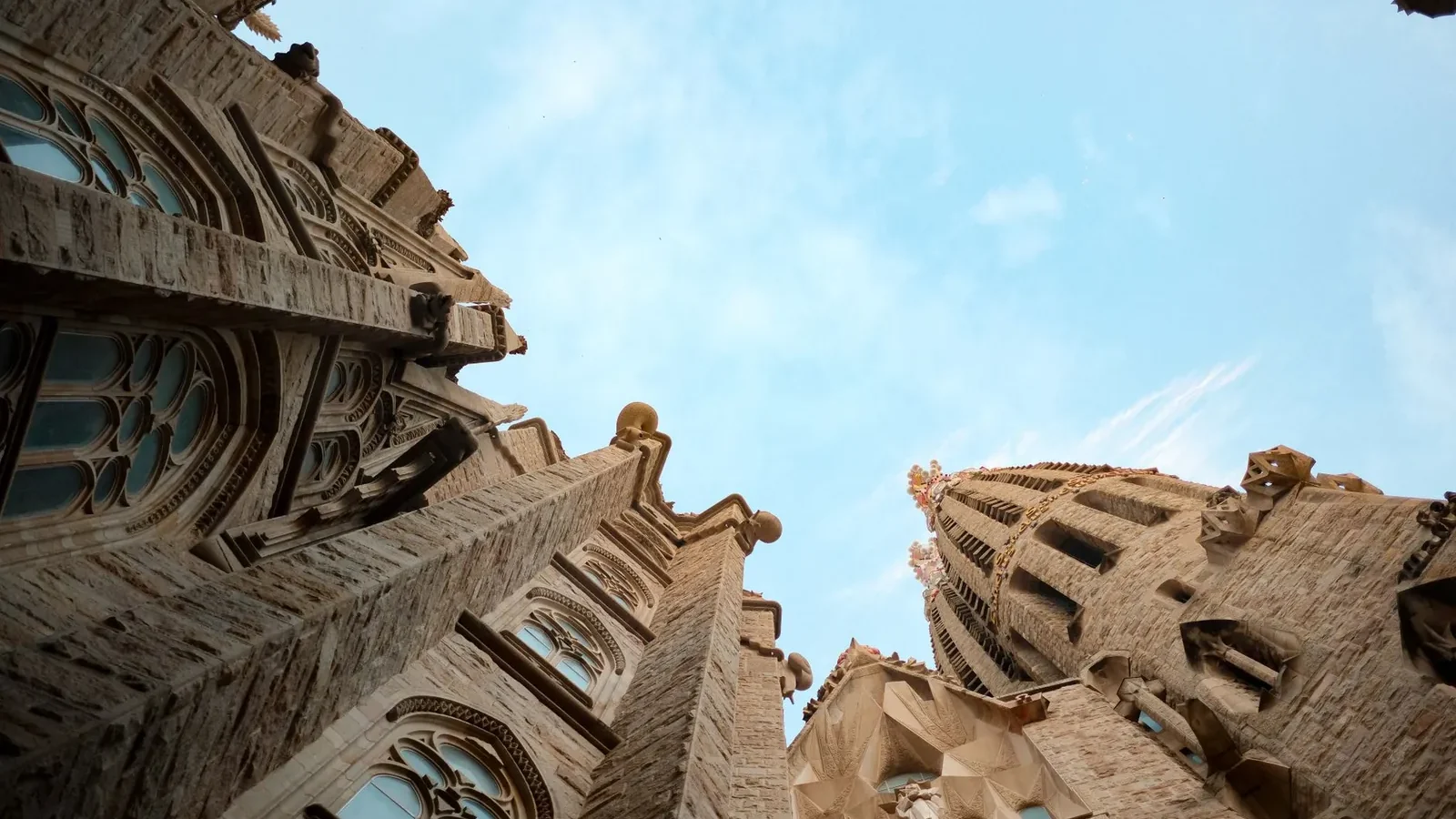
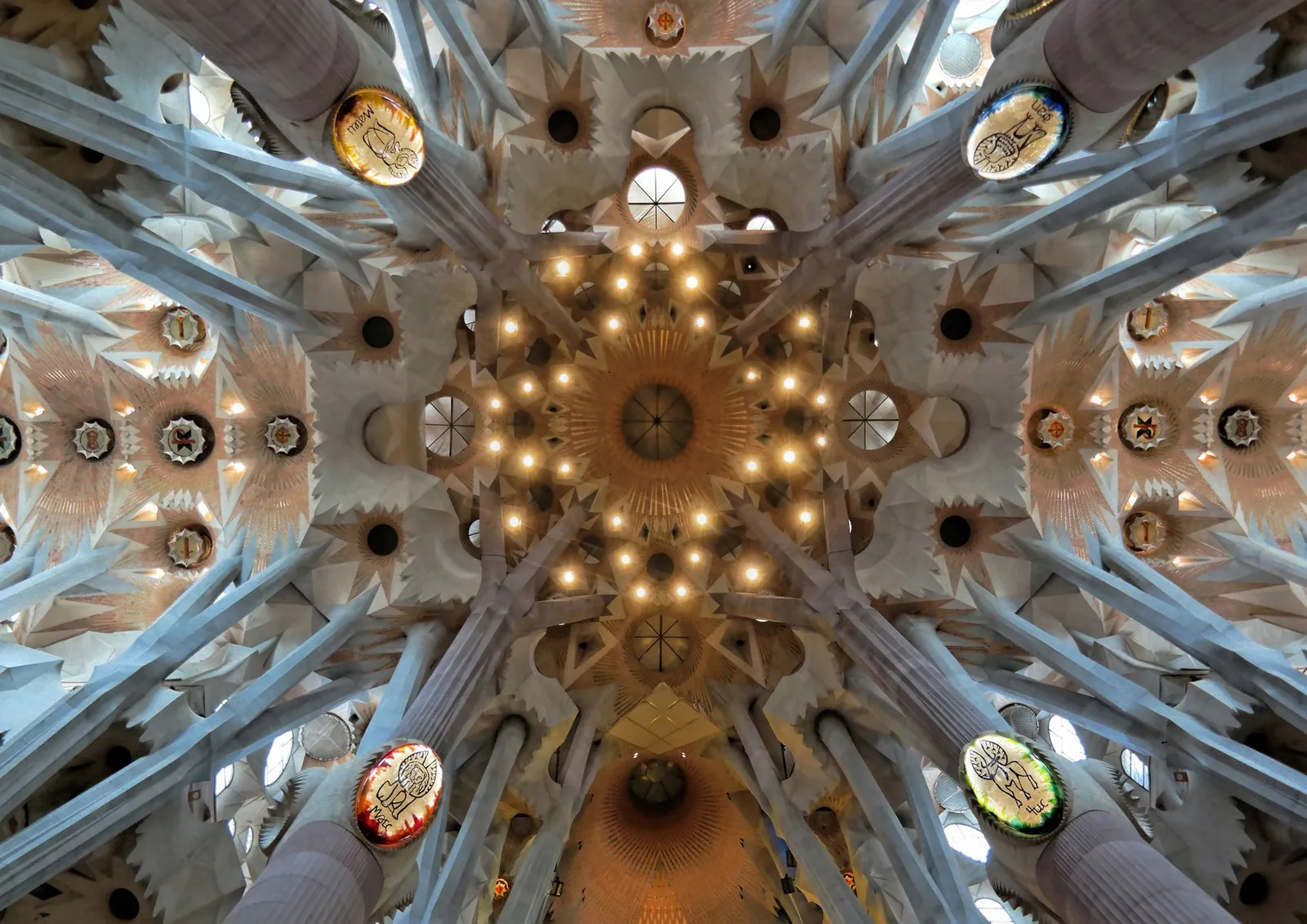
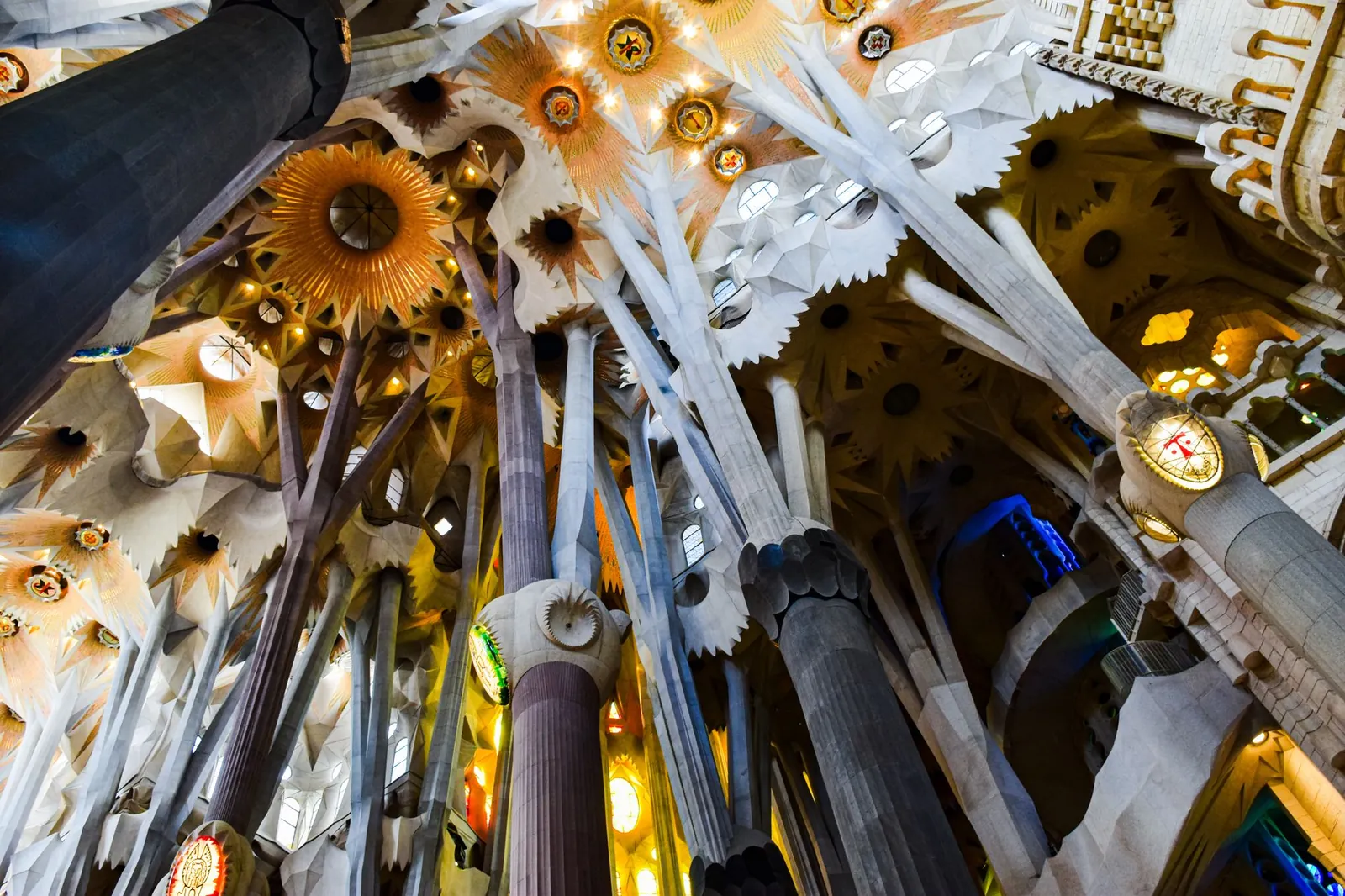
Gaudí took over the project in 1883 and worked on it until his death in 1926; construction continues today. The exterior is striking but unfinished-looking. The interior is the revelation: columns that branch like forest canopy, stained glass that shifts from cool blues in the morning to warm ambers in the afternoon. A standard ticket runs $25–30 USD. Add a guided audio tour ($15–20 extra) if you want the facade symbolism explained—it’s dense enough to reward it. We spend about 90 minutes inside. Skip it only if modernist religious architecture leaves you genuinely cold; the interior experience is unlike anything else in Europe.
Park Güell
Gaudí designed this as a garden city that was never fully built. What remains—mosaic-tiled terraces, gingerbread gatehouses, sweeping views across the city—works as both art installation and functioning park. Timed entry to the monumental zone costs $14–18 USD and takes 60–90 minutes. Most visitors photograph the main terrace and leave. The upper gardens are quieter, less crowded, and offer better views; don’t skip them. Arrive before 9 a.m. or after 5 p.m. to avoid the densest crowds. Not for you if steep, uneven terrain is a problem or if peak-hour crowds (which genuinely feel like a theme park queue) will ruin the experience.
Casa Batlló and Casa Milà
Both Gaudí residential buildings sit on Passeig de Gràcia, a 10-minute walk apart. Casa Batlló ($28–32 USD) has the more coherent interior; Casa Milà ($20–24 USD) has a rooftop of chimney stacks that look like armored soldiers. Neither is essential if you’ve already done Sagrada Família and Park Güell. If you have a fifth day and strong interest in modernist interiors, Casa Batlló edges ahead.
The Gothic Quarter and Old City
The Barri Gòtic is Barcelona’s medieval core—no entrance fee, no ticket queue, just narrow streets and plazas that open without warning. Start at the Barcelona Cathedral (free entry; $5 donation suggested) and work west toward the Royal Palace, then north into the tighter medieval streets. The neighborhood is best before 10 a.m. or after 6 p.m. Midday tour groups turn the narrowest streets into gridlock.
The main money trap: restaurants on Carrer de Montcada and the streets immediately around the Cathedral. They’re not inedible, but you’re paying 40–60% more for the address. Two blocks inland, prices drop sharply for equivalent quality.
Barcelona’s best neighborhoods aren’t on the postcard—they’re the ones where locals actually eat and drink.
Neighborhoods Worth Your Time
La Ribera and El Born
Directly east of the Gothic Quarter, La Ribera has the Picasso Museum ($12–15 USD; worth it for his early work, less so if you’re a Guernica-era devotee) and a working-class street life that hasn’t been fully smoothed out for tourists. El Born, technically part of La Ribera but noticeably more design-forward, is where Barcelona’s creative class actually eats dinner. Budget $15–25 USD per person at a proper sit-down restaurant here. The best bars in both areas are one street back from the obvious strips—Carrer de l’Argenteria over Carrer de Montcada.
Gràcia
Fifteen minutes north by metro, Gràcia feels like a separate small town: plazas where neighbors actually gather, independent shops, bars where regulars get greeted by name. Meals run $10–18 USD. The trade-off is real—fewer major sights and more walking to reach the metro—but it’s the neighborhood we point people toward when they ask how Barcelonans actually live.
Montjuïc
A hilltop with museums, gardens, and city views. The National Art Museum of Catalonia (MNAC) is excellent for Catalan Romanesque art ($12–15 USD). The Magic Fountain below is a free nightly light-and-water show; arrive 20 minutes early for decent standing room. We don’t spend more than a half-day here unless the museum is the point.
Beaches and Waterfront
Barceloneta Beach is closest to the center and the most crowded. Bogatell Beach, one metro stop further, is noticeably calmer and still perfectly swimmable. Beach bars at both charge $4–6 USD for a beer; lounger rental runs $8–12 USD per day. The Passeig Marítim promenade is pleasant for an evening walk, though it’s solidly tourist-facing. Walk north past the beaches toward the commercial docks and the crowds thin out fast.
Food and Drink: Where to Eat Without the Markup
The divide between tourist restaurants and neighborhood spots is sharper here than in most European cities. Avoid anywhere with a picture menu or staff posted outside to pull you in.
- Tapas bars: Order at the counter, not a table—it’s cheaper and faster. Four or five plates with wine or beer runs $12–18 USD per person. The tell for a good one: locals eating standing up at lunch.
- Vermouth bars: Vermouth on draft with anchovies, olives, or jamón is a Barcelona ritual, especially on Sunday mornings. Expect $3–5 USD per drink. Common throughout La Ribera and Gràcia.
- Sit-down restaurants: A proper three-course meal with wine at a neighborhood spot runs $18–35 USD. The same meal in a Gothic Quarter tourist restaurant costs $30–50 USD.
- Markets: La Boqueria is worth a walk-through for the spectacle, but eating there is overpriced and the stalls are increasingly geared toward tourists. Mercat de Sant Antoni—particularly Sunday mornings—is the more genuine alternative.
Practical Logistics
Getting Around
A T-Casual card (10 metro, bus, and tram journeys) costs about $12 USD and covers everything you need. We rarely take taxis. That said, many neighborhoods are 20–30 minutes apart on foot, and walking is how the city’s layout actually starts to make sense.
When to Go
May–June and September–October hit the sweet spot: warm enough to swim, not the 85–90°F heat of July–August, and meaningfully fewer crowds. January–February is the cheapest time to visit but expect gray skies and some closed beach bars. July–August is hot, packed, and the period when many locals leave the city entirely. Christmas week through early January is expensive and busy without much payoff.
Days Needed and Budget
Three days covers the major sights without feeling rushed. Four or five lets you explore neighborhoods without the sensation of checking boxes. A week is the right length if you want a day trip to Montserrat or the Costa Brava and afternoons that aren’t scheduled.
Daily spend depends almost entirely on accommodation and where you eat:
| Budget tier | Daily estimate (USD) | Assumes |
|---|---|---|
| Budget | $50–70 | Hostel dorm, street food and market lunches, free sights, metro card |
| Mid-range | $100–150 | Decent hotel, neighborhood restaurants, paid sights |
| Comfortable | $200+ | Good hotel, proper restaurants, no trade-offs |
Frequently asked questions
How many days do you need in Barcelona?
Three days covers Sagrada Família, Park Güell, and the Gothic Quarter without feeling rushed. Four or five days lets you explore neighborhoods properly and avoid the sensation of checking boxes. A week is ideal if you want to feel like you actually visited, not just toured.
Is Barcelona worth visiting if you’re not into Gaudí?
Yes. The Gothic Quarter, beaches, neighborhoods like Gràcia and La Ribera, and the food scene stand entirely on their own. You can skip Sagrada Família and Park Güell and still have a compelling visit—though most people who do skip them regret it once they see photos from inside.
What’s the best way to avoid tourist traps?
Eat where locals eat: look for bars with standing-room crowds at lunch, avoid restaurants with picture menus or staff outside, and spend time in neighborhoods beyond the Gothic Quarter and Passeig de Gràcia. A €15–20 meal in Gràcia or El Born will be better and cheaper than a €40 meal in the center. On Google Maps, weight Spanish-language reviews more heavily than English ones.
Do you need to book Sagrada Família and Park Güell in advance?
Yes. Both sell out regularly from May through September and on most weekends year-round. Book online at least a few days ahead—a week or more in peak season. Timed entry is mandatory at both; you cannot buy tickets at the gate. Sagrada Família books out faster, so prioritize it first.
Is Barcelona expensive compared to other European cities?
It’s mid-range. Cheaper than Paris, London, or Amsterdam; more expensive than Madrid, Lisbon, or Prague. Your actual spend depends heavily on where you eat—tourist restaurants are expensive, neighborhood spots are good value. A beer in a tourist bar costs $6–8 USD; in a neighborhood bar, $2–3 USD. That gap compounds quickly over a week.

Maya has spent twelve years writing about travel, from budget backpacking to family resorts, and still packs too many socks.