This article may contain affiliate links. If you buy through them we may earn a commission at no extra cost to you.
If you have one trip and genuine flexibility, go in October. Temperatures sit between 55–70°F (13–21°C), typhoon season has ended, foliage is building, and hotel rates run $100–150 per night versus $120–180 in spring. If cherry blossoms are the point, commit to early April and book by January. Every other answer depends on what you’re willing to trade.
Spring: Cherry Blossoms and Higher Prices
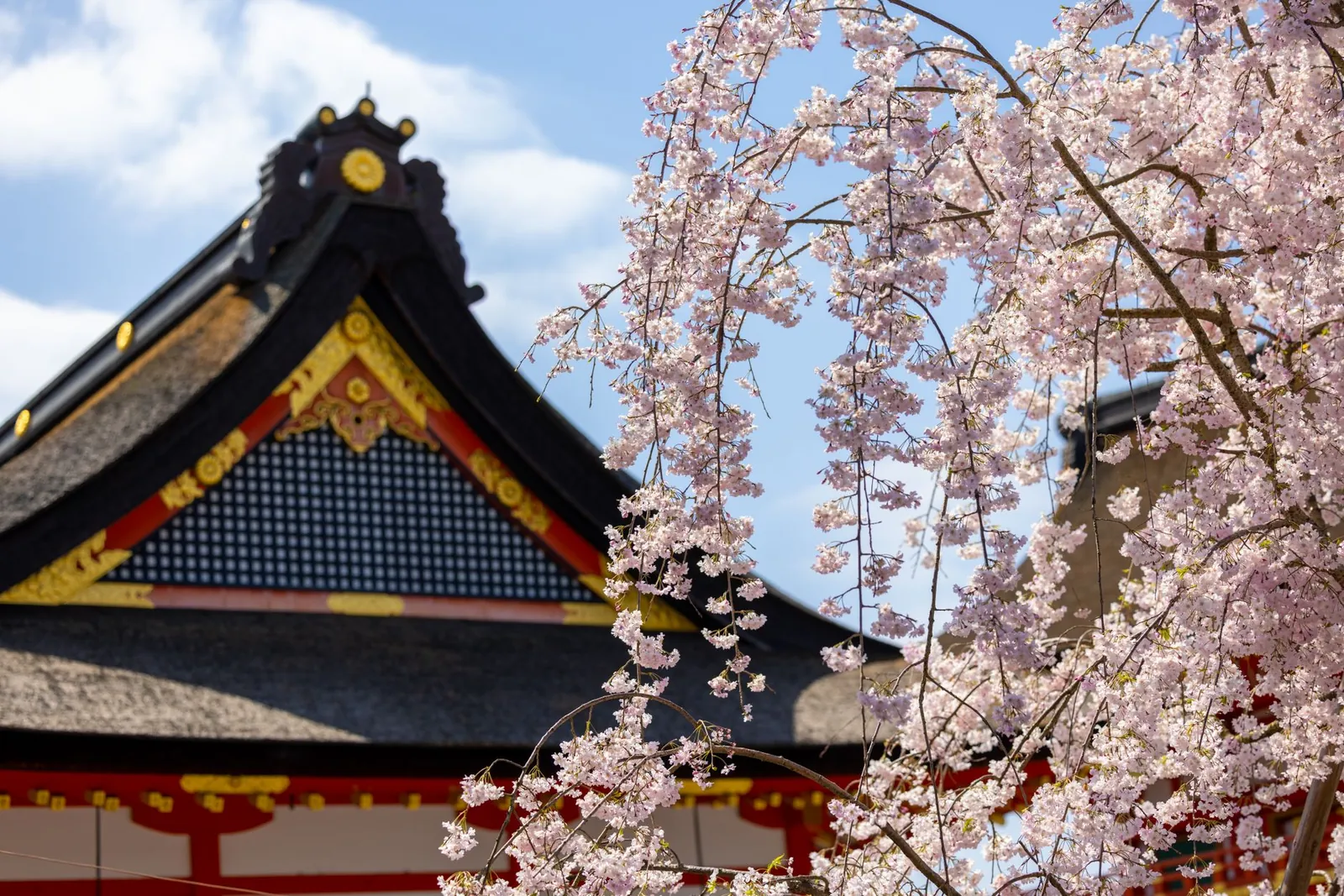
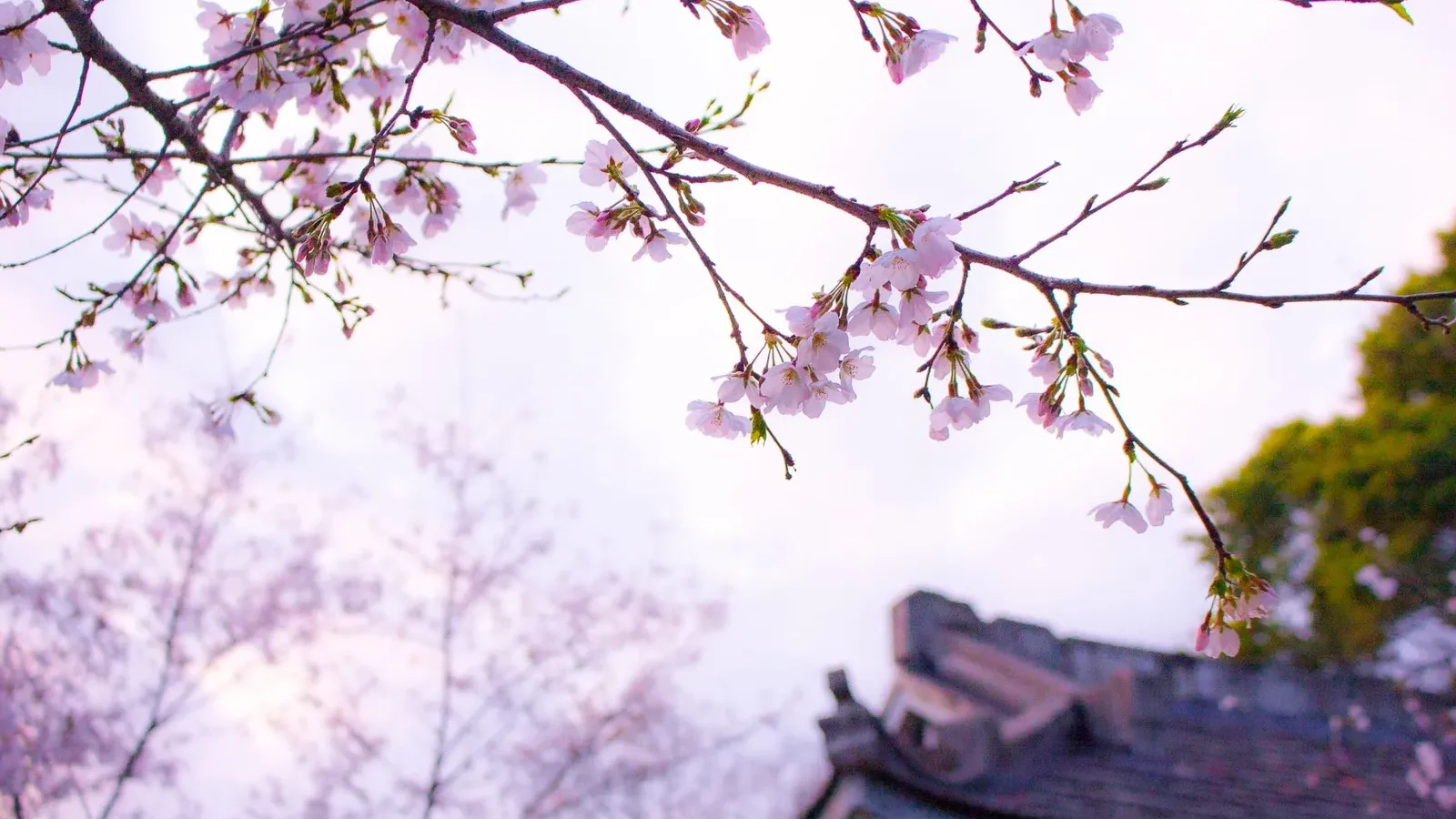
Late March through April brings mild temperatures (50–65°F / 10–18°C) and the bloom windows that fill every travel feed. We visited Tokyo during peak bloom in early April and waited 45 minutes to enter a popular temple garden; the same spot had no line in November. That gap is the season in a sentence.
What spring delivers
- Reliable bloom windows: Tokyo (late March to early April), Kyoto (early to mid-April), Hokkaido (late April to early May).
- Comfortable walking weather—light layers handle most days.
- Sunset around 6:15 p.m. in early April, giving reasonable afternoon light.
What spring costs
Hotel rates run 30–50% above winter levels. A mid-range Tokyo hotel is $120–180 per night in spring versus $80–120 in January. Flights from the US typically land at $800–1,200 roundtrip during peak weeks (roughly March 25–April 10). Some popular attractions add seasonal surcharges on top of standard admission.
Who spring is not for
Travelers on a tight budget, anyone who finds dense crowds exhausting, or people with fixed dates that might miss peak bloom entirely. Rain is a real factor: we had three wet days during a 10-day spring trip, which cut outdoor time significantly. Late March is more rain-prone than mid-April.
Summer: Heat, Humidity, and Bargains
June through August is the season most guidebooks warn you away from, and the warnings are fair. Temperatures reach 75–88°F (24–31°C) with humidity that makes a full day of walking genuinely unpleasant. The rainy season (tsuyu) runs mid-June through early July. Typhoons are possible August through September. We attempted a full day of temple visits in Kyoto in late July and managed three major sites before heat exhaustion ended the plan.
Summer’s actual advantages
- Mid-range hotels drop to $60–100 per night in major cities—the lowest rates of the year.
- Fewer international tourists. Peak summer sees Japanese families traveling domestically; the overseas visitor count is lower than spring or autumn.
- Mountain trails are snow-free and noticeably cooler than cities.
- Festival season runs almost daily somewhere—matsuri are a legitimate draw if that’s your interest.
Summer is the right call for budget travelers, hikers, and festival enthusiasts who tolerate heat. Families with school-year schedules often have no choice. It is not for anyone expecting comfortable urban sightseeing or full days on foot in historic districts.
Autumn: Stable Weather and Fewer Crowds Than Spring
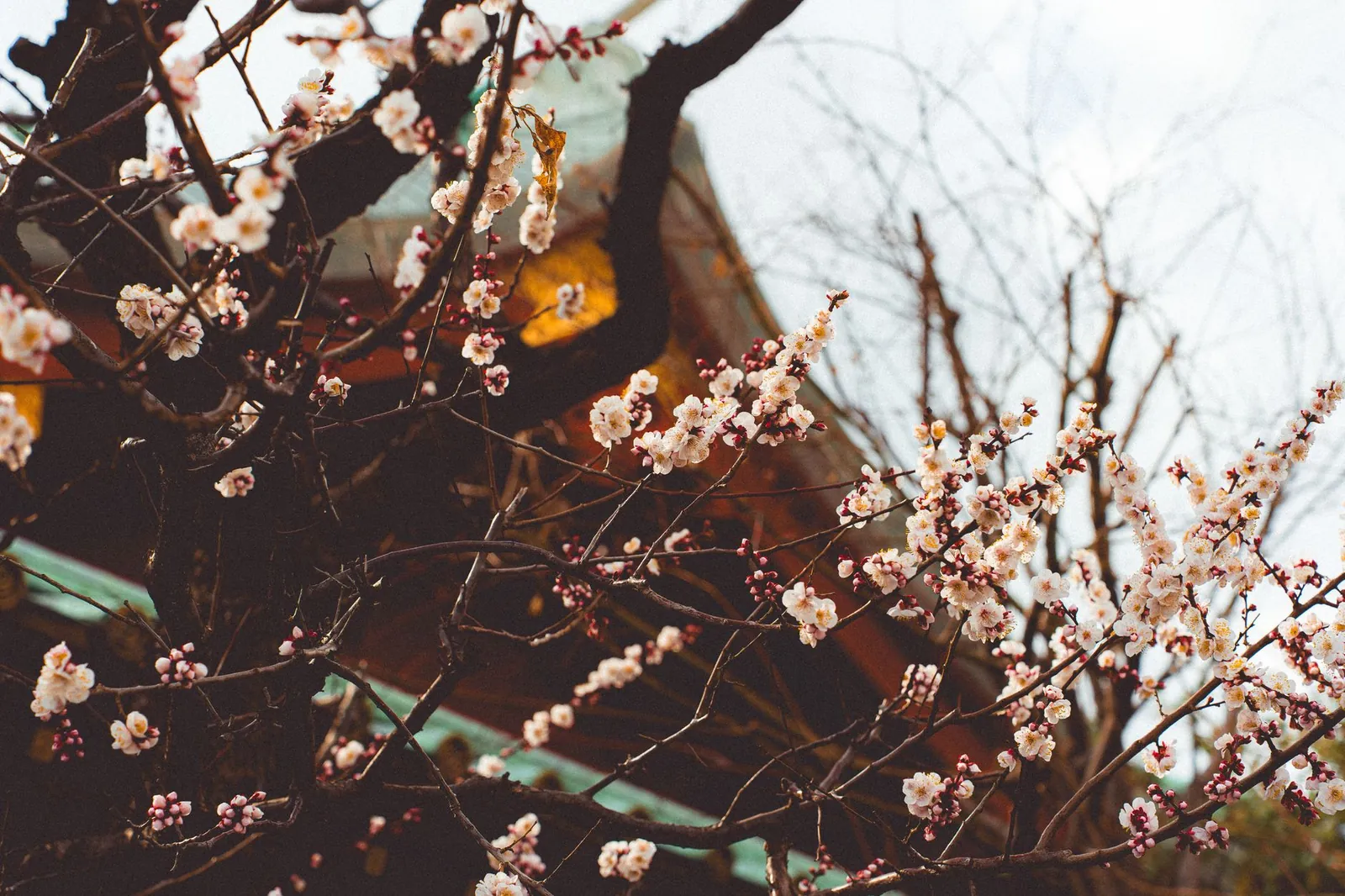
October and November offer the most forgiving conditions of the year. The air is dry, temperatures are comfortable all day, and typhoon season is over by mid-October. Fall foliage (kouyou) peaks mid-November in most regions. Hotel rates sit at $100–150 per night—15–25% below spring—and flights are easier to find under $1,000 roundtrip from the US.
Autumn specifics
- October is the practical sweet spot: warm days, cool mornings, low rain risk, moderate crowds.
- November brings dramatic foliage but also the start of winter-season price increases—book early if you’re targeting late November.
- Daylight shrinks fast: sunset is around 4:45 p.m. by late November, so plan indoor activities for late afternoon.
Autumn’s trade-offs
Foliage doesn’t peak everywhere at once. Japanese tourism boards publish forecasts in September, but they’re estimates—we’ve seen peak colors arrive 1–2 weeks off the prediction. If hitting peak foliage is the priority, build buffer days into your itinerary. Autumn also lacks the singular visual hook of cherry blossoms, which is partly why crowds stay manageable: fewer people are planning around a specific event.
Winter: Solitude and Snow in Limited Areas
December through February is dry and cold (30–50°F / −1 to 10°C), with the clearest skies of the year. Tokyo gets snow flurries once or twice a season at most. Hokkaido and mountain areas like Nagano receive heavy snow and run ski resorts from November through March. Outside of the late-December holiday week and early January, this is the quietest and cheapest time to visit.
Winter advantages
- Hotels: $60–100 per night in major cities, sometimes lower in January.
- Flights from the US frequently dip to $700–900 roundtrip in January and February.
- Crystal-clear air means sharp views of distant mountains—Fuji is most reliably visible in winter.
- Short lines at major attractions and easy restaurant reservations, even at popular spots.
Winter drawbacks
Days are short—sunset around 4:30 p.m. in December. Older ryokan and temple buildings can be inadequately heated. If skiing and winter festivals aren’t on the itinerary, the season offers less visual payoff than spring or autumn. Families visiting during the late-December holiday window should know that prices spike for those specific weeks and revert sharply after January 3.
Comparing Seasons at a Glance
| Season | Dates | Temperature | Crowds | Hotel Price Range | Best For |
|---|---|---|---|---|---|
| Spring | Late Mar–Apr | 50–65°F | Very High | $120–180 | Cherry blossoms, mild weather |
| Summer | Jun–Aug | 75–88°F | Moderate | $60–100 | Budget travelers, hiking, festivals |
| Autumn | Oct–Nov | 55–70°F | Moderate | $100–150 | Fall foliage, walkable weather |
| Winter | Dec–Feb | 30–50°F | Low | $60–100 | Budget, skiing, clear skies |
Our verdict
First-time visitor with flexibility: book October. Cherry blossoms non-negotiable: commit to early April and have accommodations locked by January. Budget the priority: aim for January or July–August, accepting the trade-offs each brings. Fewest tourists: December or February, avoiding the holiday spike around Christmas and New Year.
The best time to visit Japan is when your priorities—weather, cost, crowds, scenery—align, not when everyone else goes.
Practical Planning Tips
Booking windows matter
For spring, lock in flights 2–3 months out and accommodations 1–2 months ahead. Peak dates—March 25 through April 10, and late December through early January—need earlier action than that. For summer, autumn, and non-holiday winter, 6–8 weeks is usually enough lead time.
Regional variation
Japan runs roughly 1,500 miles north to south, so season timing shifts considerably by region. Hokkaido’s cherry blossoms peak in late April or early May while Kyoto’s are already fading. Mountain areas stay cooler in summer and receive snow weeks before cities. On a multi-city itinerary, check regional forecasts rather than assuming national averages apply.
Transportation passes
The Japan Rail Pass can save money on intercity travel, but the math depends entirely on your route. Read our full breakdown of whether a Japan Rail Pass is worth the cost before committing to a specific itinerary.
Frequently asked questions
Can you see cherry blossoms outside of April?
Yes. Early blossoms appear in late March in southern regions like Okinawa and Kyushu. Late blossoms peak in late April and early May in Hokkaido and mountain areas. The peak bloom window for Tokyo and Kyoto—the most visited regions—is late March to early April. Dates shift 1–2 weeks year to year depending on winter temperatures.
Is typhoon season a dealbreaker?
Typhoons occur primarily August through September but don’t shut down the country. Major cities typically see minimal disruption; trains and attractions continue operating. Typhoons do cause flight delays and cancel outdoor activities. Avoiding late August and September reduces risk if your dates are flexible. Travel insurance covering weather delays is worth adding either way.
What’s the best season for photography?
Winter offers the clearest air and sharpest light for landscape and mountain work. Autumn provides dramatic foliage with good midday light. Spring is visually rich but crowds complicate composition and spring haze can flatten distant shots. Summer humidity reduces visibility noticeably. For most photography priorities, October or December–January are the strongest choices.
Do prices vary significantly by season?
Hotels can cost 50–100% more during peak spring than in winter or summer. Flights vary by $200–400 depending on the season. Restaurants and attractions rarely adjust base prices seasonally, though popular spots may add surcharges during peak periods. Traveling in off-season months can realistically save $1,500–2,500 per person compared to a spring trip on the same itinerary.
Is there a worst time to visit Japan?
Mid-July through mid-August combines heat, humidity, and typhoon risk with few offsetting advantages unless summer festivals are the specific draw. Late March to early April is the worst window for anyone prioritizing budget or crowd avoidance. Late December to early January adds holiday surcharges that undercut winter’s usual price advantage.
Maya has spent twelve years writing about travel, from budget backpacking to family resorts, and still packs too many socks.