This article may contain affiliate links. If you buy through them we may earn a commission at no extra cost to you.
The Japan Rail Pass pays for itself on some itineraries and wastes $150–$200 on others. The deciding factor isn’t how long you’re in Japan—it’s how many long-distance trains you take and whether those routes run on JR tracks. Two Shinkansen round trips between Tokyo and Kyoto will break even on a 7-day pass. One won’t.
How much does a Japan Rail Pass actually cost?
A 7-day pass runs $280–$320 for a standard adult (prices shift slightly by seller). A 14-day pass is $385–$440. A 21-day pass hits $500–$570. First-class Green Car adds roughly 25% to each tier. You pay in USD when you buy the voucher, then exchange it for the physical pass at a JR office in Japan.
Children aged 6–11 pay half price. Under 6 rides free. Activate within 30 days of purchase, use it within 30 days of activation—no pausing, no skipping days.
What the pass actually covers
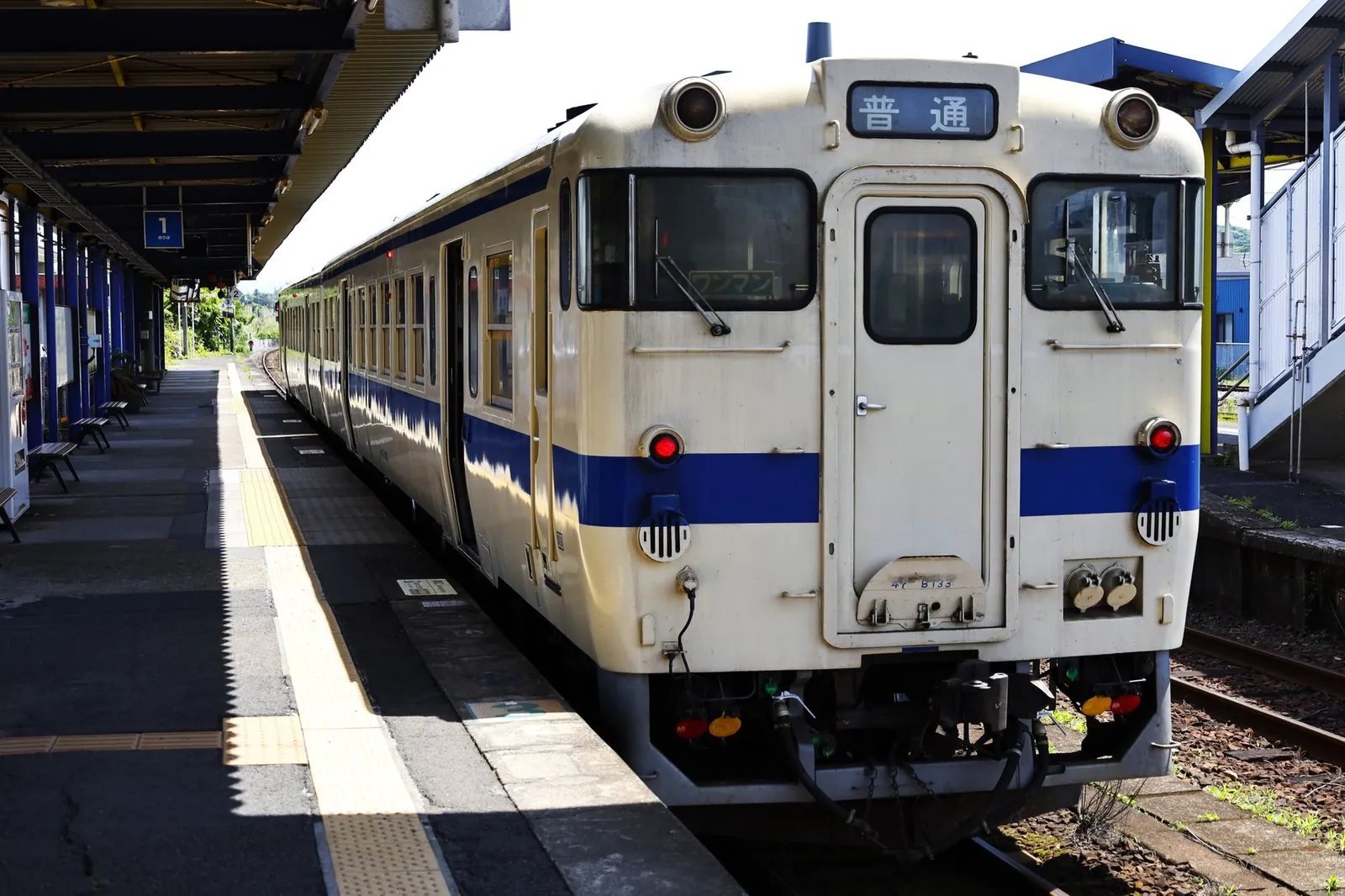
The JR Pass covers most trains run by Japan Railways Group: Shinkansen bullet trains between major cities, local and express JR trains nationwide, the JR loop line in Tokyo, and select JR buses and ferries. It does not cover Tokyo Metro, Osaka Metro, or private railways like Odakyu or Kintetsu. It also excludes the Nozomi—the fastest Tokaido Shinkansen service—which is a real inconvenience on the Tokyo–Kyoto–Osaka corridor.
A single Tokyo–Kyoto Shinkansen ticket costs $120–$140 one-way. A round trip is $240–$280, which already covers most of a 7-day pass before you’ve taken any other train.
The break-even math
When a JR Pass makes financial sense
- You’re taking two or more Shinkansen trips—Tokyo–Kyoto, Kyoto–Hiroshima, Tokyo–Sendai, or similar. Two round trips easily clear $400.
- You’re moving between cities over 7–10 days rather than staying in one base.
- Your route includes regional JR expresses: Tokyo to Nikko, Osaka to Koyasan, Hiroshima to Miyajima ferry.
- You’re traveling with kids. A family of four paying half price for two children’s passes changes the math significantly.
When a JR Pass is overkill
- Most of your time is in one city. Tokyo, Kyoto, and Osaka all run on subways and private lines the pass doesn’t touch—you’ll spend $8–$15 per day on IC card transit regardless.
- Your trip is 3–4 days with one Shinkansen ride. Buy the ticket separately and pocket $160.
- Your route stays in one region. Kansai-only trips are cheaper on a regional pass.
A JR Pass is not an all-access ticket to savings—it’s a tool for specific itineraries that happen to match JR’s network.
Sample itineraries: pass vs. point-to-point tickets
| Itinerary | JR Pass cost (7-day) | Point-to-point tickets | Winner |
|---|---|---|---|
| Tokyo → Kyoto → Osaka → Tokyo (round-trip) | $300 | $380–$420 | JR Pass saves $80–$120 |
| Tokyo → Hiroshima → Kyoto → Tokyo | $300 | $450–$500 | JR Pass saves $150–$200 |
| Tokyo (5 days) + 1 trip to Nikko | $300 | $50 (Nikko ticket) + IC card | Point-to-point saves $250+ |
| Osaka base + day trips to Kyoto, Kobe, Nara | $300 | $80–$120 in regional tickets | Point-to-point saves $180+ |
Regional passes: the overlooked alternative
JR sells regional passes that undercut the national pass on focused itineraries. A Kansai Wide Pass—covering Kyoto, Osaka, Kobe, and surrounding areas—costs $110–$130 for 3 days. A JR East Pass (Tokyo, Nikko, Kawaguchiko, Mt. Fuji area) runs $140–$160 for 7 days. A Hiroshima–Miyajima pass is $60–$80.
If your trip stays within one region, a regional pass almost always wins. The trade-off is flexibility: if you decide mid-trip to add a city outside the coverage zone, you’re buying separate tickets. Most regional passes must be purchased before you arrive in Japan, so commit to your route before you leave home.
Timing and what it actually affects
JR Pass prices don’t change by season—a 7-day pass is $300 year-round, exchange rates aside. What changes is the relative weight of that savings. In peak periods (late March–April cherry blossom season, July–August, late December), accommodation alone can run $200–$400 per night in popular cities. Against that backdrop, saving $100 on trains is a smaller share of your total spend. In shoulder season—May, or September through October—your overall costs are lower and train savings feel more meaningful.
Buy your voucher online before leaving home and allow 1–2 weeks for shipping. Exchanging it at a JR office in Japan takes 10–15 minutes. Buying in Japan costs more; don’t wait.
Who we’ve seen actually benefit
Families with young children save the most. A couple with two kids can easily spend $600–$700 on point-to-point Shinkansen tickets; four 7-day passes (two adult, two child) run roughly $1,050–$1,200, with no need to book individual seats in advance. Solo travelers on a 10-plus-day itinerary covering four or more cities also come out ahead, often by $150–$200.
We’ve also met travelers who bought a pass, took three Shinkansen rides, and could have saved $150 buying separately. Several of them said the convenience of not booking ahead was worth it. That’s a legitimate trade-off—just not a financial argument for the pass.
The pass is not for anyone spending most of their time in a single city, doing a short trip under five days, or routing through Kansai only.
Frequently asked questions
Can I use a JR Pass on subways in Tokyo or Osaka?
No. The JR Pass covers JR-operated trains only. Tokyo Metro, Osaka Metro, and most other urban subway systems are separate operators. You’ll need a Suica or Pasmo IC card for day-to-day city transit. Budget $8–$15 per day for urban travel on top of your pass cost.
Do I need to reserve seats on trains covered by the JR Pass?
For Shinkansen and major express trains, yes—but reservations are free and included with the pass. You can book up to 10 trips in advance at any JR office or ticket machine. Local JR trains don’t require reservations; you board unreserved cars freely. That flexibility is one genuine, practical advantage of holding the pass.
What if I only take one Shinkansen trip? Should I buy a pass?
No. A single Tokyo–Kyoto ticket is $120–$140. A 7-day pass is $300. You’d need at least two long-distance trips plus regular use of local JR lines to break even. If that’s not your itinerary, buy individual tickets.
Can I use a JR Pass for specific days, or does it have to be consecutive?
Consecutive only. You activate on a chosen date and it expires exactly 7, 14, or 21 days later—no pausing, no skipping. Pick your activation date around when you’ll actually be taking trains, not the day you arrive.
Is a 14-day pass worth it over two 7-day passes?
A 14-day pass costs $410–$440; two 7-day passes cost $560–$640. The single 14-day pass saves $150–$200—but only if you’re using trains across all 14 consecutive days. If you have a 4–5 day city stay in the middle where you won’t touch a JR train, buy two 7-day passes and skip the pass during your stationary stretch. You’ll still come out ahead.

Maya has spent twelve years writing about travel, from budget backpacking to family resorts, and still packs too many socks.