This article may contain affiliate links. If you buy through them we may earn a commission at no extra cost to you.
For most two-week international trips, you need at minimum $100,000 in emergency medical coverage and $250,000 in evacuation—those two lines in the policy matter more than everything else combined. We’ve read the fine print, tested claims processes, and priced real quotes. Here’s what separates useful coverage from filler.
What travel insurance actually does (and doesn’t)
Travel insurance bundles four things: emergency medical care abroad, trip cancellation reimbursement, baggage loss, and evacuation. Most plans run $50–$300 for a two-week trip, depending on your age and destination. The catch is in the exclusions—pre-existing conditions, high-risk activities, and claims filed after travel begins are routinely denied.
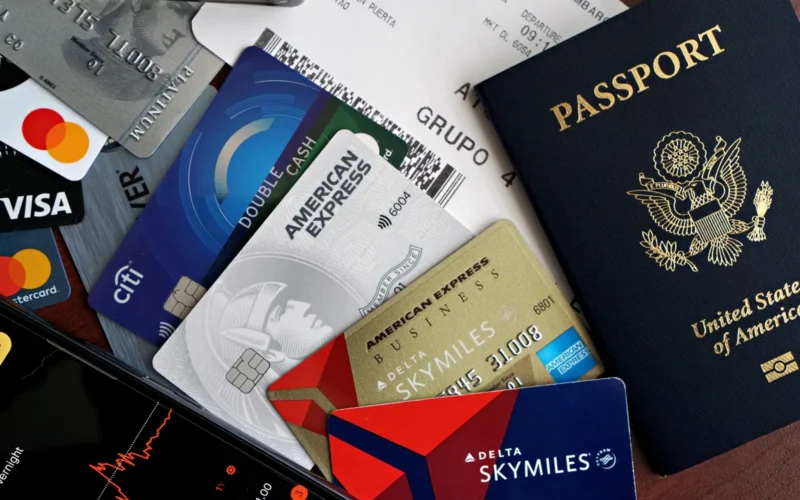
Before buying anything, check what you already have. Many premium credit cards cover baggage delays and lost luggage. Some employer health plans cover emergency care internationally. Travel insurance fills the gaps; it doesn’t replace what’s already there.
Read our full guide to what travel insurance actually covers for specifics on exclusions and claim timelines.

Medical and evacuation coverage: the non-negotiable part
US travel insurance typically covers $100,000–$500,000 in emergency medical expenses abroad. Evacuation coverage—helicopter rescue or medical transport home—runs $250,000–$1 million and is the line item that justifies the entire premium if you’re traveling anywhere remote.
Who needs this most
Anyone traveling to a country without a reciprocal healthcare agreement with their home country. Canadians visiting the UK are largely covered; US citizens in most of Europe are not. Age compounds the cost: travelers over 65 pay 50–200% more in medical premiums, and some insurers quietly cap coverage at $100,000 for older policyholders—worth confirming before you buy.
Real costs
A 30-year-old American pays $40–$80 for basic medical coverage ($100k limit) on a two-week Europe trip. A 70-year-old pays $200–$500 for equivalent coverage. Traveling with a pre-existing condition adds 20–40% to the premium, and some insurers exclude flare-ups entirely regardless of what you pay.
Trip cancellation: when it actually pays
Cancellation coverage reimburses prepaid, non-refundable costs if you cancel before departure for a covered reason—typically illness, injury, death of a family member, or documented job loss. Changing your mind, a bad weather forecast, or a visa denial don’t qualify under most standard plans.
The timing trap
Buy within 7–14 days of your initial trip deposit, or pre-existing conditions are automatically excluded. If you wait until a week before departure, that window is gone. The right time to buy is immediately after you’ve booked flights and hotels.
Payout limits
Cancellation coverage reimburses 80–100% of prepaid costs, capped at $5,000–$10,000 per person. A $15,000 vacation package cancelled mid-planning gets reimbursed only up to the plan limit. If you’re booking high-value trips, verify the cap before assuming you’re fully covered.
Baggage and delay coverage: the nice-to-have tier
Most plans include baggage coverage ($2,500–$5,000) and baggage delay reimbursement for essentials ($200–$500 while your bag catches up). These are rarely the reason to buy a plan.
Skip baggage coverage if your credit card already covers it; focus instead on medical and evacuation, which your card never will.
Amex Platinum and Chase Sapphire Reserve both cover lost luggage up to $2,500. If you carry either, buying travel insurance primarily for baggage protection is redundant. Use that premium budget on higher medical limits instead.
Plan comparison: the main contenders
| Plan | Medical coverage | Trip cancellation | Baggage | Price (2 weeks, age 30, Europe) | Best for |
|---|---|---|---|---|---|
| World Nomads | $500k | $6k | $3k | $65–$95 | Backpackers, adventure activities |
| IMG Global | $250k–$1m (customizable) | $5k–$10k | $2.5k | $75–$110 | Remote travel, high medical needs |
| Allianz OnePlan | $250k | $5k | $2.5k | $55–$85 | Budget travelers, shorter trips |
| AXA Schengen | €30k–€100k | €2k–€5k | €1.5k | $45–$70 | EU/Schengen visa holders |
| SafetyWing | $250k | None | $1.5k | $35–$50 | Budget travelers, no cancellation needs |
Our verdict
World Nomads and IMG Global lead on coverage breadth and claims speed—most claims resolve in 5–10 business days. Allianz OnePlan is the value pick for Europe if evacuation coverage isn’t a priority. AXA Schengen is the only practical option if you’re applying for a Schengen visa; it’s a visa requirement, and it’s priced accordingly. SafetyWing is transparent about being bare-bones—skip it if you’re over 40 or traveling to a country where a hospital stay runs $1,000+ per night.
Age, destination, and activity matter more than brand
The same plan costs 3–5x more for a 65-year-old than a 30-year-old. Destination affects price too: Thailand and Mexico cost more to insure than Western Europe because medical infrastructure varies and evacuation distances are longer. Adventure activities—mountaineering, skiing, BASE jumping—are excluded from most standard plans or require add-ons priced at $50–$200 extra.
High-risk destinations
In countries with limited medical infrastructure, evacuation coverage shifts from useful to essential. A helicopter rescue from a remote area runs $50,000–$200,000 out of pocket. Look specifically for plans that cover evacuation to the nearest adequate facility, not just repatriation to your home country—that distinction determines whether you get care in time.
Pre-existing conditions
Most plans exclude pre-existing conditions unless you buy within 14 days of your initial trip deposit and meet the insurer’s other eligibility criteria. IMG Global and Seven Corners both offer waivers for travelers under 65 who buy early. Get the waiver confirmed in your policy documents before you travel—verbal assurances don’t hold up at claims time.
How to buy the right plan
- List what you’ve already covered. Check your health insurance, credit cards, and employer benefits for medical, evacuation, and baggage coverage. You’re filling gaps, not starting from scratch.
- Identify the real gaps. If your health plan covers emergency care abroad but not evacuation, buy evacuation. If your credit card covers baggage but not medical, buy medical.
- Set your cancellation threshold. A trip under $3,000 with refundable bookings probably doesn’t need cancellation coverage. A $8,000 non-refundable package does.
- Read the exclusions, not the brochure. Download the full policy PDF and search for “not covered” and “excluded.” Brochures don’t show you the limits that matter.
- Buy within the window. Most plans require purchase within 7–14 days of your initial trip deposit to include pre-existing condition coverage. Waiting costs you that protection.
- Verify the claims process before you leave. Call the insurer’s claims line and ask how they handle claims from abroad. Some require you to pay upfront and seek reimbursement later; others bill hospitals directly. That difference matters at 2 a.m. in a foreign ER.
Frequently asked questions
Does travel insurance cover COVID-19?
Most plans now cover COVID-related medical expenses, but not trip cancellation due to COVID unless you were already sick before booking. Some newer plans include pandemic-related cancellation as a named covered reason. Check the specific policy wording—it varies significantly by insurer.
Can I buy travel insurance after I’ve already left?
No. All standard plans require purchase before your departure date. Some insurers offer late-purchase windows up to 24 hours before travel, with reduced benefits and higher premiums. Buy before you go—the late window isn’t worth the trade-off.
What’s the difference between annual and single-trip plans?
Annual plans cover unlimited trips up to 30–90 days each, costing $300–$600 per year. Single-trip plans cover one journey and cost $50–$300. If you travel three or more times a year, annual is almost always cheaper. Otherwise, single-trip is the straightforward choice.
Do I need travel insurance if I have a travel rewards credit card?
It depends on the card. Premium cards cover medical and baggage but typically exclude evacuation and trip cancellation. If you’re over 60 or traveling somewhere with limited medical infrastructure, travel insurance covers what your card won’t. Pull your card’s benefits document—not the marketing page—and compare line by line.
How long does it take to get reimbursed after a claim?
Most insurers process claims in 5–15 business days when documentation is complete. Medical claims requiring hospital records can take up to 30 days. Cancellation claims move fastest when submitted within 90 days of the covered event. Incomplete paperwork is the most common cause of delays—submit everything at once.

Tomas is a former airline route planner who now writes about fares, airports and getting there without the drama.