This article may contain affiliate links. If you buy through them we may earn a commission at no extra cost to you.
Most backpackers spend $50–65 per day in Europe. The range is $30–80, and where you land depends almost entirely on which countries you visit—not on tips or tricks. Eastern Europe and the Balkans run $35–50 daily; Scandinavia will cost you $100 before you’ve done anything interesting. We’ve tracked actual spending across 15 trips to give you numbers you can plan around.
Daily Budget Breakdown by Region
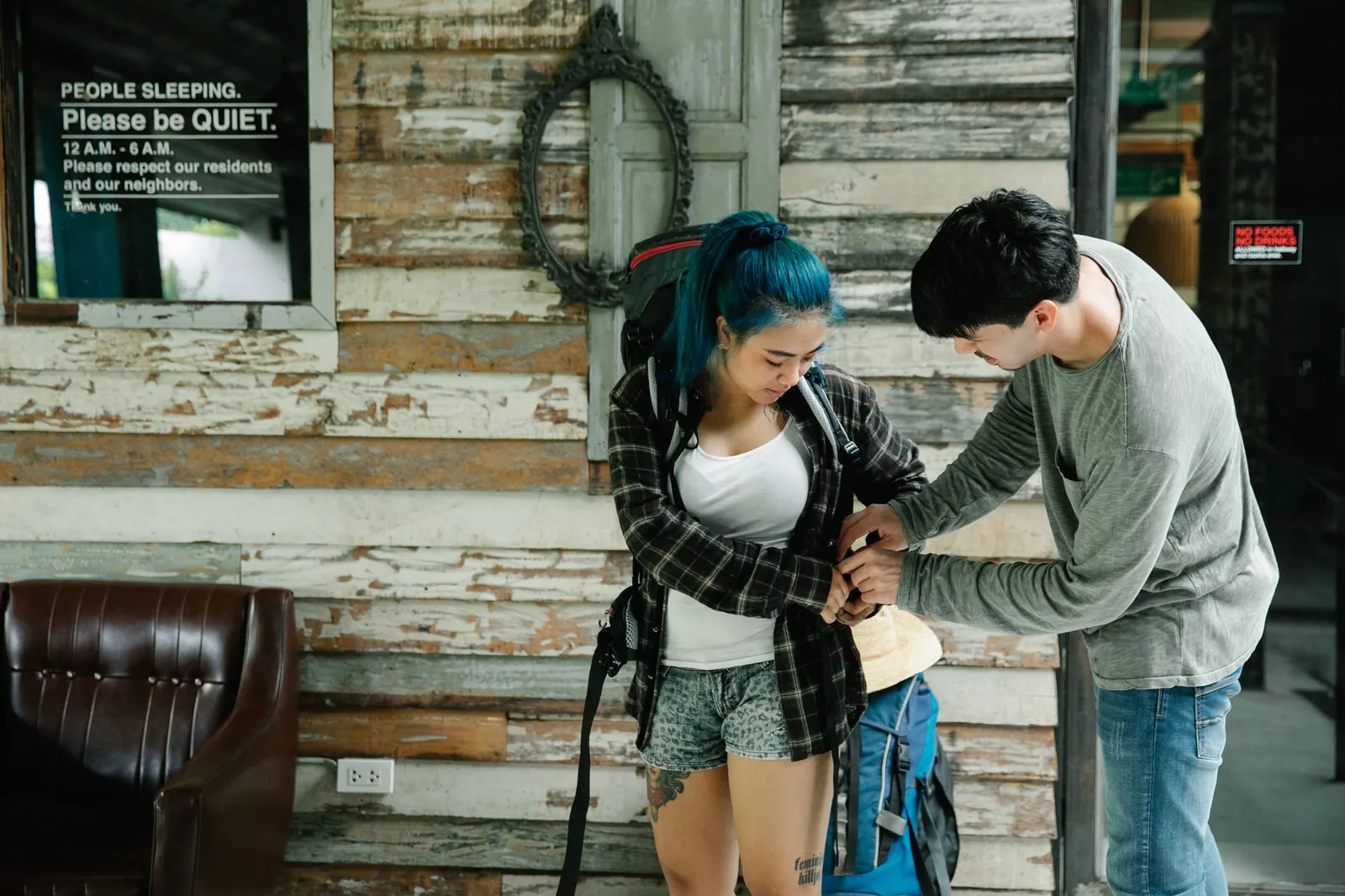
Region choice is the single biggest lever on your budget. A night in a Belgrade hostel runs $12–18; the same category of bed in Copenhagen is $35–50. Here’s what we actually spent per person per day, covering accommodation, food, local transport, and attractions:
| Region | Budget Range | Sweet Spot | What’s Included |
|---|---|---|---|
| Eastern Europe (Poland, Hungary, Romania) | $25–45 | $35 | Hostel, street food, local beer, museum entry |
| Balkans (Serbia, Albania, Bosnia) | $30–50 | $40 | Guesthouse, home cooking, activities, transport |
| Southern Europe (Portugal, Greece, Spain) | $40–70 | $55 | Hostel or cheap hotel, café meals, transit |
| Central Europe (Czech Republic, Austria, Slovenia) | $45–75 | $60 | Mid-range hostel, restaurant meals, activities |
| Western Europe (France, Germany, UK, Netherlands) | $60–100+ | $75 | Hostel, café food, public transit, paid attractions |
| Scandinavia (Sweden, Norway, Denmark) | $80–150+ | $100+ | Budget hostel, minimal eating out, self-catering |
Accommodation: Where Your Money Actually Goes
Lodging typically takes 40–50% of a backpacker’s daily budget. The trade-offs between options are real, not just a matter of preference.
Hostels and Dorms
A dorm bed in Eastern Europe costs $12–20 per night; in Western Europe, $25–45. Most hostels include free WiFi, a kitchen, and common space. The downside is thin walls, noise, and imperfect security—we’ve lost small items twice in five years of hostel stays. Dorms work well if you’re solo or actively want to meet people. They’re a poor fit if you need quiet sleep or travel with a partner who doesn’t want strangers six feet away.
Budget Hotels and Guesthouses
Private rooms in family-run guesthouses run $25–50 in the Balkans, $40–80 in Southern Europe, and $60–120+ in Western Europe. You get a lockable door and fewer interruptions; many include a basic breakfast. The trade-off: these properties are often on the edge of town, and you lose the built-in social scene entirely.
Airbnb and Apartment Rentals
Split among three or four people, a one-bedroom apartment runs $40–60 per person per night—cheaper than a private hotel room. Solo, it rarely makes sense. Cleaning fees and service charges add $15–30 per stay, so short stays eat the savings fast. We use this option when staying four or more nights in one place with a travel companion.
Hostels save money but cost time; private rooms cost more but give you peace to rest between travel days.
Food and Eating: The Hidden Flexibility
Food budgets range from $8–15 daily (self-catering, street food) to $30–50 (eating out regularly). Most backpackers land around $15–25 per day, and this is where discipline—or the lack of it—shows up fastest.
Cheap Eating
Street food and market meals cost $3–8 per sitting. Supermarkets—Lidl and Penny Market across Central Europe, Biedronka in Poland—let you make sandwiches and pasta for $2–4 per meal. Cooking in a hostel kitchen cuts food costs roughly in half if you’re willing to spend 30 minutes on it.
Eating Out
A casual sit-down meal in a local restaurant runs $8–15 in the Balkans, $12–25 in Southern Europe, and $18–40 in Scandinavia and the UK. Tourist-trap restaurants near major sights cost two to three times more for the same food. Eating one block off the main square is rarely a sacrifice.
Alcohol is where budgets quietly fracture. A beer in Prague costs $1–2; in Copenhagen, $6–8. Drinking nightly adds $20–40 per week. Keeping it to two or three times weekly cuts that to $10–15.
Transport Between and Within Countries
Budget $100–300 per month on intercity transport, depending on distance and method. The gap between cheapest and most expensive option on the same route can be $60–80.
Intercity Buses vs. Trains vs. Flights
Buses (FlixBus, BlaBlaCar) are cheapest: $10–40 for a 6–12 hour journey. Trains cost two to four times more but are faster and more comfortable. Flights make sense for long hauls (Rome to Barcelona) booked weeks ahead—but budget airlines typically add $30–60 in baggage and booking fees on top of the headline fare.
We use buses for short hops under eight hours and overnight trains when we’d otherwise pay for a night’s accommodation. Overnight trains to save a hostel bed only pencil out if the train ticket costs less than $30–35 more than the bus.
Local Transport
City transit costs $1–3 per ride or $5–15 for a weekly pass. Most backpackers walk or rent a bike ($5–12 per day) instead, which saves money and covers more ground at street level.
Rail Passes
Eurail passes ($300–800 for 10–15 days of travel) are rarely worth it unless you’re moving cities every one to two days. Point-to-point tickets booked two to three weeks ahead almost always cost less. Regional passes like the Balkan Flexipass can work if you’re concentrating on one area.
Attractions, Activities, and Miscellaneous
Expect to spend $5–25 per day on museums, tours, and activities—or close to nothing if you’re selective. Many major museums are free or pay-what-you-wish on specific days; a quick search before you arrive usually turns up the schedule. Tip-based walking tours run $10–15; paid guided tours run $25–60. We budget $200–400 monthly for attractions and skip expensive set-pieces (the Eiffel Tower summit, Swiss mountain railways) in favor of free viewpoints and day hikes that are often better anyway.
Travel insurance runs $30–60 per month and covers medical emergencies, evacuation, and cancellation—worth it for any trip over two weeks, especially if you’re hiking or cycling. Visas for non-EU citizens vary by country; budget $50–150 per visa where applicable. For a fuller picture of trip-level planning, see our guide on how much to budget for vacation per day.
Realistic Total Trip Budgets
- 3-week Eastern Europe loop (Poland → Hungary → Romania): $1,800–2,400 total ($50–65 per day). Flights not included.
- 4-week Balkans + Southern Europe (Serbia → Greece → Portugal): $2,400–3,600 ($60–80 per day).
- 2-week Western Europe (Netherlands → France → UK): $1,600–2,400 ($70–100+ per day).
- 6-week mixed route (starting East, ending West): $3,000–4,500 ($50–75 per day).
None of these include flights to and from Europe. Budget $400–1,200 for a transatlantic round trip depending on season and how far ahead you book.
Ways to Actually Save Money
Timing
May, September, and October cost less than June–August. Accommodation drops 20–30% in shoulder season and crowds thin noticeably. Winter (November–February, excluding the December holiday spike) is cheapest of all but brings short days and cold weather in Northern and Central Europe—a real trade-off, not just a footnote.
Route Strategy
A week in Serbia costs less than three days in Norway. Spending more time in cheap regions and passing quickly through expensive ones is the highest-leverage route decision you can make.
Slow Travel
Moving cities every one to two days racks up transport costs and prevents you from negotiating weekly accommodation rates or cooking regularly. Staying five to seven days per place saves us $300–500 per month compared to constant movement.
Travel with a Friend
Splitting a private room, apartment, or rental car cuts lodging and transport costs by 30–50%. Solo travel is genuinely more expensive per person—that’s the honest trade-off.
Work or House-Sit
Seasonal work at hostels or farms, or house-sitting through platforms like Trusted House Sitters ($200/year membership), can eliminate accommodation costs for weeks at a stretch. It requires flexibility and advance planning but is a legitimate long-term strategy.
Frequently asked questions
Is $30 per day realistic for backpacking Europe?
Only in the cheapest regions—Albania, rural Romania, Serbia—and only if you skip paid attractions, cook every meal, and don’t drink. Most backpackers find $30 unsustainably tight within a week or two. $40–50 per day is more realistic for comfort without excess.
How much should I budget for flights within Europe?
Budget $100–300 per flight depending on distance and lead time. Budget airlines advertise $20–80 base fares but add $30–60 in baggage, seat selection, and booking fees. For distances under 1,000 km, buses and trains are often cheaper once you factor in airport transfers and fees.
Do I need travel insurance?
We recommend it for any trip over two weeks, particularly if you’re hiking, cycling, or visiting countries where healthcare costs fall entirely on you. A month of coverage costs $30–60 and covers medical emergencies, evacuation, and trip cancellation. It’s not legally required anywhere in Europe but is practically essential if something goes wrong far from home.
What’s the cheapest time to backpack Europe?
November through March (excluding the December holiday period) offers the lowest accommodation rates—down 20–40%—cheaper flights, and far smaller crowds. The trade-off is fewer daylight hours, cold weather across the north, and reduced hours at some attractions. May and September give the best balance of low prices and usable weather.
Should I book accommodation in advance or as I go?
In summer, book one to two weeks ahead to lock in cheap beds before they’re gone. In shoulder season, booking two to three days out often yields better rates as hostels drop prices to fill remaining beds. Booking months ahead rarely saves money and removes flexibility. We book as we go and have never been stranded, though we accept less choice on busy weekends.

Tomas is a former airline route planner who now writes about fares, airports and getting there without the drama.