This article may contain affiliate links. If you buy through them we may earn a commission at no extra cost to you.
May and September are the strongest months to visit Lisbon. Both deliver 77–82°F temperatures, mostly dry days, and mid-range hotel rates of $100–$160 per night. Every other month involves a genuine trade-off between weather, price, and crowd density—and which one you make depends on what you’re actually planning to do there.
Month-by-Month at a Glance
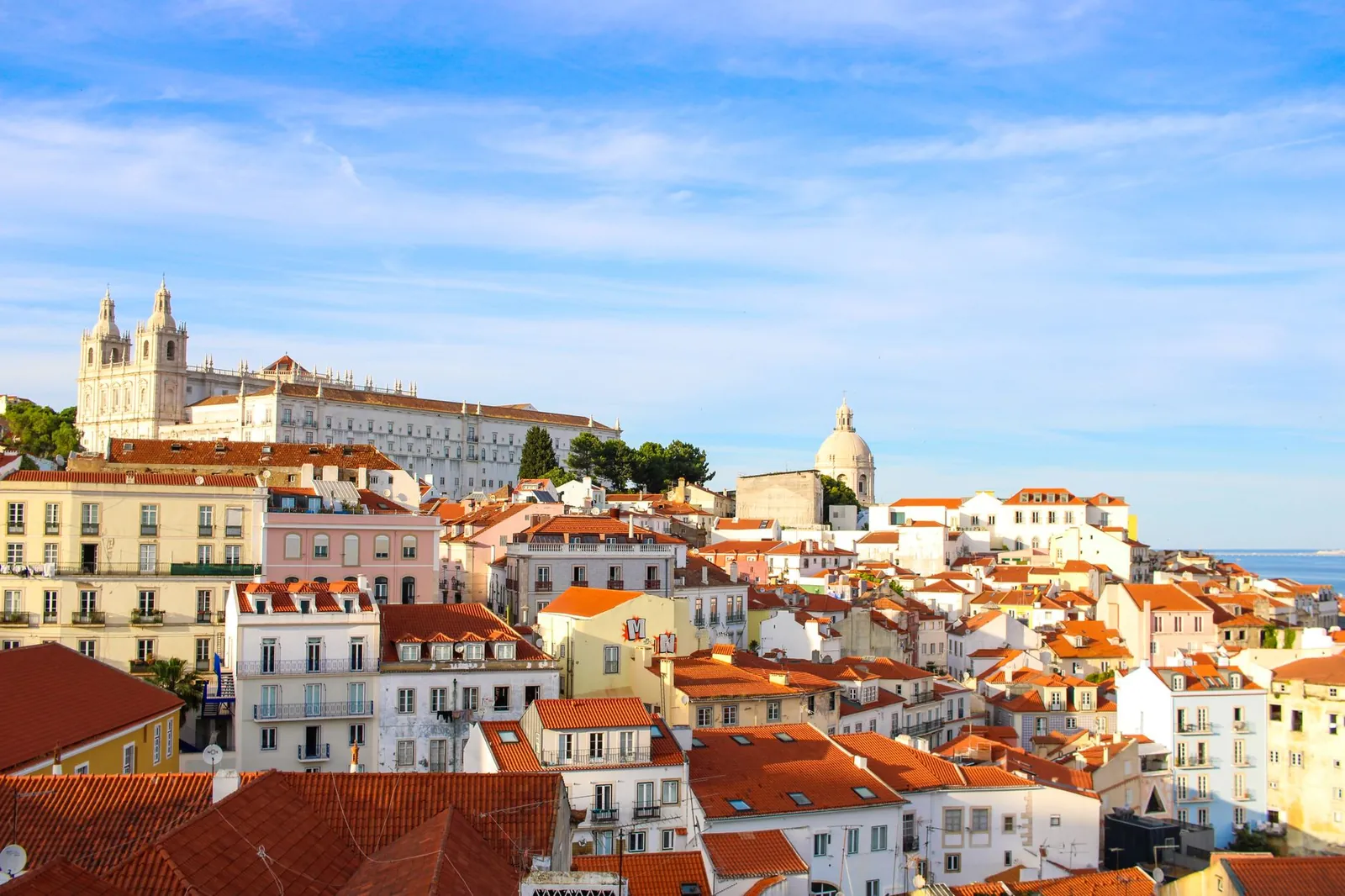
Lisbon runs on a Mediterranean rhythm: hot, dry summers and mild, wet winters. April through October is reliably warm. December through February hovers around 50–57°F with frequent rain. The shoulder months cost more than winter but less than peak summer.
| Month | Avg. High | Crowds | Hotel Price Range | Rainfall |
|---|---|---|---|---|
| January–February | 57–59°F | Low | $60–$100 | High |
| March–April | 64–70°F | Low–Moderate | $70–$120 | Moderate |
| May–June | 77–82°F | Moderate–High | $110–$180 | Low |
| July–August | 86–88°F | Very High | $130–$220 | Very Low |
| September–October | 82–75°F | Moderate | $100–$160 | Low |
| November–December | 64–59°F | Low–Moderate | $75–$130 | Moderate–High |
May and September: The Sweet Spot
In May, the city is fully open but not yet overwhelmed. Café patios fill up, locals are back outside, and rain is rare. You’ll share Jerónimos Monastery with other visitors, but queues at peak sites rarely stretch past 30 minutes. Airfares from the US typically run $500–$750, versus $350–$500 in January.
September trades a few degrees of warmth for noticeably fewer people. The Atlantic is still around 70°F—warm enough to swim at Caparica or Cascais. Hotels drop slightly from June peaks to $100–$140. The only real losses: daylight shortens faster than in May, and there are fewer organized events after the June festival season closes out.
If you visit in May or September, you’ll rarely wait more than 30 minutes for major attractions, and you won’t overpay for accommodation.
Choose May if you want peak energy and longer evenings. Choose September if you’d rather have quieter streets and slightly lower bills. Weather-wise, the difference is marginal.
Summer (July–August): Heat and Crowds
Peak season brings 86–88°F heat, European holiday crowds, and hotels at $130–$220 per night. The Belém Tower and Jerónimos Monastery can see 90-minute queues on busy days. Well-reviewed restaurants in Alfama and Bairro Alto book out weeks in advance. Pickpocketing increases in tourist-heavy areas during these months.
Summer doesn’t work if you want to wander without a plan, eat without reservations, or keep costs manageable. It does work if school holidays leave you no other window, or if beach swimming is the priority—August water temperatures peak around 72°F at Cascais.
Winter (November–February): Rain and Bargains

January and February are the wettest months—expect rain on roughly half your days and temperatures of 50–57°F. Hotels drop to $60–$100 per night. Flights from the US frequently fall to $300–$500. Restaurants in neighborhood tascas are uncrowded and unhurried.
Who winter works for
Budget travelers who don’t mind a jacket and umbrella. You can spend days in Alfama’s narrow streets, move through the Museu Nacional do Azulejo without shoulder-to-shoulder crowds, and eat lunch at a counter without a reservation. The city runs at its own pace rather than a tourist one. It also suits anyone who finds 88°F heat genuinely unpleasant for walking.
Who should skip winter
Anyone whose Lisbon list is built around outdoor sightseeing. The hillside viewpoints (miradouros), the Sintra palaces, the coastal walks to Cabo da Roca—all of these are significantly better in dry weather. Daylight in December runs about nine hours, so late arrivals lose the afternoon quickly.
Spring (March–April): Emerging but Unpredictable
Temperatures climb from 64°F in March to 70°F by April, and rainfall is decreasing but not gone. You might get four consecutive sunny days, then two of drizzle. Hotels run $70–$120 per night—a reasonable middle ground. April reaches about 14 hours of daylight, which helps when the weather cooperates.
One variable: Easter. When it falls in April (sometimes late March), hotel prices spike for two to three weeks around the holiday and family travel increases noticeably. Check the calendar before booking. Spring suits flexible solo travelers or couples who can shift plans around a rainy afternoon. It’s harder to recommend for groups or families with fixed outdoor itineraries.
Fall (October–November): Cooling Down
October opens at around 75°F and cools to 64°F by month’s end—still comfortable for walking Lisbon’s hills. Crowds thin sharply after September. Hotels sit at $100–$160 in October and $75–$130 in November, when rain returns more reliably.
The practical catch: sunset arrives around 6 p.m. by late October. If you’re flying in on an evening flight, you lose the first afternoon. Plan accordingly, or book an early arrival.
Festivals Worth Planning Around
- Festa de Santo António (June 12–13): Street parties, grilled sardines, and live music across the city. Hotels fill weeks ahead; prices rise accordingly.
- Festa de São João (June 23–24): Bonfires and all-night celebrations citywide. Similar crowding to Santo António—book early or avoid.
- New Year’s Eve: Praça do Comércio hosts a large public celebration. Hotels book out months ahead and rates spike 20–30% above standard December prices.
- Easter week: Significant uptick in family tourism and hotel prices, particularly if it falls in April.
A Few Practical Notes
Flights: January–March and September–October typically offer the lowest US fares ($350–$550 round-trip). July–August and December run $500–$800. Midweek departures are usually cheaper than weekend ones, though the gap varies by route.
Walking: Lisbon is built on hills. Wet cobblestones in January or February aren’t just unpleasant—they’re slippery. This is a real consideration if you’re traveling with older relatives or young children.
Swimming: Atlantic water temperatures range from 57°F in February to 72°F in August–September. May is borderline for most swimmers; April is cold by any standard.
Our verdict
Visit in May or September for the best overall experience: warm weather, manageable crowds, and mid-range prices ($100–$160 hotels, $500–$700 flights). If budget is the priority and rain doesn’t bother you, March, April, or November work well ($70–$130 hotels, $350–$500 flights). July and August cost the most and deliver the most friction—worth it only if the calendar forces your hand. Winter is a genuine option for the right traveler, not a consolation prize.
Frequently asked questions
Is Lisbon hot in summer?
July and August average 86–88°F. Humidity is lower than in many coastal US cities, but the sun is intense and the city’s hills mean a lot of exposed walking. The heat is manageable; the crowds compound it. Bring sunscreen and light clothing, and plan heavier sightseeing for mornings.
Can you visit Lisbon in winter?
Yes, with realistic expectations. Temperatures stay mild at 50–59°F—you won’t need a heavy coat, but you will need a rain jacket most days. Daylight runs about nine hours in December. Museums, fado houses, and neighborhood restaurants are all excellent in winter. Outdoor sightseeing is the main casualty.
What’s the cheapest time to visit Lisbon?
January–February and November offer the lowest hotel rates ($60–$100) and flights ($300–$500 from the US). March–April cost slightly more but come with better weather odds. December is expensive despite being winter, driven by holiday travel demand.
When is Lisbon least crowded?
January, February, and November see the fewest tourists. March and April are light. July and August are the busiest months, followed by June. If visiting Jerónimos Monastery or the Belém Tower without a long queue matters to you, January through April or November are the windows to target.
Is September better than May to visit Lisbon?
Marginally quieter and slightly cheaper, but not dramatically different. May averages around 82°F with more daylight; September sits around 79°F with faster-shortening evenings. May suits travelers who want the city at full energy. September suits those who prefer a slower pace and don’t mind planning around earlier sunsets.

Maya has spent twelve years writing about travel, from budget backpacking to family resorts, and still packs too many socks.