This article may contain affiliate links. If you buy through them we may earn a commission at no extra cost to you.
The fastest way to cut Tokyo hotel costs: stay in Ueno or Ikebukuro instead of Shinjuku, book either 6–8 weeks out or 3–7 days before arrival, and cross-check at least three platforms before paying. We’ve found clean private rooms for $40–$60 per night doing exactly that. The difference between a $55 room and a $110 room is rarely quality—it’s usually timing and neighborhood.
Book 6–8 Weeks Ahead (or Last-Minute)
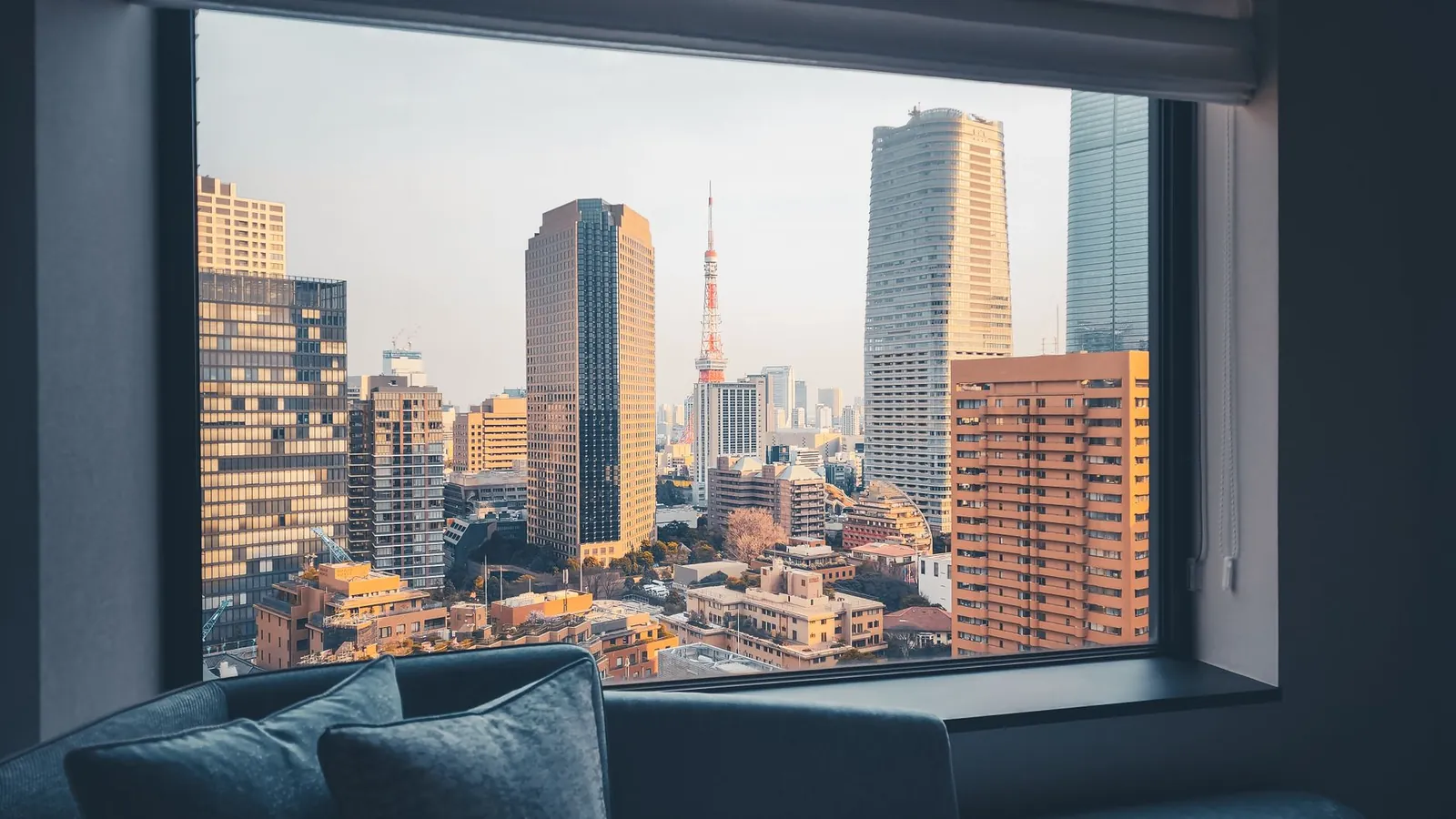
There are two reliable price valleys. Booking 6–8 weeks in advance typically locks in 20–30% lower rates than booking 3–4 weeks out, particularly for weekday stays. Hotels set lower base prices early to fill inventory before demand firms up.
The second window is 3–7 days before arrival. Hotels with unsold rooms drop prices sharply rather than leave beds empty. We booked a clean business hotel in Shinjuku for $52 per night three days before check-in; the same room was $95 six weeks earlier. This only works if your plans are genuinely flexible.
The window to avoid: 2–4 weeks ahead, when hotels have enough demand to hold firm. Also avoid major holidays—New Year, Golden Week (late April through early May), and Obon (mid-August)—unless you book 10–12 weeks out or accept paying 50–100% premiums.
Use Multiple Booking Platforms (Not Just One)
We compared the same 20 Tokyo hotels across five platforms and found price differences of $5–$25 per night for identical rooms. Agoda often undercuts Booking.com by 5–15% on Tokyo properties. Rakuten Travel surfaces Japanese-owned hotels at rates Western platforms don’t match. Five minutes of cross-checking is worth it.
| Platform | Best For | Typical Price Range | Cancellation Terms |
|---|---|---|---|
| Booking.com | Quantity of listings, flexible filters | $50–$150 | Often free cancellation |
| Agoda | Last-minute deals, Southeast Asia focus | $45–$130 | Varies; check fine print |
| Rakuten Travel | Japan-based properties, local deals | $55–$140 | Often more restrictive |
| Hotels.com | Loyalty rewards program | $50–$145 | Usually free cancellation |
| Direct hotel websites | Best rate guarantees, direct support | $48–$135 | Varies by property |
The cheapest rate on one site is often $10–$20 more expensive than the same room on another—checking three platforms takes five minutes and saves real money.
Choose the Right Neighborhood
Location drives Tokyo hotel costs more than almost anything else. A clean business hotel runs $90–$120 per night in Shinjuku or Shibuya. The same standard of room costs $50–$75 in Ueno, Ikebukuro, or Asakusa—with a 15–25 minute subway ride to the same attractions.
We stayed three nights in Ueno and paid $180 total for a private room with a shower and clean sheets. Equivalent accommodation in Shibuya would have been $270. The trade-off is real: Ueno is quieter, more residential, and less central to nightlife. But it’s safe, well-connected, and has restaurants and convenience stores within a short walk. Read our guide on Tokyo neighborhoods by budget for detailed breakdowns.
- Ueno: $50–$80 per night. Museums, parks, older vibe. 15 minutes to Shinjuku by train.
- Ikebukuro: $55–$85 per night. Residential, good food, department stores. 10 minutes to Shinjuku.
- Asakusa: $60–$90 per night. Tourist-friendly, temples, traditional feel. 20 minutes to central areas.
- Koenji: $50–$75 per night. Artsy, cheap bars and restaurants, less crowded. 15 minutes to Shinjuku.
Paying for Shinjuku or Shibuya only makes sense if you’re out late most nights and want to walk home. For sightseers on a schedule, the subway gap is negligible.
Consider Capsule Hotels and Hostels for Solo Travelers
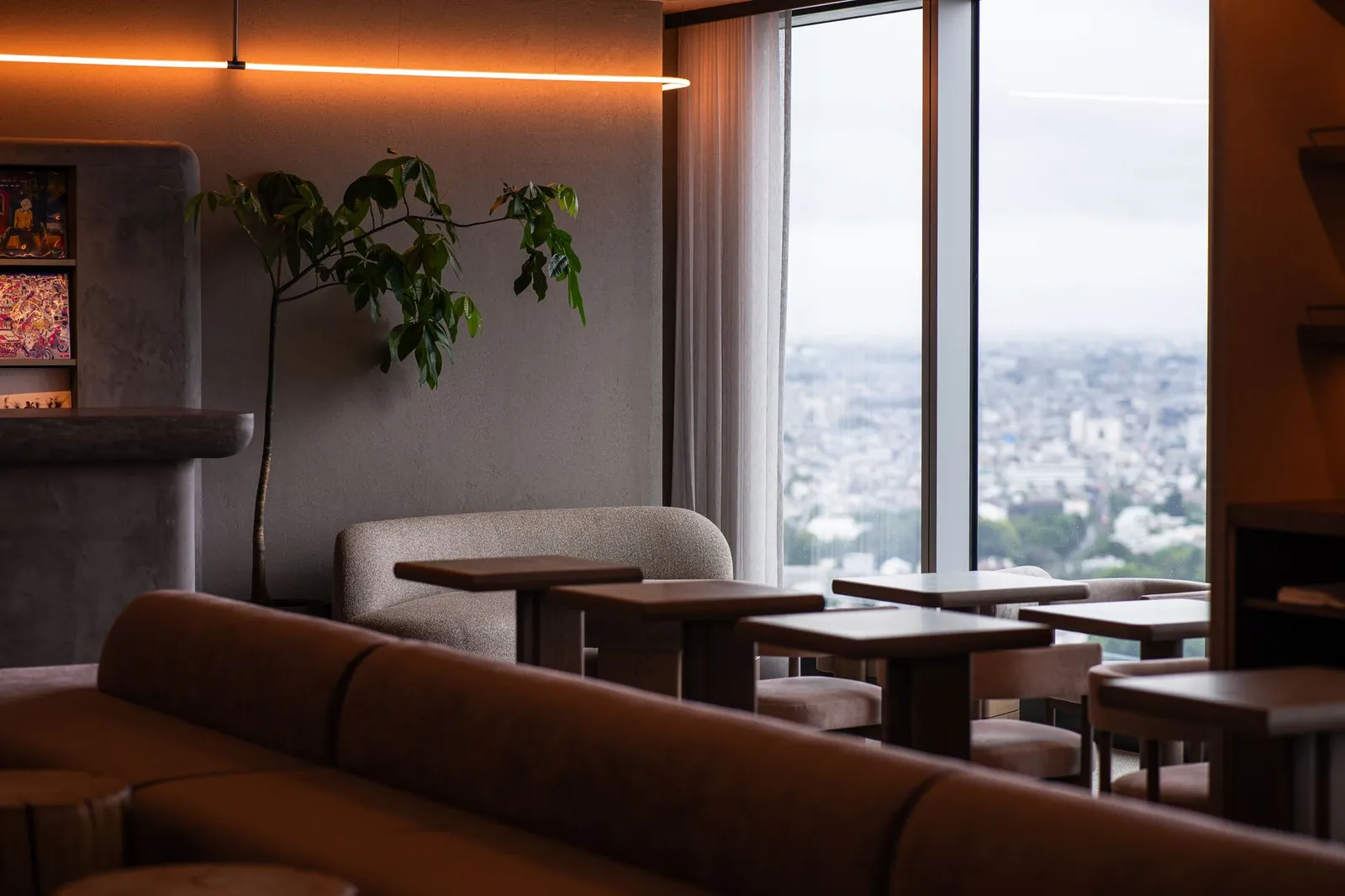
Capsule hotels cut costs to $25–$50 per night. We tested one in Shinjuku: a clean pod with a locker, shared bathroom, and access to a communal bathing area. Efficient, secure, and genuinely unlike staying anywhere else. Many newer properties offer private pods for $50–$70. Hostels with private rooms run $60–$90 and often include a kitchen.
This option is not for couples, families, or anyone who needs personal space. If you’re traveling with a partner, splitting a cheap hotel room ($70–$90 total) is better value than two capsule pods at $50–$60 each. Search on Booking.com or try Japanese-specific sites like Jalan or Tabinavi for more inventory and occasionally lower prices.
Ask for Upgrades at Check-In
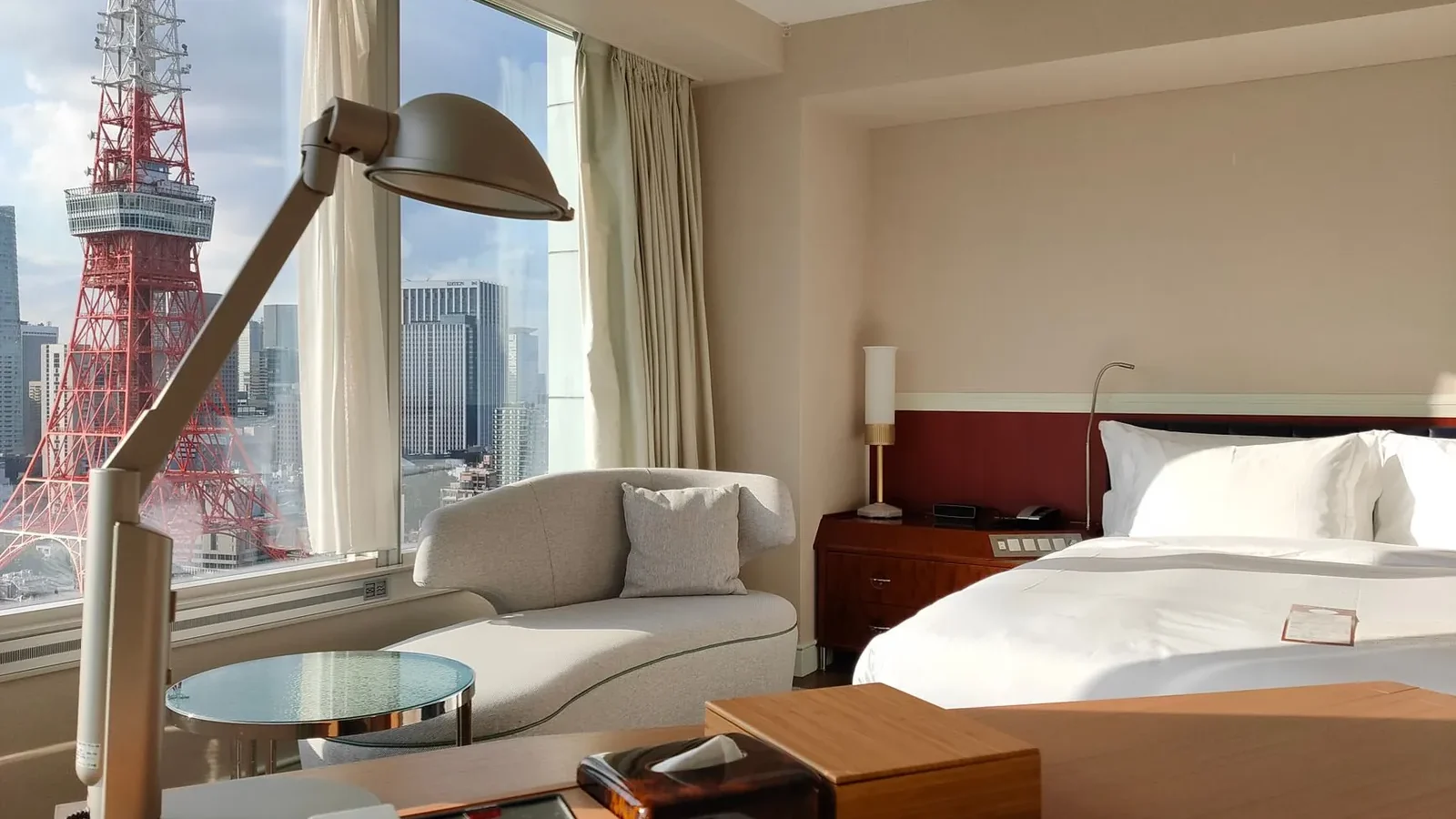
We booked a standard room at a business hotel in Ikebukuro for $62 per night. At check-in, we asked whether any complimentary upgrades were available. The staff moved us to a corner room with a city view at no charge. It cost them nothing; it cost us nothing.
This works best on weekdays when the hotel isn’t fully booked, and if you arrive mid-morning or late afternoon when staff have time. Be direct but not demanding: “Are there any complimentary upgrades available tonight?” Budget hotels rarely have room to offer this. Business hotels and mid-range properties often do. You can also ask about free breakfast, late checkout, or meal credits—smaller asks that staff frequently approve without escalating.
Use Loyalty Programs and Cashback
Hotels.com gives you one free night after every 10 paid nights—worth $60–$100 on a Tokyo rate. Rakuten and similar cashback portals return 3–8% on hotel bookings. We earned $15 back on a $200 booking; over a week-long trip with two bookings, that’s $30 for ten minutes of setup. If you’re already using a travel credit card like Chase Sapphire or Amex Platinum, routing bookings through the card portal can earn 5x points on hotel spend.
Avoid Peak Seasons
Cherry blossom season (late March through early April) and summer holidays (early August) carry 40–80% premiums over shoulder-season rates. We booked a $65-per-night hotel in May and saw the identical room listed at $110 in early April.
October and November offer reliable weather, prices in the $50–$90 range, and noticeably thinner crowds. January and February are the coldest months but also the cheapest, with rooms regularly available at $40–$70. If cherry blossom season is non-negotiable, book 10–12 weeks ahead and treat the premium as a fixed cost.
Frequently asked questions
Are cheap hotels in Tokyo safe?
Yes. Tokyo’s crime rate is extremely low. A $50 business hotel in Ueno or Ikebukuro will be clean, safe, and secure. Read recent reviews on Booking.com or Google to confirm, but “cheap” in Tokyo doesn’t mean unsafe—it usually just means smaller rooms, fewer amenities, or a less central location.
What’s the difference between a business hotel and a capsule hotel?
A business hotel is a small private room—typically 150–200 sq ft—with a bed, shower, and TV, comparable to a compact American motel. A capsule hotel is a sleeping pod of roughly 75 sq ft with a locker; bathrooms are shared. Business hotels cost $50–$90 per night; capsules run $25–$50. Business hotels offer privacy; capsules offer the lowest possible price point.
Is it cheaper to book directly with the hotel or through a website?
It depends on the property. Some hotels discount direct bookings by 5–10%; others match third-party prices exactly. Check the hotel’s website and compare it against Booking.com and Agoda. If prices are identical, book on whichever platform has the best cancellation policy. If the hotel’s direct rate is lower, book directly and ask about perks like free breakfast or late checkout.
How far in advance should I book to get the best price?
6–8 weeks ahead for the lowest base rates, or 3–7 days before arrival for last-minute discounts. The 2–4 week window is typically the most expensive, when hotels have enough demand to hold firm. If your dates are flexible, use Hopper or Kayak’s price tracking to watch rates and book when they dip.
Are there hidden fees I should know about?
Some Tokyo hotels charge resort fees ($5–$15 per night), local accommodation taxes (2–3% in certain wards), or parking ($15–$30 per night). Booking.com generally shows the final price upfront; Agoda sometimes withholds fees until checkout. Always confirm the total before completing a booking.

Maya has spent twelve years writing about travel, from budget backpacking to family resorts, and still packs too many socks.