This article may contain affiliate links. If you buy through them we may earn a commission at no extra cost to you.
At most all-inclusive resorts, one nightly rate covers your room, three meals a day, well liquor and beer, and a rotation of pool and beach activities. That’s the baseline. What sits outside it—specialty restaurants, scuba diving, spa services, top-shelf spirits—depends entirely on the property tier and region, and the gaps can add $100–$300 to a week’s bill if you’re not watching. We’ve stayed at enough of these to know where the surprises live.
What’s Typically Included at All-Inclusive Resorts
Across mid-range and luxury properties, the standard package covers:
- Accommodation: Your room or suite for the duration of your stay.
- Meals: Breakfast, lunch, and dinner at on-site restaurants. Budget properties lean heavily on buffets; mid-range and up add à la carte options.
- Drinks: Beer, wine, well spirits, soft drinks, and coffee at bars and restaurants—including swim-up bars and beach service.
- Basic activities: Pool and beach access, fitness classes, beach volleyball, and evening entertainment or live music.
- Wi-Fi: Standard at most properties built or renovated after 2015, though speeds at large Caribbean resorts can be sluggish during peak hours.
Nightly rates in the Caribbean and Mexico run $150–$250 per person at mid-range properties and $400–$600+ at luxury brands. Peak winter rates (December–March) typically run 40–60% higher than summer rates at the same resort.
What Varies by Resort Category
Budget all-inclusives ($120–$200/night) usually offer one or two restaurants with set menus and a limited bar. Mid-range properties ($200–$400/night) add multiple à la carte venues, premium spirits, and specialized activities like yoga or non-motorized water sports. At luxury all-inclusives ($400–$800+/night), you’re looking at fine-dining restaurants, name-brand alcohol, personalized service, and sometimes diving or spa credits folded into the rate.
The difference between a good all-inclusive and a frustrating one often comes down to whether you can make dining reservations in advance or face daily waits.
What Costs Extra (The Real List)
This is where properties catch people off guard. Common add-ons that are not included:
- Specialty restaurants: À la carte steakhouses, sushi bars, and Italian venues often charge $15–$40 per person on top of your package. Some resorts include one or two specialty dinners per stay; others charge for all of them.
- Premium alcohol: Top-shelf spirits, imported wines, and brand-name cocktails frequently cost extra. At budget properties, premium liquor may be excluded entirely.
- Water sports: Snorkeling gear and kayaks are sometimes free; paddleboarding, scuba diving, and boat excursions typically run $50–$150 per activity.
- Off-resort excursions: Tours, zip-lining, cenote visits, and city trips cost $60–$200+ per person, even when booked through the resort’s own desk.
- Spa services: Massages and facials start at $80–$150 per service. A handful of luxury resorts include one or two credits; most don’t.
- Kids’ clubs: Structured childcare runs $50–$100 per day at some properties—worth confirming before you book if that’s part of your plan.
- Tips and gratuities: Service charges aren’t always bundled in; staff typically expect 15–20%.
- Convenience items: Minibar restocking, room service snacks, laundry, and parking at some resorts are separate line items.
Regional Differences: Caribbean vs. Mexico vs. Central America
Caribbean (Bahamas, Jamaica, Turks & Caicos)
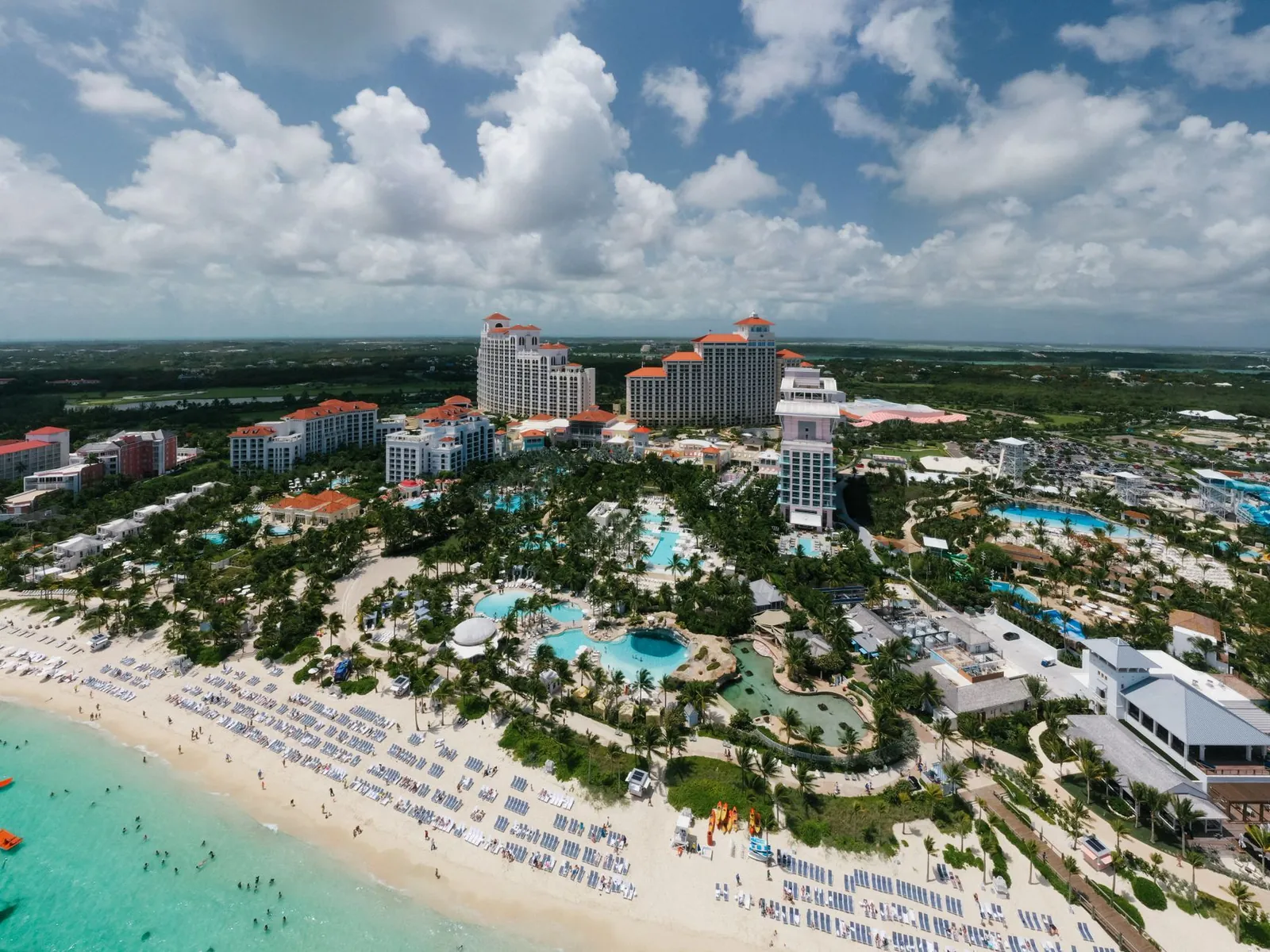
Caribbean all-inclusives tend to run $250–$500/night and are more restrictive about what’s bundled. Premium alcohol, specialty restaurants, and water sports are commonly excluded. Gratuity expectations are higher here than in Mexico, and the expectation is rarely built into the rate. The properties skew upscale, but the extras add up faster.
Mexico (Cancún, Playa del Carmen, Riviera Maya)
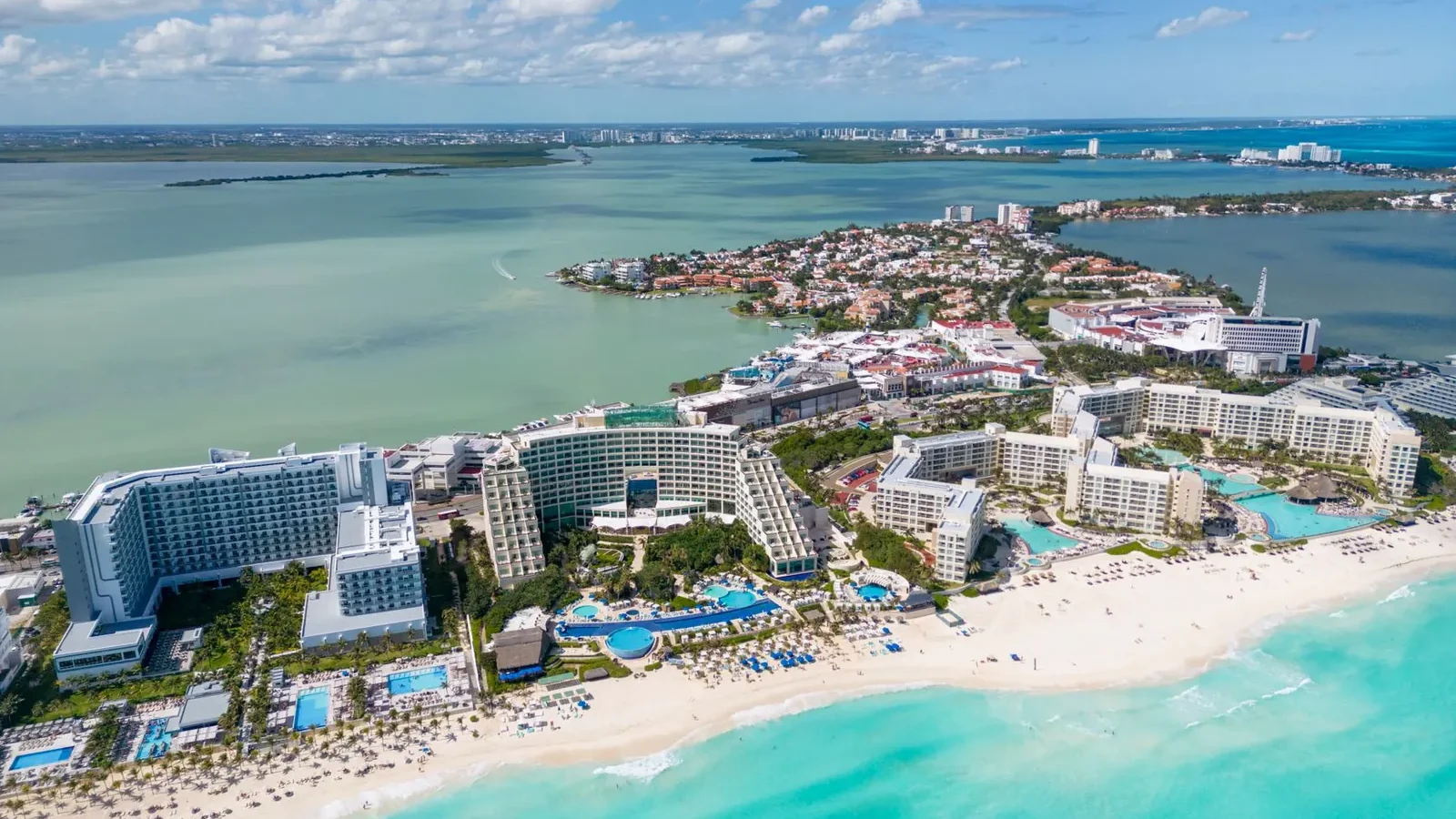
Mexico has the widest range of options and the most competitive pricing, from $150/night in Cancún to $400/night in the southern Riviera Maya. Cancún properties are large and resort-village-like. Playa del Carmen sits in the middle on both price and scale. The Riviera Maya south of there has newer, smaller, and generally more upscale properties. Alcohol inclusion is more generous across the board here than in the Caribbean, and non-motorized water sports are more often folded into the base rate.
Central America (Costa Rica, Belize, Panama)
All-inclusives are less common here, which keeps prices lower ($120–$300/night) and inclusion broader. Many properties fold in adventure activities—zip-lining, kayaking, guided hikes—that would cost $50–$100 extra at a Mexican resort. The trade-off is fewer dining options and limited nightlife infrastructure compared to the Yucatán.
Dining and Drink Policies to Confirm Before Booking
Restaurant and bar terms are where all-inclusives diverge most. Before you commit, ask the resort directly:
- How many on-site restaurants are included, and can you dine at all of them or only certain ones?
- Do specialty restaurants require reservations, and are visits capped per stay?
- What are the buffet hours? Some resorts close it well before 9 p.m.
- Is room service included, or is it limited to paid orders?
- What alcohol tier is covered—well liquor only, or premium brands?
- Are branded sodas like Coca-Cola included, or only generic cola?
Mid-range and luxury properties are generally upfront about these terms. Budget resorts sometimes don’t surface restrictions until you’re already checked in.
Is an All-Inclusive Actually a Good Deal?
It depends on how you travel. All-inclusives make sense if you want fixed, predictable costs; plan to drink regularly (the per-drink value usually pays out); travel with kids who need simplified meal logistics; or prefer not to leave the property.
They’re not a good fit if you want to eat at local restaurants, prefer boutique accommodations, drink little or no alcohol, or plan to spend most days on off-resort excursions. If you’re out of the resort from 9 a.m. to 6 p.m. every day, you’re paying for meals you won’t eat.
A concrete benchmark: a mid-range Mexican all-inclusive at $300/night for two people works out to roughly $150 per person. That covers approximately $30–$40 in meals, $15–$20 in drinks, and $10–$15 in activities per person per day. If you’d spend more than $65–$75 per person eating and drinking at local restaurants, the package pays off. If you’d spend less, book a regular hotel and eat in town.
Money-Saving Tips for All-Inclusive Stays
- Travel in shoulder season: June–August and September–November typically run 30–50% below peak winter rates.
- Book longer stays: Many resorts reduce the nightly rate for stays of five nights or more.
- Check package deals: Tour operators sometimes bundle flights and resorts at better combined rates than booking each separately.
- Front-load your eating: Breakfast and lunch buffets are usually unlimited. Dinner is where specialty restaurant caps bite.
- Ask at check-in what’s actually free: Some resorts offer complimentary water sports or excursions that aren’t advertised anywhere on the website.
- Confirm before you order: Never assume a cocktail, treatment, or activity is included. One question saves a surprise charge.
Frequently Asked Questions
Do all-inclusive resorts include tips and gratuities?
Not always. Some luxury all-inclusives fold gratuities into the nightly rate; most mid-range and budget properties don’t. Budget 15–20% of your nightly rate for tips to housekeeping, servers, and bartenders. Some resorts sell an optional gratuity package at booking, which can be worth it for longer stays.
Can I leave the all-inclusive resort and eat elsewhere?
Yes—nothing stops you. But if you’re on an all-inclusive package, you’re already paying for meals at the resort, so eating off-property means paying twice. Whether that’s worth it depends on location. Some Mexican resorts sit within walking distance of local restaurants; others require a $20–$40 taxi ride each way to reach anything worth eating. Check the resort’s map before booking if leaving the property is part of your plan.
Are flights included in all-inclusive packages?
Rarely. The term refers to the resort stay only. Some tour operators sell flight-and-resort bundles at discounted combined rates, but the flight is always a separate component. Confirm what’s in your package before paying.
What’s the difference between all-inclusive and half-board or full-board?
Half-board covers lodging plus one meal daily, usually breakfast or dinner. Full-board covers lodging and two meals. All-inclusive covers lodging, all meals, drinks, and activities—the most comprehensive and most expensive option upfront. Half- and full-board cost less per night but require you to budget separately for additional meals, drinks, and activities.
Can I negotiate the price of an all-inclusive resort?
Direct rate negotiation is rare. Better leverage comes from booking shoulder season, committing to longer stays, or working with a travel agent who has wholesale access. Some resorts run “book four nights, get one free” promotions. Comparing rates across two or three booking platforms for the same property sometimes turns up differences of $20–$50 per night.

Maya has spent twelve years writing about travel, from budget backpacking to family resorts, and still packs too many socks.