This article may contain affiliate links. If you buy through them we may earn a commission at no extra cost to you.
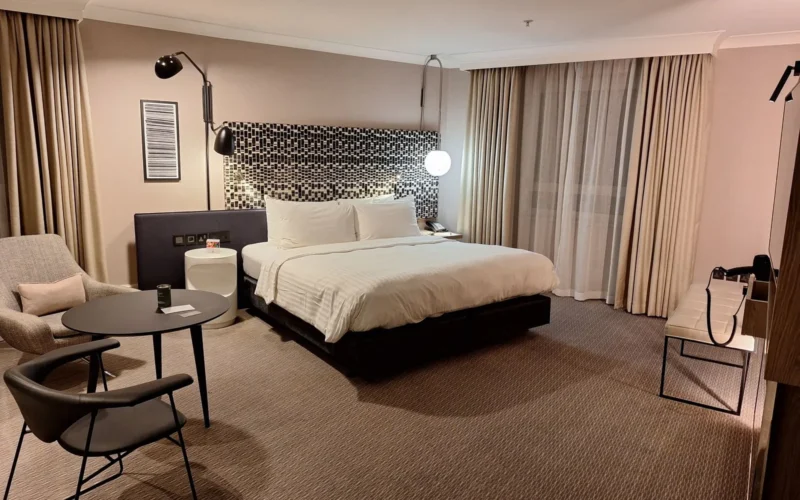
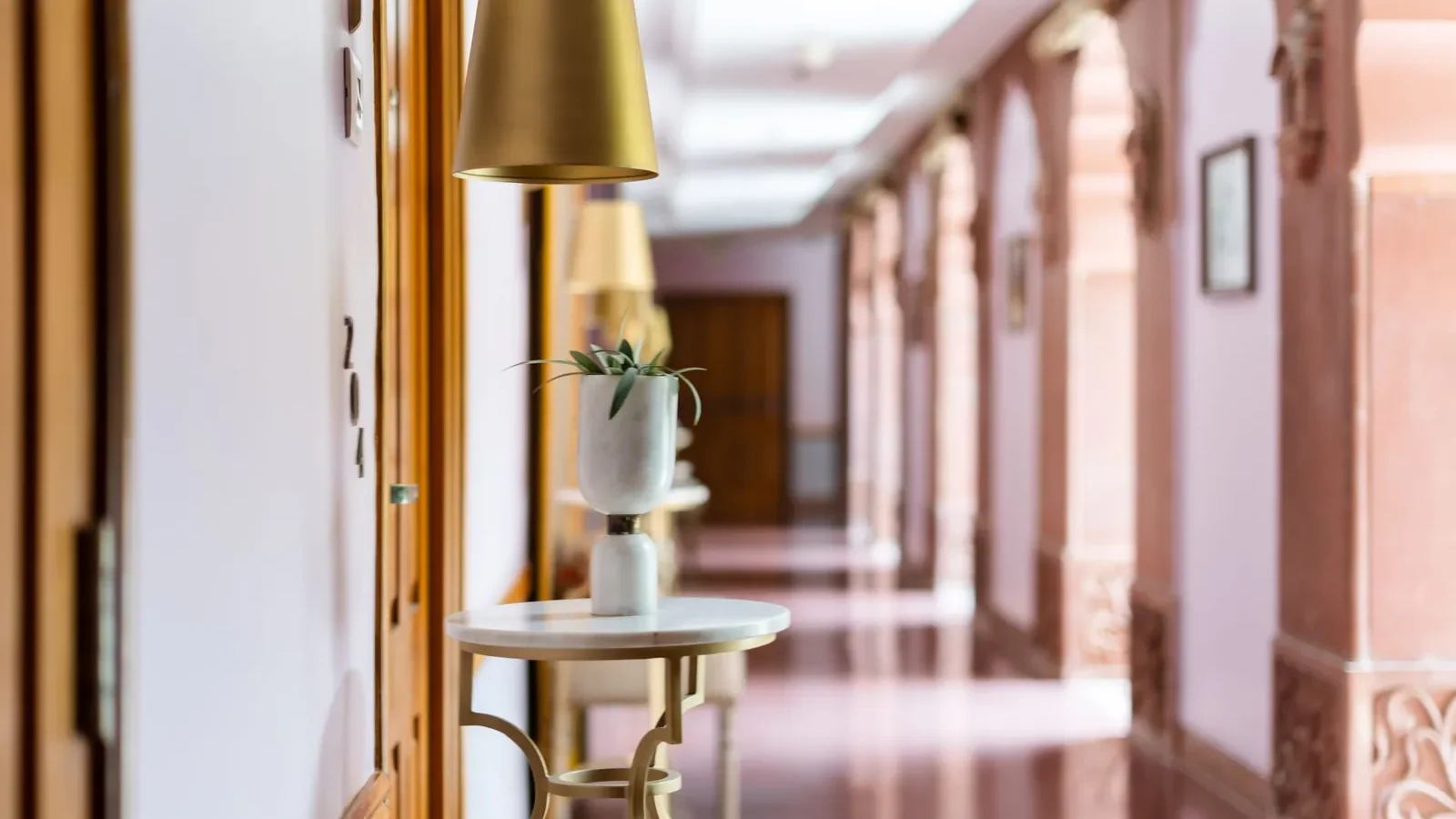
Boutique hotels in Europe—independent, under 100 rooms, designed with a point of view—run $120–$280 per night and compete directly with four-star chains on price. What they deliver instead of loyalty points: staff who know which bakery opens at 7 a.m., rooms that don’t look like every other room you’ve slept in, and breakfasts sourced from someone the owner actually knows.
The catch is that “boutique” is unregulated. A 40-room hotel with flat-pack furniture and a stock-photo website is just a small hotel. This guide covers where the real ones are, what they cost, and how to tell the difference before you book.
What Makes a Boutique Hotel Actually Boutique
Independent ownership, fewer than 100 rooms, and a design philosophy tied to the location. That’s our working definition. It matters practically: the owner usually lives nearby, staff turnover is lower than at chains, and the breakfast reflects actual taste rather than a procurement contract.
The trade-off is consistency. A chain hotel in Prague performs like a chain hotel in Barcelona. A boutique in Prague might be exceptional; one in Barcelona might be overpriced and undersized. You’re betting on curation, not standardization—which means doing more homework before you book.
Where Boutique Hotels Actually Exist in Europe
Spain and Portugal
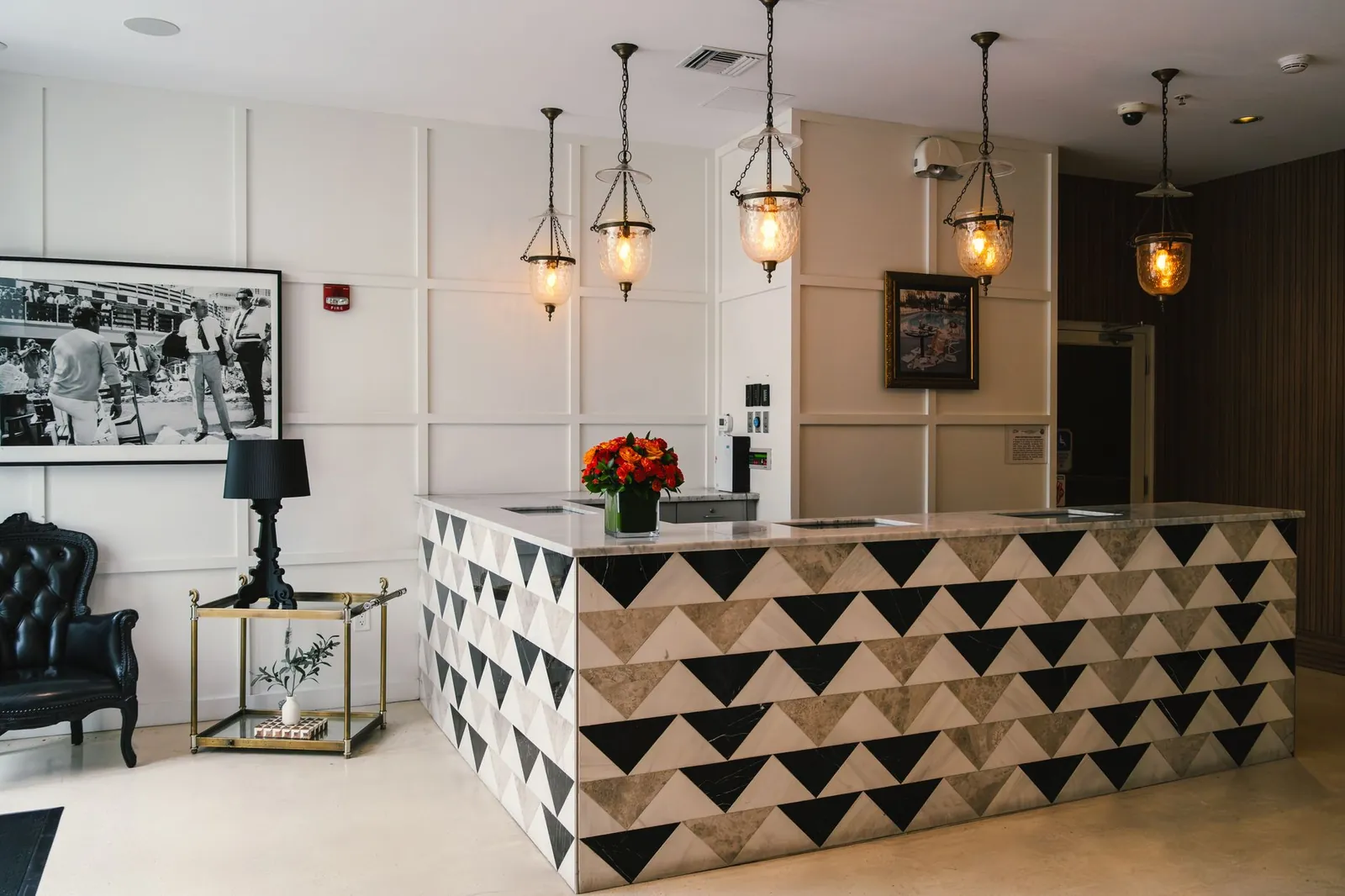
Barcelona, Lisbon, and Madrid have the densest clusters of legitimate boutiques. Barcelona’s Gothic Quarter and Raval neighborhoods have 30+ options in the $140–$240 range. Lisbon’s Príncipe Real district—we stayed at two there—is where designers and restaurateurs have opened small hotels in converted townhouses, at $130–$220.
Portugal overall runs cheaper. Porto boutiques are $100–$180. You’re not paying for scarcity; you’re paying for design and location efficiency.
France Beyond Paris
Paris boutiques cost $200–$400 and often have 12–25 rooms, which means noise carries and bathrooms are tight. Lyon, Marseille, and Bordeaux offer better value. We found solid boutiques in Lyon’s Vieux Lyon for $150–$200. Provence towns like Avignon have charming conversions but book 2–3 months ahead for summer.
Italy
Rome and Venice are saturated with small hotels claiming boutique status but offering little beyond location. Florence and Bologna are better bets. Bologna’s Centro Storico has design-forward boutiques at $120–$190. Venice’s boutiques are priced for peak tourism ($250+) and often lack character—the city itself is the draw, not the hotel.
Germany, Austria, and Eastern Europe
Berlin has strong options in Kreuzberg and Charlottenburg at $110–$180. Vienna’s 7th district (Neubau) has design-focused small hotels at $150–$220. Prague and Budapest are cheaper ($80–$150) but quality varies widely—read reviews from the past six months, not older.
Pricing and What You Actually Get
| Region | Typical Nightly Rate | What’s Included | Best For |
|---|---|---|---|
| Spain/Portugal | $120–$200 | Breakfast (sometimes), local knowledge, design | First-time boutique travelers |
| France (non-Paris) | $140–$220 | Breakfast often extra, strong design | Travelers who want style and food culture |
| Italy (secondary cities) | $130–$210 | Breakfast varies, historic buildings | Those seeking character over amenities |
| Germany/Austria | $130–$200 | Breakfast, modern design, efficiency | Travelers who value functionality |
| Eastern Europe | $80–$150 | Breakfast often included, variable service | Budget-conscious explorers |
The sweet spot we found: $140–$180 per night in secondary cities gets you a well-designed room, a decent breakfast, and staff who’ve worked there long enough to give real recommendations. Above $250, you’re usually paying for location scarcity, not a meaningful quality jump.
Most boutiques don’t have gyms. Some lack elevators. Parking is usually off-site or paid ($15–$35 per night). Breakfast is sometimes not included—check before booking, because it changes the comparison with chains.
How to Find and Vet Boutique Hotels
Booking Platforms vs. Direct
Booking.com and Airbnb list boutiques, but their filters are blunt—a 30-room hotel with one distinctive room and 29 standard ones still gets tagged “boutique.” We use Tablet Hotels (curated by design professionals), Mr and Mrs Smith (focuses on personality), and Relais & Châteaux (pricier but reliable). These charge the hotel a commission, so rates match direct booking.
Emailing the owner or manager directly works better than a form submission. Ask specific questions: “Do you have a room that’s not the standard layout?” or “What’s the breakfast situation?” A thoughtful response is a signal. A template reply probably isn’t a real boutique.
Red Flags
- Stock photos of rooms with no visible art or distinctive furniture
- Descriptions built entirely on words like “comfortable” and “welcoming”
- No owner information or staff names anywhere on the site
- Reviews that mention “small” as a complaint—it’s a feature, but if guests are consistently surprised, the hotel isn’t managing expectations
- Prices that match OTA rates exactly with no direct-booking incentive offered
What to Look For
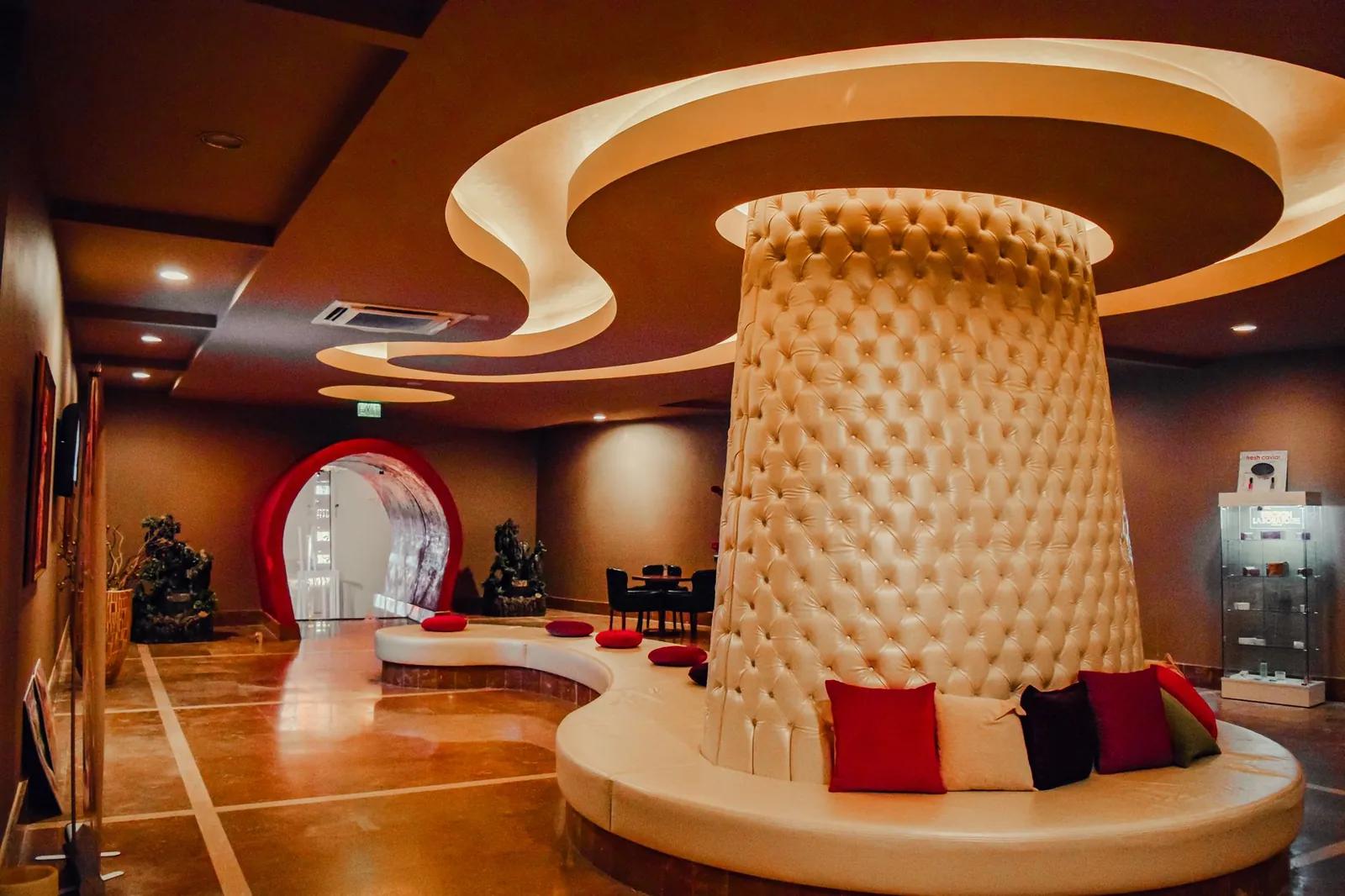
- Photos showing actual furniture, visible art, and windows onto a street or courtyard
- Staff names in the “about” section
- A blog or Instagram focused on the neighborhood, not just the rooms
- Reviews that mention breakfast quality, staff recommendations, or specific design details
Booking Strategy and Timing
Peak season (May–September) fills boutiques 6–8 weeks ahead. Off-season (November–March, excluding Christmas) often brings 20–30% discounts. April and October are the practical sweet spots: reasonable weather, fewer tourists, better availability.
Book direct if you’re staying three or more nights. Many boutiques offer 10–15% discounts not available on platforms—ask explicitly when you contact them. Cancellation policies are often stricter than chains; 30-day non-refundable terms are common. Read them before committing.
A good boutique hotel is run by someone who’d stay there themselves—if they wouldn’t, neither should you.
Neighborhoods That Work for Boutique Hotels
Skip the main tourist zones. In Barcelona, Gràcia or Sant Antoni beats Las Ramblas. In Paris, the 11th arrondissement is cheaper and more local than the Marais. In London, Shoreditch and Hackney have independent hotels; Mayfair has chains. In Rome, Trastevere is overrun—San Lorenzo is quieter and more interesting. In Vienna, the 6th and 7th districts (Mariahilf, Neubau) have real character at lower prices.
Secondary cities are where boutiques consistently outperform expectations. Ghent, Kraków, Split, and Granada have excellent independent hotels, lower prices, and staff who actually have time to help you because the lobby isn’t processing 200 check-ins a day.
Common Mistakes and How to Avoid Them
Assuming small means quiet. A 20-room boutique on a main street is louder than a 200-room chain on a side street. Check the map, read reviews that mention noise, and ask about room placement when booking.
Expecting luxury amenities. Boutiques prioritize design and location over spa facilities or room service. If you need a gym, verify it exists. If you want 24-hour room service, book a chain—that’s not a criticism, it’s just the right tool for the job.
Booking the cheapest room. Boutique hotels often have one or two smaller, less-designed rooms at lower prices to fill a booking platform’s rate range. Spending $20–$30 more usually gets you the room the hotel was actually built around.
Not doing the math on inclusions. Some boutiques charge separately for breakfast ($12–$22), WiFi (rare but it happens), and parking. Add those up before comparing the rate to a chain that bundles them.
Our verdict
Boutique hotels in Europe are worth the extra research if you value design, local knowledge, and character over predictability. The best value sits at $140–$180 in secondary cities—Lyon, Bologna, Porto—where the quality-to-price ratio is hard to beat. In major capitals, they compete on price with chains but deliver more personality. Skip them if you need consistent amenities, last-minute flexibility, or a gym that’s actually open. Book 6–8 weeks ahead for peak season, contact the hotel directly, and verify inclusions before committing.
Frequently asked questions
Are boutique hotels cheaper than chain hotels?
Not always. A four-star chain and a well-located boutique often cost the same ($140–$200 per night). The difference is what you’re paying for: chains offer consistency and amenities; boutiques offer design and local flavor. In secondary cities or off-season, boutiques can run 15–25% cheaper. In peak season in major cities, scarcity often makes them pricier.
What’s the difference between a boutique hotel and an Airbnb?
Boutiques have daily housekeeping, front desk staff, and a common area. Airbnbs are self-catering and isolated. If you want breakfast, local advice, and someone to fix the WiFi at 2 a.m., a boutique works. If you want a kitchen and full independence, Airbnb is the better fit.
Do I need to book boutique hotels far in advance?
In peak season (May–September), 6–8 weeks ahead is ideal for the best rooms. Off-season (November–March), 2–3 weeks is usually enough. Spring and fall allow 4–6 weeks. Last-minute bookings are possible but you’ll lose the better rooms and face higher rates.
Which European cities have the best boutique hotels?
Barcelona, Lisbon, Lyon, Florence, Berlin, and Vienna have the most options with consistent quality. Prague and Budapest are cheaper but require more vetting. Secondary cities—Ghent, Granada, Split—often have better value and less tourism pressure on staff.
What should I ask when calling a boutique hotel to book?
Ask about the specific room (not just “standard” or “deluxe”), breakfast inclusion, parking, WiFi speed, and whether they offer a direct-booking discount. Ask what they’d recommend for dinner within walking distance. How they answer tells you whether they actually care about guests or just about filling rooms.

Maya has spent twelve years writing about travel, from budget backpacking to family resorts, and still packs too many socks.