This article may contain affiliate links. If you buy through them we may earn a commission at no extra cost to you.
Bring one body, one versatile lens, two batteries, and two memory cards. That covers 80% of travel photography. Everything after that is a trade-off between weight and a specific shot you may or may not get—and we’ll tell you exactly when it’s worth it.
Start with one body and one versatile lens
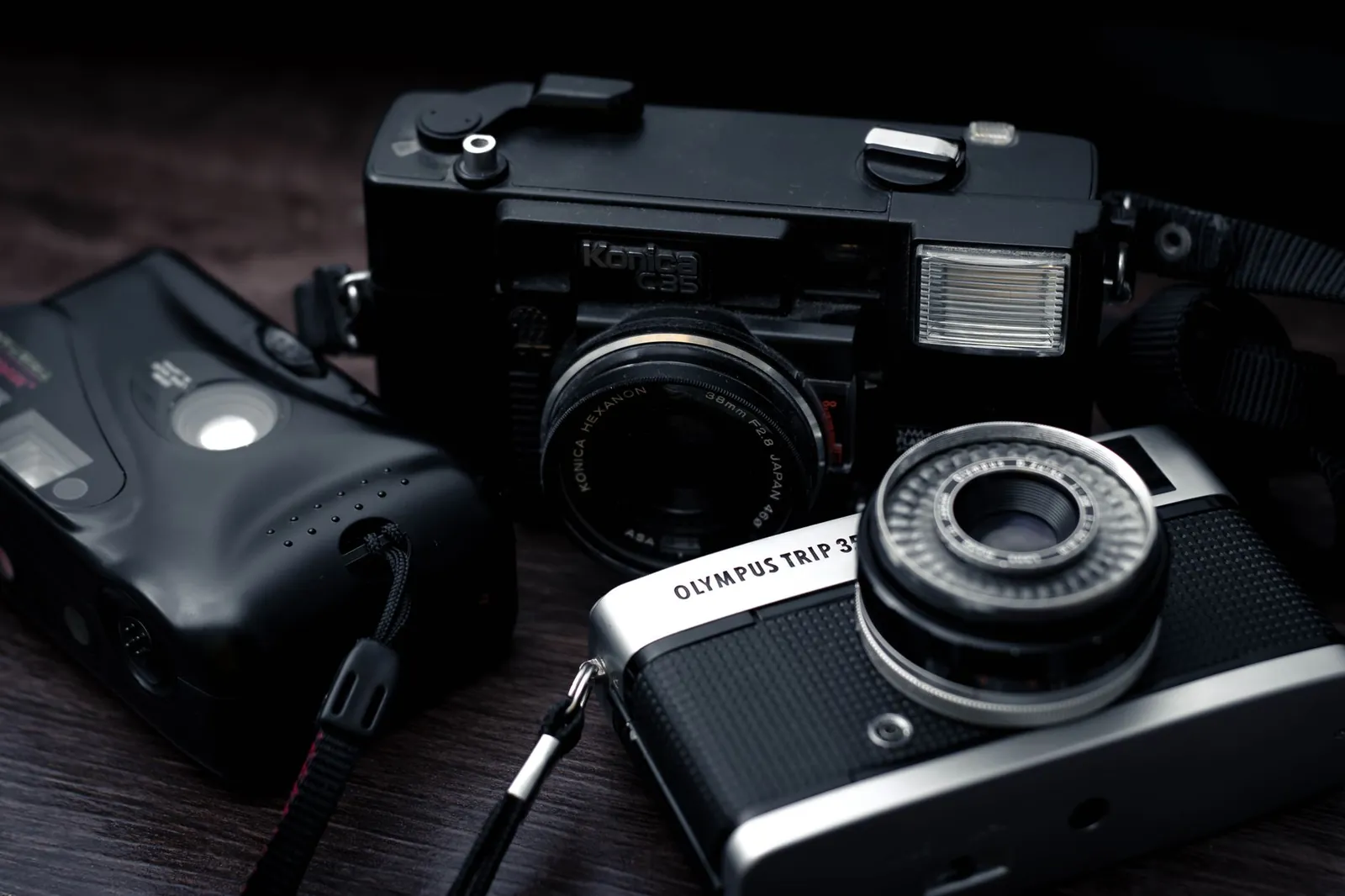
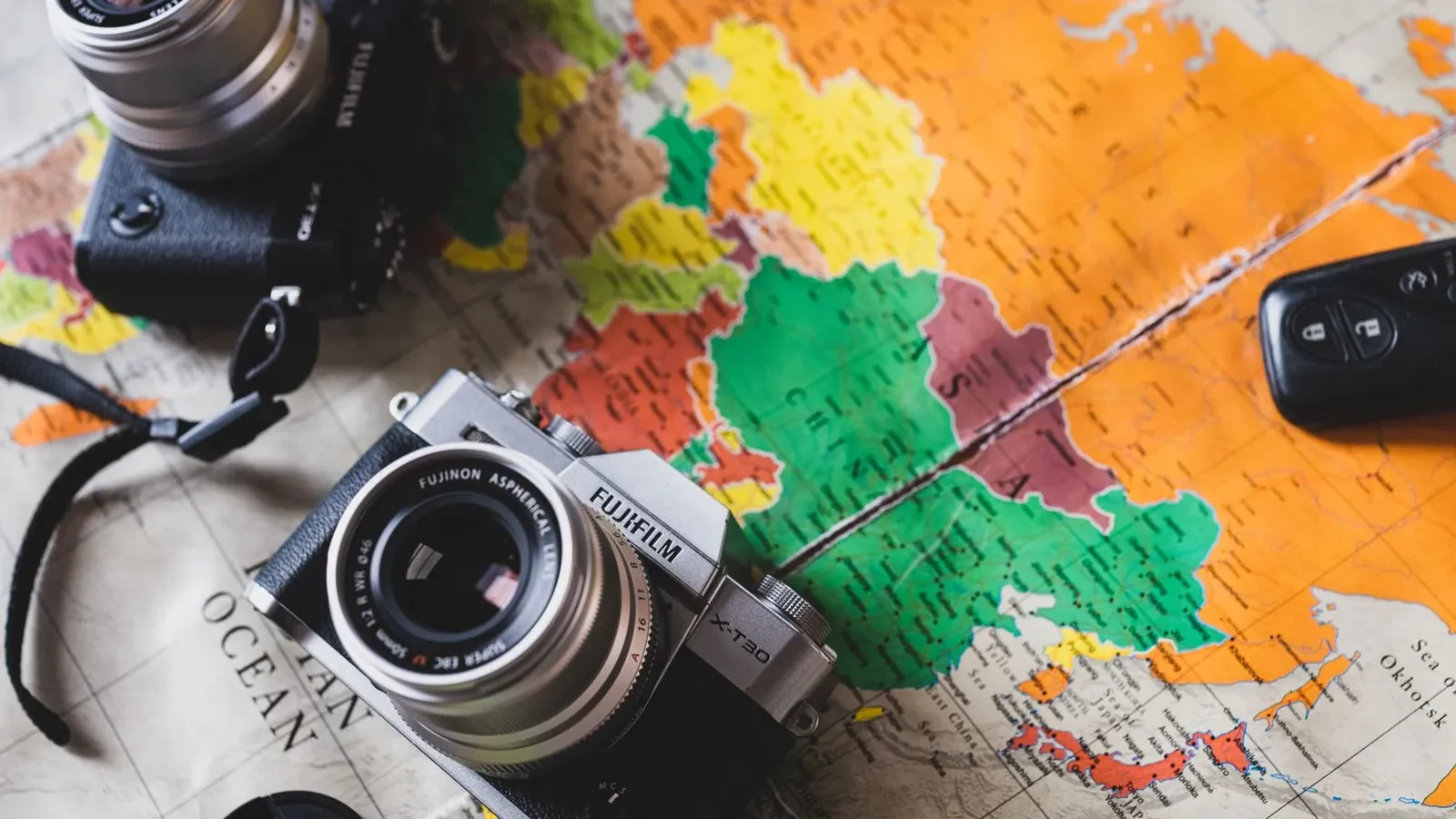
A single mirrorless or DSLR body with a 24–70mm zoom handles landscapes, street scenes, portraits, and detail shots without a lens change. This combination weighs 1.5–2.5 lbs and costs $800–$1,800 used. We’ve shot full two-week trips on nothing else and come home with no regrets.
Mirrorless vs. DSLR for travel
Mirrorless bodies run 1–1.3 lbs and offer better autofocus for video. DSLRs are heavier but have longer battery life and a deeper used-gear market—a three-year-old Canon Rebel or Nikon D7500 costs $400–$600 used and performs identically to newer models for travel. If you already own one, don’t replace it. If you’re buying, mirrorless wins on weight alone.
Battery life is the practical difference that bites people. Pack two batteries regardless of system—we’ve drained a single battery by mid-afternoon on a heavy shooting day in bright sun.
Phone as a backup
Keep your phone in the rotation. Current flagship phones handle low light well enough to crop for 8×10 prints without visible loss, and they’re always in your pocket when your camera is in your bag. Not a replacement—insurance if your main body fails, and genuinely useful for quick social posts when you don’t want to pull out the full kit.
The second lens question
A second lens adds 8–16 oz and $300–$1,200 to your bag. Before packing one, name the specific shots you’d miss without it. Vague answers mean leave it home.
- Ultra-wide (14–24mm): Worth it for architecture and grand landscapes. Adds visual drama but distorts faces at close range. Weighs 10–14 oz. We brought one to Barcelona and used it on every cathedral interior.
- Telephoto (70–200mm): Good for wildlife and compressing distance. Weighs 24–32 oz and dominates a day bag. Not worth it unless wildlife is the point of the trip—we rented one for a Kenya safari at $45/day rather than carry it everywhere else.
- Prime (35mm or 50mm): Lightest option at 6–10 oz, excellent for street work and portraits. Requires you to move your feet instead of zooming. Works best for deliberate photographers; frustrating if you shoot quickly in unpredictable situations.
We typically leave the second lens home unless we’re traveling for a specific genre. When we know we’re going, we bring it. When we’re not sure, we don’t.
Tripod: weight vs. stability
Full tripods weigh 2–4 lbs. Carbon-fiber travel tripods weigh 1–1.5 lbs. A Gorillapod runs 4–8 oz but won’t hold a telephoto steady. A monopod weighs about 1 lb and works for video but is awkward for still compositions.
Bring a tripod only if you’re shooting long exposures—waterfalls, night scenes, star trails—doing self-portraits, or recording video you’ll actually use. We’ve left the tripod home on roughly 60% of our trips and never missed it; we’ve brought it on 40% and used it on maybe half of those days. The math says bring it only when you have a specific plan for it.
The best camera gear is the gear you’ll actually carry and use; everything else is weight you’ll resent by day three.
Filters and small essentials
Three filters are worth considering. A circular polarizer ($30–$80) cuts glare and deepens skies—useful anywhere near water or in bright midday sun. A neutral-density filter ($40–$120) enables long exposures in daylight. A UV filter ($15–$40) protects your front element and costs less than repairing a scratch. Match the thread size to your lens before buying.
For cleaning: a microfiber cloth, a rocket blower, and a lens pen. That’s it. A full cleaning kit adds weight for problems you’re unlikely to have outside a dusty desert environment.
Memory cards: bring two or three 128GB cards ($20–$35 each). We rarely fill one card on a full shooting day, but a card failure on day one of a two-week trip is unrecoverable. Also pack a dedicated card reader—phone adapters are slow and drain your battery during transfer.
Battery and power
Two camera batteries (2–4 oz combined) is the minimum. Many current mirrorless cameras charge via USB-C, which means one cable handles your camera and phone—worth confirming before you pack a separate wall charger. A 10,000–20,000 mAh power bank ($20–$50, weighing 6–10 oz) covers both.
Solar chargers ($40–$80, 8–12 oz) make sense only if you’re outdoors most of the day for multiple consecutive days—a hiking trip or a long overland route. For city travel or mixed itineraries, they’re dead weight. We’ve bought three and regularly use one; the others sit in a closet.
Bag and weatherproofing
A 15–20L backpack ($80–$150) or a crossbody sling ($50–$120) fits a body, two lenses, batteries, and cards without advertising what’s inside. Avoid large dedicated camera bags—they signal expensive gear and eat luggage space you’ll want for everything else.
A rain sleeve or dry bag ($10–$30) is non-negotiable in any destination with unpredictable weather. We’ve had two cameras caught in sudden downpours: one survived in a $20 sleeve, one didn’t. The body that didn’t cost $1,200 to replace.
What to leave behind
Skip the wireless transmitter, remote trigger, backup body (unless you’re a working professional or gone more than three weeks in a remote area), and multiple ND filters in different densities. Lens hoods add bulk for minimal benefit when you’re moving between locations rather than setting up controlled shots.
Every “just in case” item we’ve packed has stayed in the bag. The items we’ve regretted leaving are the ones we actually use: a second battery, a polarizer, and a small tripod when video was part of the plan.
Packing logistics
Keep your camera body and heaviest lens in your carry-on. Batteries must travel in carry-on per airline rules—lithium batteries are prohibited in checked luggage. A second lens and a tripod can go in checked luggage if space is tight. Store your camera in your day pack so it’s accessible the moment you land, not buried in a checked bag waiting at the carousel.
For balancing camera gear against clothing and other essentials on longer trips, see our packing list for two weeks in Europe.
Frequently asked questions
Should I rent camera gear instead of bringing my own?
Renting makes sense when you need a specialized lens for one leg of a trip—we rented a telephoto for a five-day safari at $45/day rather than carry it across three other countries. Rental costs run $20–$60 per item per day; gear is usually well-maintained but may show cosmetic wear. If you own gear and the trip is longer than a week, bringing it almost always saves money. For a trip under five days where you don’t own anything, renting beats buying.
How much should I spend on camera gear for travel?
Start with what you have. If buying, budget $1,200–$2,000 for a body and versatile zoom, new or used. Used gear runs 40–60% less and performs identically—a three-year-old mirrorless body won’t limit your travel photos. Skip expensive lenses until you’ve shot enough trips to know which focal lengths you actually reach for.
Is a mirrorless camera worth the extra cost over a DSLR?
Not if you already own a DSLR. The weight difference—roughly 0.5–1 lb—matters on a long hiking day but won’t change your photos. If you’re buying new and weight is a priority, mirrorless has a clear edge. If you’re buying used on a tight budget, a DSLR at $400–$600 outperforms a mirrorless at the same price point.
What’s the lightest possible camera setup?
A mirrorless body (1–1.3 lbs) with a lightweight 24–70mm zoom (1–1.2 lbs), two batteries (2–4 oz), memory cards (negligible), and a small sling bag (8–12 oz) totals roughly 3–3.5 lbs. A phone alone weighs 0.3–0.5 lbs and handles casual travel photography if image quality isn’t the priority.
Should I insure my camera gear while traveling?
Check your homeowner’s or renter’s insurance first—many policies cover gear abroad up to a per-item limit, usually $1,000–$2,500. If your setup exceeds that, travel insurance with gear coverage runs $15–$40 per trip. For budget kits under $500, self-insuring and accepting the loss is usually cheaper than paying premiums across multiple trips. Keep purchase receipts for customs declarations regardless.

Tomas is a former airline route planner who now writes about fares, airports and getting there without the drama.