This article may contain affiliate links. If you buy through them we may earn a commission at no extra cost to you.
For most trips, a 10,000–20,000 mAh charger with USB-C output and 18–20W speed is the right call—it fits any bag, costs $25–40, and fully charges a modern phone in under 90 minutes. The cases where you need something different are specific, and getting the size wrong in either direction is a real problem: too small and you’re rationing battery in a foreign city; too large and you leave it at the hotel because it’s a brick.
Capacity: What the numbers actually mean
Portable chargers are rated in milliamp-hours (mAh), but that number overstates real-world output. Energy lost in the transfer process—heat, conversion inefficiency—typically runs 20–30%. A 20,000 mAh charger delivers roughly 14,000–16,000 mAh to your phone in practice: about 3.5 full charges for an iPhone 15 (3,349 mAh battery) or 3 charges for a Samsung Galaxy S24 (4,000 mAh).
A 10,000 mAh unit gets you 1.5–2 full phone charges. We carried both sizes across multiple trips and found 10,000 mAh handles most three-to-seven day itineraries with daily hotel access. Step up to 20,000 mAh when you’re moving every day or going 24-plus hours without a reliable outlet.
Capacity by trip type
- Day trips or city breaks with nightly hotel access: 5,000–10,000 mAh. Pocket-sized, 3–6 oz. We used a 5,000 mAh unit in Barcelona across five days and needed it twice.
- 3–7 day trips with regular charging: 10,000–20,000 mAh. The practical sweet spot for most travelers. Weighs 5–8 oz (140–230g). We relied on this size throughout Southeast Asia and rarely ran dry.
- Backpacking or remote travel: 20,000–30,000 mAh, or carry two smaller units. Heavier at 10–14 oz, but necessary when you’re camping or have no outlet access for days. One person in our group carried a 30,000 mAh unit on the Inca Trail and charged her phone twice and a tablet once before needing a top-up.
Speed matters more than you think
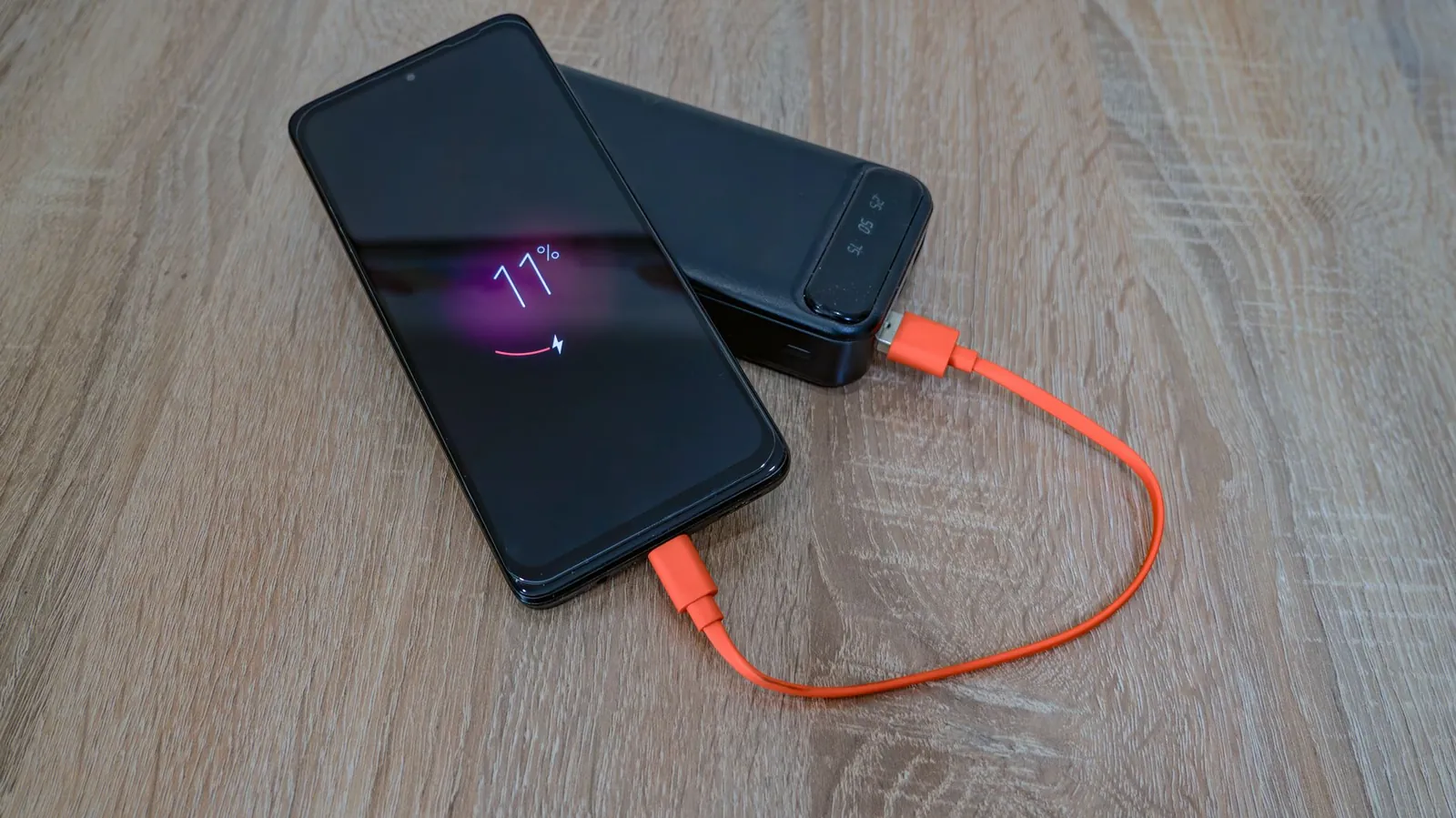
Charging speed is measured in watts. Most phones charge at 10–20W; newer flagships support 30–65W. A 5W charger takes 2–3 hours to fill a modern phone. A 20W charger does it in 45–75 minutes.
We tested this in real airports: a 5W charger during a 90-minute layover left us at 60%. A 20W charger hit 85% in the same window. On a resort week where you charge overnight, speed barely matters. On a trip where you’re catching early trains and moving between cities daily, those extra percentage points are the difference between stress and breathing room.
Wattage trade-offs
Higher wattage means more weight and cost, but not by much. A 5W, 10,000 mAh charger runs $15–25 and weighs about 5 oz. The 20W version of the same capacity costs $30–45 and weighs 6.5 oz. For a two-week trip with daily movement, that extra ounce and $15–20 is worth it. For a week at a beach resort, it isn’t.
Weight and size: The real constraint
We packed a 30,000 mAh charger on a week-long trip and used it once—it was heavy enough that we kept leaving it in the room. A 10,000 mAh unit, roughly the size of a deck of cards at 5–6 oz, came everywhere. The charger you actually carry beats the one with higher specs every time.
| Capacity | Typical Weight | Typical Size | Best for |
|---|---|---|---|
| 5,000 mAh | 3–4 oz (85–115g) | Pocket-sized | Day trips, light packers |
| 10,000 mAh | 5–6 oz (140–170g) | Deck of cards | City breaks, 3–7 days |
| 20,000 mAh | 7–8 oz (200–230g) | Small paperback | Week-long trips, two devices |
| 30,000 mAh | 10–12 oz (280–340g) | Large paperback | Remote travel, camping, 10+ days |
Ports and connectivity
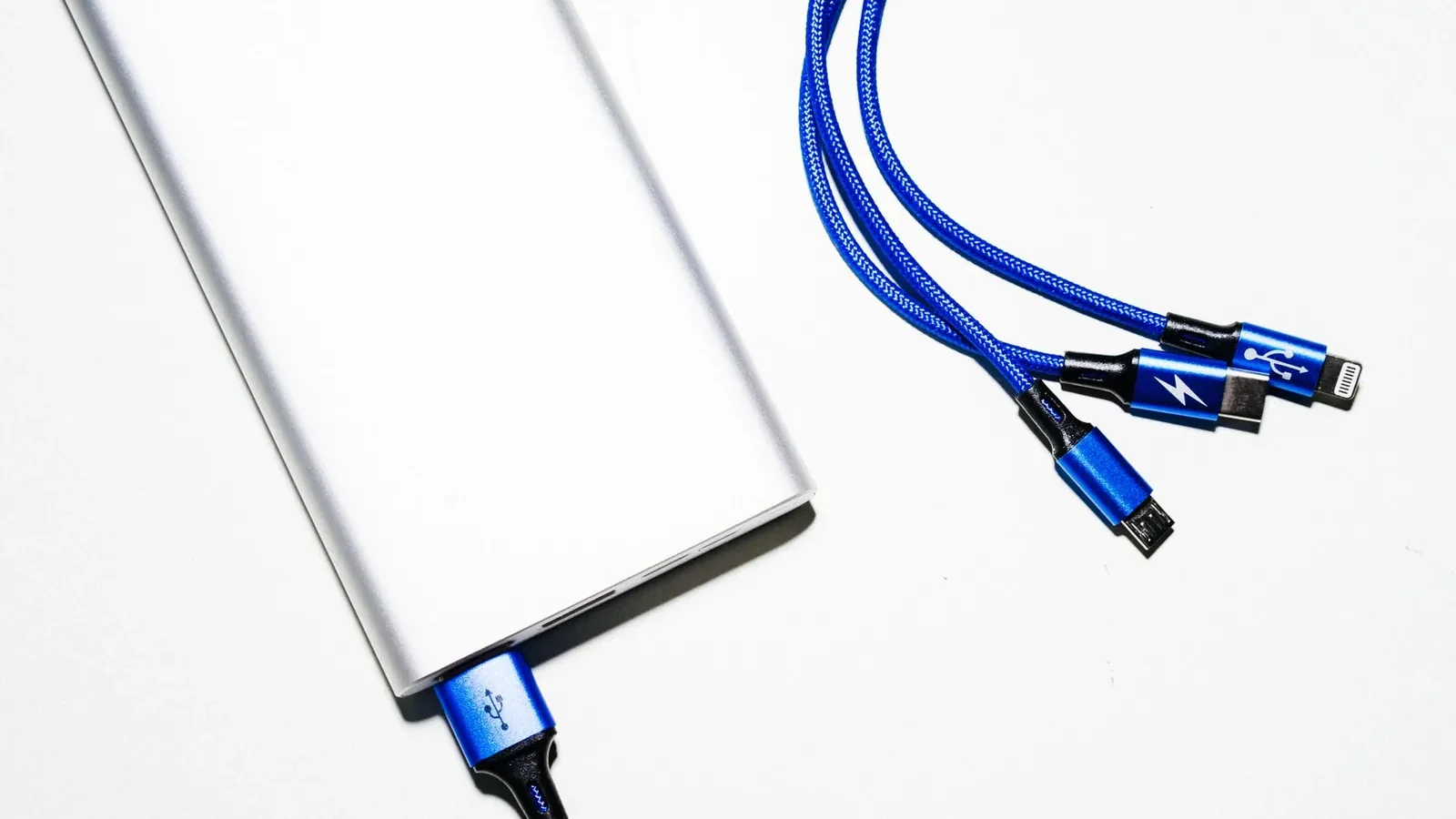
Most chargers now ship with USB-C and USB-A ports. Some add wireless charging or dual USB-C outputs. Here’s what we found actually matters:
- Single USB-C: Lightest, cheapest ($15–30). Fine for one phone. Not for anyone charging multiple devices.
- USB-C + USB-A: The standard configuration ($25–40). Charges a phone and an older device—tablet, Kindle, older earbuds—simultaneously. This is what we carry most often.
- Dual USB-C or three-port setups: Heavier, $40–70. Worth it if you’re traveling with a partner or charging a laptop alongside a phone. Not necessary otherwise.
One spec to check before buying: some chargers only output from one port at a time even when two are present. Simultaneous dual output is worth the extra $10—confirm it’s listed in the specs before you purchase.
Airline rules and TSA compliance
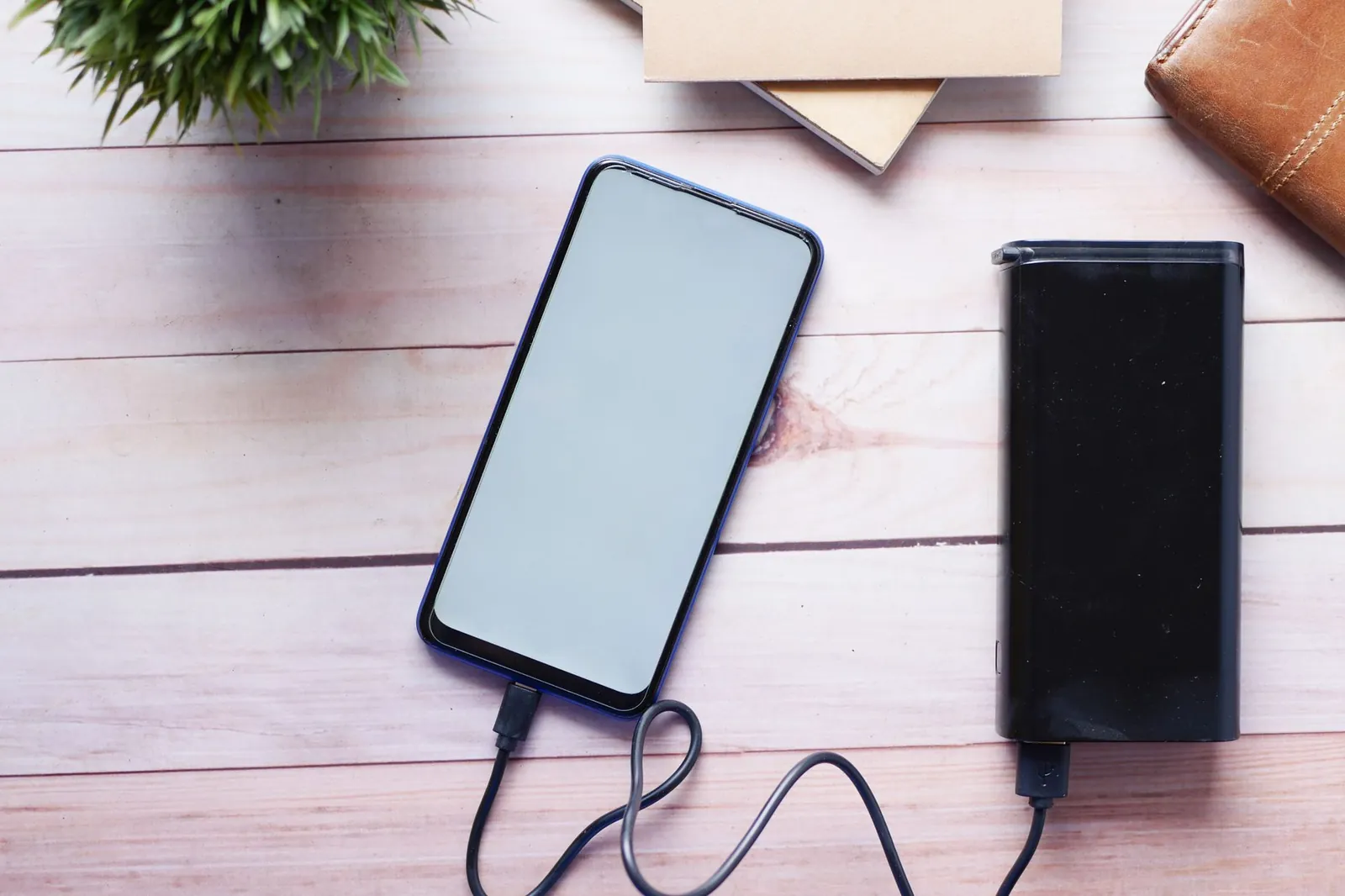
Portable chargers must travel in carry-on luggage, not checked bags. TSA allows lithium battery chargers up to 100 Wh—virtually every consumer portable charger under 25,000 mAh falls well within that limit. You won’t need to declare it at security, but don’t pack it in a checked bag; it will be confiscated.
International carriers occasionally apply stricter rules, particularly regional airlines in Southeast Asia and parts of South America. Check before you fly if you’re not on a major carrier. We’ve never been stopped with a standard portable charger, but we’ve watched other travelers get held up at the gate for not knowing the policy.
You’ll also need a travel adapter for international plugs to recharge the charger itself at foreign outlets, unless your charger accepts USB-C input from a universal power brick—many newer models do.
Real prices and what you’re paying for
- $12–20 (5,000–10,000 mAh, basic): Slower charging, fewer ports. Works fine for casual or occasional travelers. We used budget units on short trips without failures.
- $25–40 (10,000–20,000 mAh, mid-range): The sweet spot. Reliable speed, solid port options, good build quality. This is what we recommend for most people.
- $45–70 (20,000+ mAh, premium brands): Better materials, faster charging, manufacturer warranty. Worth it if you travel more than four or five times a year. Anker and Belkin units we tested in this range outlasted cheaper alternatives by a meaningful margin.
- $80+ (specialty): Solar panels, rugged cases, or very high capacity. Only relevant for multi-week remote travel or overland trips where you can’t charge from a wall for days at a time.
A charger you’ll actually carry is better than a high-capacity one left at home.
Our verdict
For most travelers: 10,000–20,000 mAh, USB-C and USB-A ports, 18–20W output, under 7 oz, $25–40. It charges a phone fully in under 90 minutes and fits any bag. Step up to 20,000–30,000 mAh for 10-plus day trips or remote itineraries. Drop to 5,000–10,000 mAh for city breaks where you’re back at a hotel each night. If you travel more than twice a year, the extra $10–15 for a mid-range unit over a budget one buys reliability that matters when you’re three time zones from home with a dead phone.
Frequently asked questions
Will a portable charger damage my phone’s battery?
No, not with a legitimate charger. Modern portable chargers have built-in protection against overcharging and overheating. We’ve charged the same phones hundreds of times with portable chargers without measurable degradation. Counterfeit chargers—sold cheaply on unverified marketplaces—are the real risk. Buy from established brands or verified retailers.
Can I charge a laptop with a portable charger?
Only if the charger outputs USB-C at 30W or higher. A 10,000 mAh charger won’t fully charge a laptop, but it can add 20–40% depending on the laptop’s battery size. We tested with an iPad and got roughly 60% charge from a 20,000 mAh, 20W unit. For actual laptop charging, a dedicated power bank rated 45W-plus with 25,000-plus mAh does the job—but expect 12–14 oz of added weight.
How long does a portable charger hold its charge when not in use?
Quality chargers retain 80–90% of their charge over 3–6 months when stored in a cool, dry place. We left one in a suitcase for four months and it still showed 85% on the indicator. Heat accelerates loss—a charger stored in a hot car or direct sun will drain faster. Top it off a few days before any trip if it’s been sitting unused.
Is wireless charging on a portable charger worth it?
It’s a convenience feature, not a meaningful upgrade. Wireless charging runs 5–10W versus 18–20W wired, so it’s slower. We tested it on a week-long trip and used the wireless pad twice—mostly because we were moving and needed speed, not convenience. If you already use wireless charging at home and want the same experience on the road, it’s a reasonable add-on. Don’t choose a charger based on it alone.
What’s the difference between a portable charger and a power bank?
Nothing—the terms are interchangeable. Some retailers use “power bank” for higher-capacity units (20,000-plus mAh) and “portable charger” for smaller ones, but there’s no official distinction. Same product, different label.

Tomas is a former airline route planner who now writes about fares, airports and getting there without the drama.