This article may contain affiliate links. If you buy through them we may earn a commission at no extra cost to you.
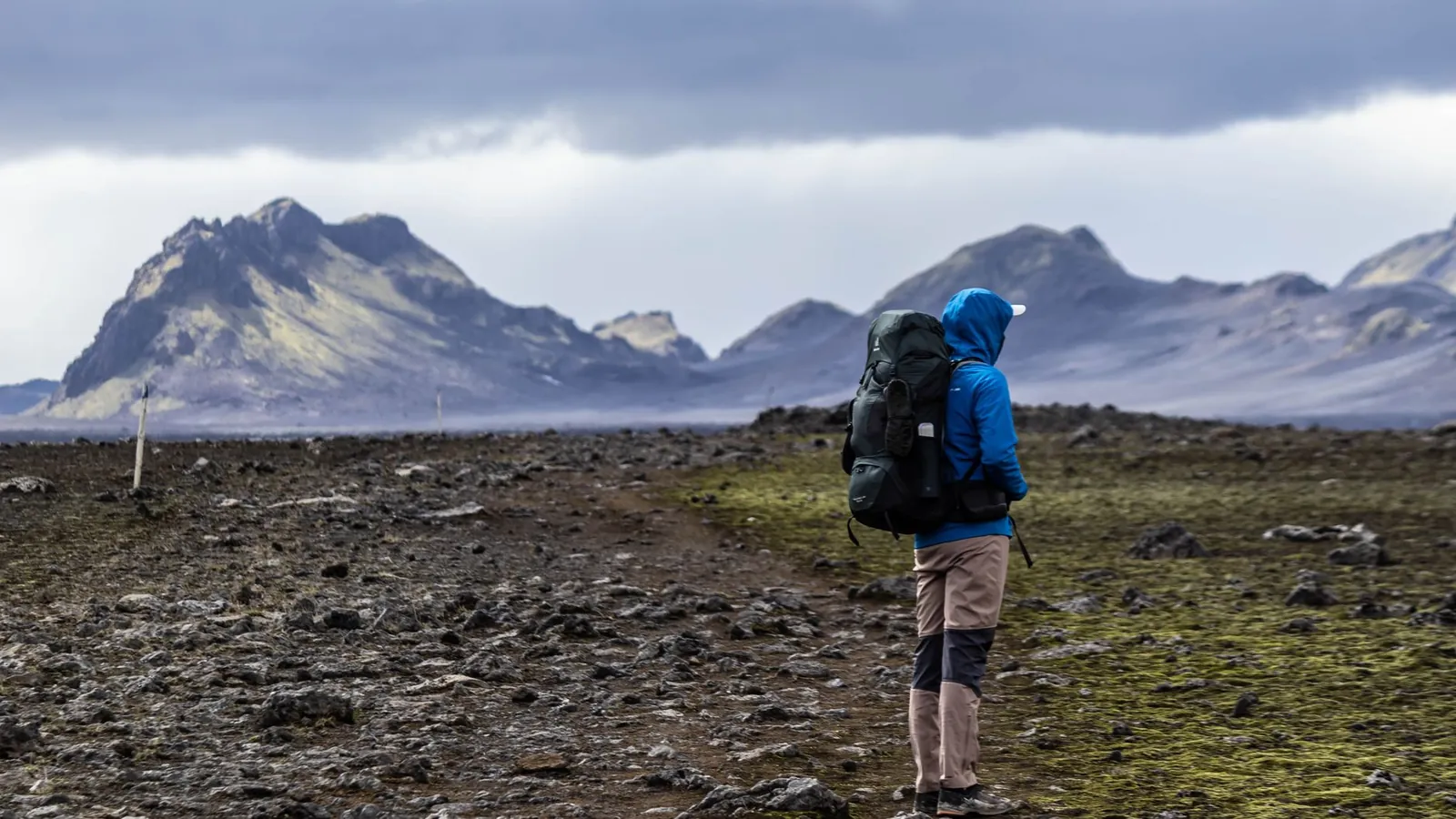
For a 3–10 day hiking trip, the Osprey Rook 65 ($220–$260) is the pack we keep reaching for. If your budget stops at $100, the Decathlon Quechua MH500 is the only sub-$100 option we’d actually trust on trail. We tested eight packs on real terrain—Sierra Nevada loops, Cascade scrambles, Utah desert—and the differences showed up fast.
What actually separates a good hiking pack from a bad one
Three things matter more than any spec sheet: hip belt load transfer, torso fit range, and ventilation. A hip belt that can’t move 60–70% of the load off your shoulders will wreck you by day three. Torso fit range (usually 2–3 inches of adjustment) determines whether the pack sits correctly on your frame. Ventilation matters most in humid climates—a foam back panel traps heat; a mesh one doesn’t.
Volume is a proxy for trip length, not a rule. We’ve done five days in 40L with disciplined packing and seven days in 65L with room to spare. What you carry matters more than the liter count on the tag.
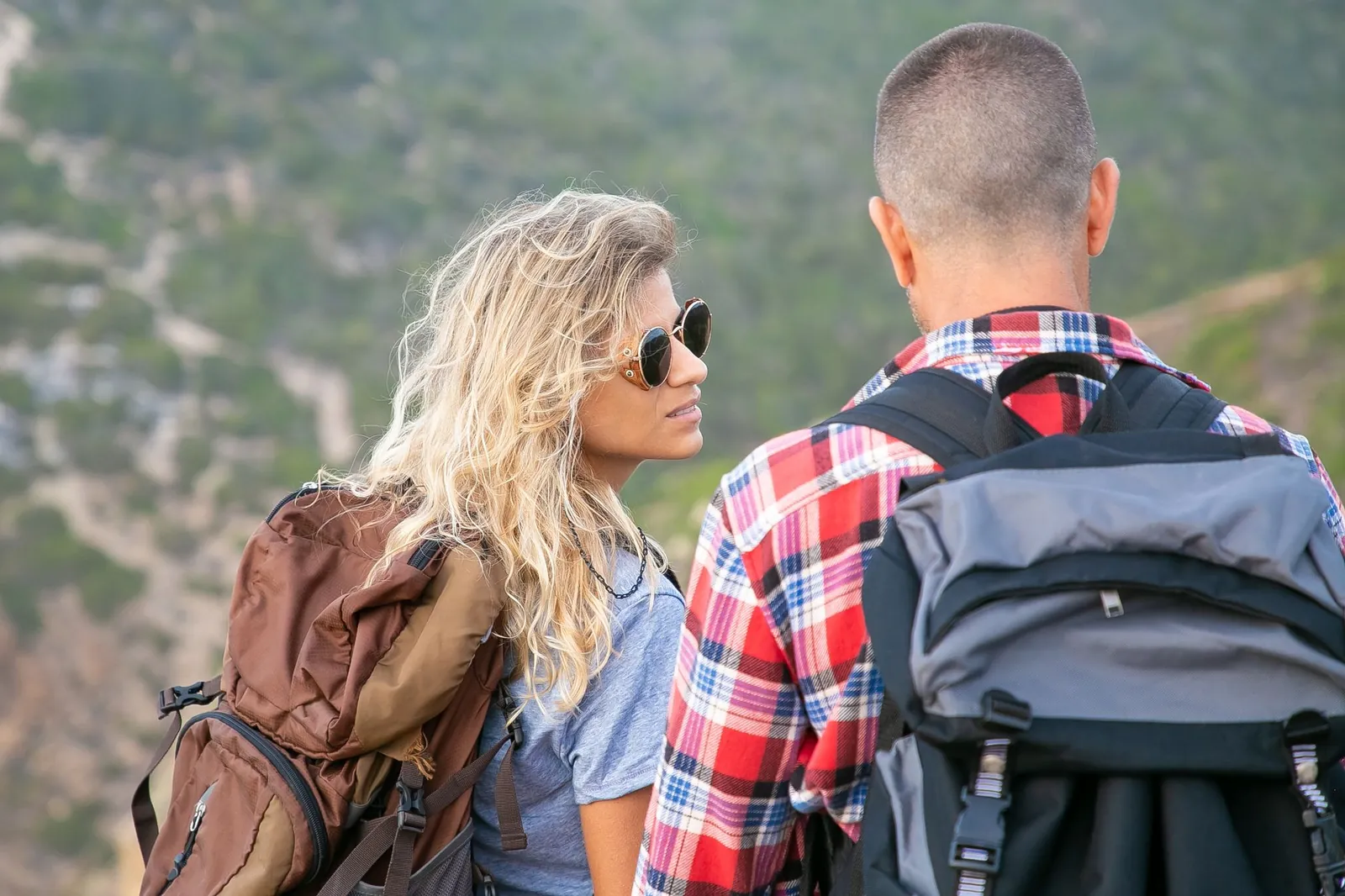
Budget picks: $80–$150
Decathlon Quechua MH500 — $80–$100
We used this 50L pack on a five-day Sierra Nevada loop. The hip belt is genuine—it actually transfers load—and the back panel handles rocky terrain without digging in. At 1.9 lbs empty, it’s the only sub-$100 pack we’d trust beyond a single overnight.
The trade-offs are real: ventilation is basic foam, so your back will be damp in anything warmer than 65°F. Side pockets are shallow enough that a standard 1L bottle sits loose. Loads over 30 lbs feel unstable because the shoulder straps are thinner than mid-range models. Not for long-distance hikers or anyone carrying camera gear, bear canisters, or a full sleep system.
Amazon Basics Hiking Backpack 50L — $65–$85
This one surprised us. The aluminum frame is functional, the hip belt does work, and a two-day Appalachian section produced no failures. For a first pack or a spare for guests, it’s acceptable.
Don’t expect it past two or three seasons of regular use. The zippers are the first thing to go, and the back padding compresses noticeably after a dozen trips. Treat it as a rental-grade pack, not an investment.
Mid-range workhorses: $150–$280
Osprey Rook 65 — $220–$260
This is our most-recommended pack for mixed hiking and travel. At 4.1 lbs, it’s not light, but the hip belt transfer is the best in this price range—on a 32 lb load, we felt roughly 65% of the weight on our hips. The mesh back panel ventilates well in dry heat; it’s adequate but not exceptional in humidity above 80%.
On a 10-day Utah trip mixing trail and off-trail, the top lid came off to shed 15L when we needed agility, then went back on for camp days. Side mesh pockets fit a 1L Nalgene without wrestling. Hip belt pockets hold a phone and snacks without bouncing.
The fabric scratches and shows wear faster than Cordura-based packs. If you care about aesthetics after year two, note that. If you hike 20+ days a year, it’ll look used—but it’ll still work.
REI Co-op Trail 40 — $160–$190
At 40L and 3.2 lbs, this pack is built for steep, technical terrain where a 65L slab catches wind and throws off your balance. The hip belt is more supportive than the size suggests, and the contoured foam back panel kept the load stable on a three-day Cascade scramble with 22 lbs of gear.
Organization is minimal by design: one main compartment, one front pocket. That’s a feature for minimalist packers and a genuine problem for anyone who wants a dedicated sleeping bag compartment or separate food storage. Tight for anything over four days unless you’re packing a 20°F quilt and a cuben fiber shelter. Not for car campers or anyone who packs redundantly.
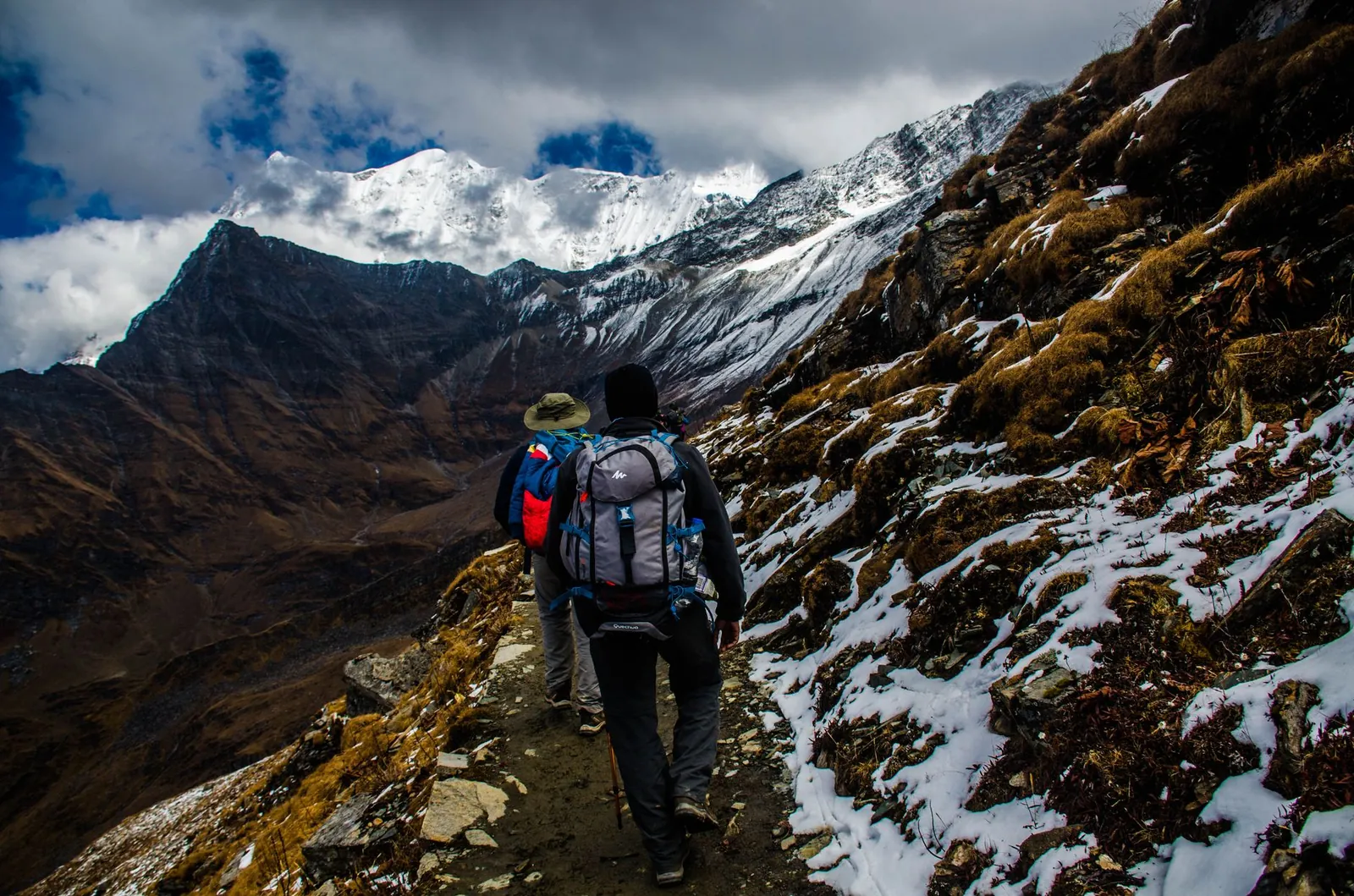
Premium options: $280–$400
Arc’teryx Brize 32 — $300–$380
Buy this pack only if you already know you want 32L, you’re carrying under 25 lbs, and you’ve hiked enough to know that hip belt comfort matters less to you than weight and packability. At 2.8 lbs with Cordura fabric, it’s built for alpine days where every ounce is a decision.
The hip belt is minimal—this pack sits high and tight and does not transfer heavy loads. On a four-day alpine loop, compression straps actually compressed, and pocket placement was intuitive without being excessive. Below 25 lbs, it disappears on your back. Above 25 lbs, your shoulders notice. Not for beginners, not for heavy kits, not for anyone who needs a sleeping bag compartment.
Gregory Baltoro 65 — $350–$400
The suspension system here is the best we’ve tested at any price. The floating frame adjusts to your spine’s curve, and the wide padded hip belt kept 38 lbs stable across six days of mixed trail and off-trail in the Cascades. At no point did we feel the pack shift on uneven ground.
It weighs 4.8 lbs empty. That’s the trade-off, and it’s a real one. On technical terrain or anything requiring agility, the bulk works against you. This pack is engineered for comfort on long, heavy days on established trail—not for scrambling, not for ultralight ambitions. If you’re carrying 30+ lbs for 7+ days, the suspension pays for itself. Otherwise, it’s overkill.
Comparison table
| Pack | Volume | Weight | Price | Best for | Key trade-off |
|---|---|---|---|---|---|
| Decathlon Quechua MH500 | 50L | 1.9 lbs | $80–$100 | Budget 3-day trips | Basic ventilation, thin straps over 30 lbs |
| Amazon Basics 50L | 50L | 2.1 lbs | $65–$85 | Weekend or guest use | Short lifespan, zippers fail first |
| REI Co-op Trail 40 | 40L | 3.2 lbs | $160–$190 | Steep, technical terrain | Minimal organization, tight for 4+ days |
| Osprey Rook 65 | 65L | 4.1 lbs | $220–$260 | Mixed hiking and travel | Heavier; fabric shows wear |
| Arc’teryx Brize 32 | 32L | 2.8 lbs | $300–$380 | Ultralight alpine trips under 25 lbs | Minimal hip belt, not for heavy loads |
| Gregory Baltoro 65 | 65L | 4.8 lbs | $350–$400 | Heavy loads, 7+ day comfort | Bulk and empty weight |
Our verdict
One pack for most people: the Osprey Rook 65 at $220–$260. It handles mixed terrain, adjusts for trip length, and doesn’t force a specific packing style. Budget under $100? The Decathlon Quechua MH500 is the only option we’d stake a five-day trip on. Experienced and going light? The Arc’teryx Brize 32 or REI Trail 40 reward the discipline. Carrying 30+ lbs for a week or more? The Gregory Baltoro 65 earns its price in shoulder relief alone.
A pack that feels light empty will feel heavy full. Buy based on what you’ll actually carry, not on the number printed on the tag.
How to fit a hiking backpack before you commit
Measure your torso length—base of neck to top of hip bone—before shopping. Most packs list a torso range (typically 16–21 inches) on the tag. If you’re outside that range, no amount of strap adjustment fixes it.
When trying a pack, load it with 25–30 lbs, not empty. Tighten the hip belt so it sits on your hip bones, not your waist. Shoulder straps should curve away from your neck, not dig in at the top. If the pack pulls you backward or the straps gap at your shoulders, the torso length is wrong—not the strap tension.
Most outdoor retailers rent packs for $10–$20 per day. If you’re spending $200+, a one-day rental before buying is worth it.
Durability by price tier
Budget packs ($65–$150) use thinner fabrics—typically 210D nylon—that puncture on sharp rock and abrade on granite. We’ve seen Decathlon packs last three years of moderate use (10–15 days per year); Amazon packs have failed on a single scramble. Mid-range packs ($150–$280) step up to 420D nylon or ripstop, which handles most trail conditions without babying. Premium packs ($280+) use Cordura or ballistic nylon—heavier but genuinely abrasion-resistant.
If you hike more than 20 days per year, a pack under $150 will cost you more in replacements than buying once at $200+. If you hike 5–10 days per year, a mid-range pack outlasts your interest in upgrading.
Frequently asked questions
What size backpack do I need for a 5-day hiking trip?
A 50–65L pack covers most five-day trips. Choose 50L if you pack light and sleep in a shelter or use a quilt; choose 65L if you carry a tent, sleeping bag, and full cooking kit. We’ve done five days in 40L, but it requires cutting every redundant item and using a frameless sleep system.
How much should a good hiking backpack weigh?
Empty weight in this category runs 1.9 lbs (budget) to 4.8 lbs (premium). More empty weight usually means better suspension and durability. A 2 lb difference matters when your total load is 35 lbs—but a pack that fits poorly will feel heavier than one that weighs more and fits right. Don’t optimize for empty weight at the expense of hip belt quality.
Can I use a travel backpack for hiking?
It depends on the hip belt. Travel packs designed as carry-on luggage usually have decorative hip belts that don’t transfer load. If your travel pack has a structured hip belt with padding and a frame, it may work for day hikes or easy overnight trips. If the hip belt is a thin strap sewn to the body of the pack, it won’t survive a loaded multi-day trip without punishing your shoulders.
What’s the difference between a hiking pack and a climbing pack?
Climbing packs (30–40L) sit high and tight with minimal hip belts—they’re designed for technical terrain where a low-hanging pack catches on rock. Hiking packs (50–75L) have wide, padded hip belts and lower centers of gravity built for sustained comfort on trail. Use a climbing pack for scrambles and peaks; use a hiking pack for multi-day trail trips with a full kit.
How do I know if a backpack fits correctly?
With a loaded pack on, the hip belt should sit on your hip bones with the buckle centered on your abdomen. Shoulder straps should follow your shoulders without gapping or digging at the top. Lift straps (the small straps angled from the top of the shoulder straps to the pack body) should pull at roughly 45 degrees. If the pack tilts you backward or the straps cut into your trapezius, the torso length is off—not the strap tightness.

Maya has spent twelve years writing about travel, from budget backpacking to family resorts, and still packs too many socks.