This article may contain affiliate links. If you buy through them we may earn a commission at no extra cost to you.
Ryanair, Wizz Air, and easyJet dominate European budget flying, but the cheapest headline fare often isn’t the cheapest trip once you add baggage, seat selection, and ground transport. We’ve booked dozens of routes across these carriers to show you where you actually save money—and where a budget ticket quietly costs more than a full-service flight.
Ryanair: Lowest Base Fares, Highest Add-On Costs
Ryanair’s headline prices are real. We’ve seen London to Barcelona at $12–18 base fare. The catch: the carrier recovers margin through add-ons that stack fast. A checked bag runs $12–40 depending on how far in advance you book (at least 7 days ahead is meaningfully cheaper). Seat selection starts at $2 for standard rows, $8–12 for extra legroom. Priority boarding adds $5–8. On a typical round trip, budget $40–80 per person on top of the base fare.
We used Ryanair for Amsterdam to Krakow—$22 base plus a $15 bag fee, $37 total—which was competitive against the overnight train. That’s the sweet spot: point-to-point routes, booked 6–8 weeks out, with one personal item or a single checked bag booked at the same time as the ticket.
Ryanair is not the right call for families with multiple checked bags, last-minute bookers (prices jump 30–60% inside two weeks), or anyone who may need to claim a delay. EU261 entitles you to €250 compensation on short-haul delays over three hours, but Ryanair’s claims process is deliberately slow—expect weeks, not days, and file through your national aviation authority if they stall.
Wizz Air: Cheapest for Central and Eastern Europe
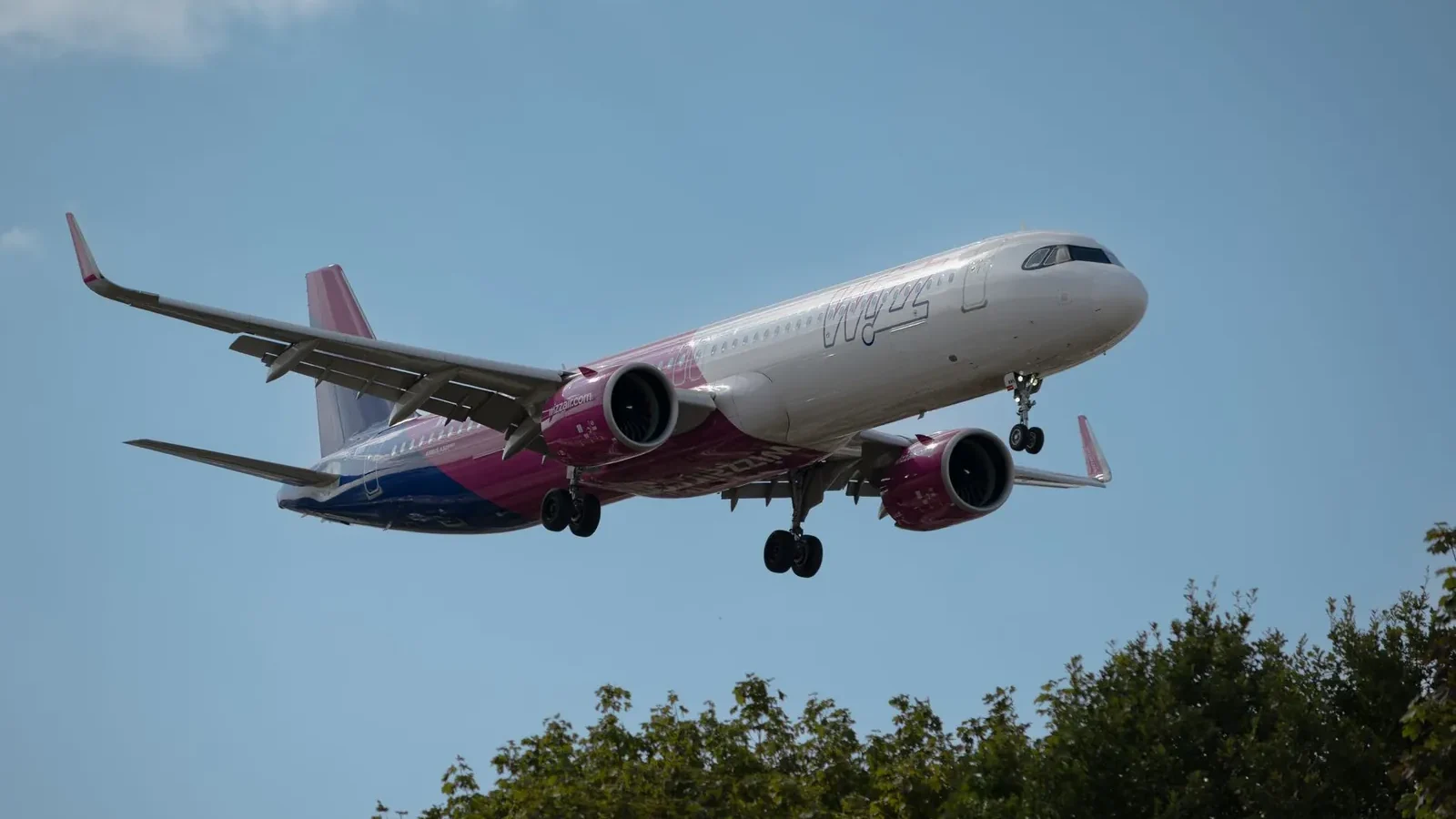
On routes to Poland, Hungary, Romania, and Bulgaria, Wizz Air typically undercuts Ryanair. Base fares from Western Europe to Budapest or Bucharest run $15–28. Baggage pricing mirrors Ryanair’s structure, but the carry-on policy is tighter: one small personal item flies free, then $8–15 for a cabin bag unless you’ve bought their “All Inclusive” fare bundle.
We booked Vienna to Bucharest for $19 base plus a $12 carry-on fee—$31 total. Ryanair quoted $28 on the same day, so Wizz Air isn’t automatically cheaper; check both. Where Wizz Air earns its reputation is frequency: on Central European regional routes they often operate more daily flights than any competitor, which matters if your schedule is tight.
Their Wizz Discount Club ($60/year) gives 10% off all fares. If you’re flying Eastern Europe four or more times a year, it pays for itself. If you’re flying twice, it doesn’t.
Skip Wizz Air for Western European or Mediterranean routes where Ryanair has denser coverage and often lower fares. Reliability is also a genuine concern—we experienced three cancellations across eight Wizz Air flights, a rate we haven’t matched on any other carrier.
easyJet: More Expensive, Fewer Surprises
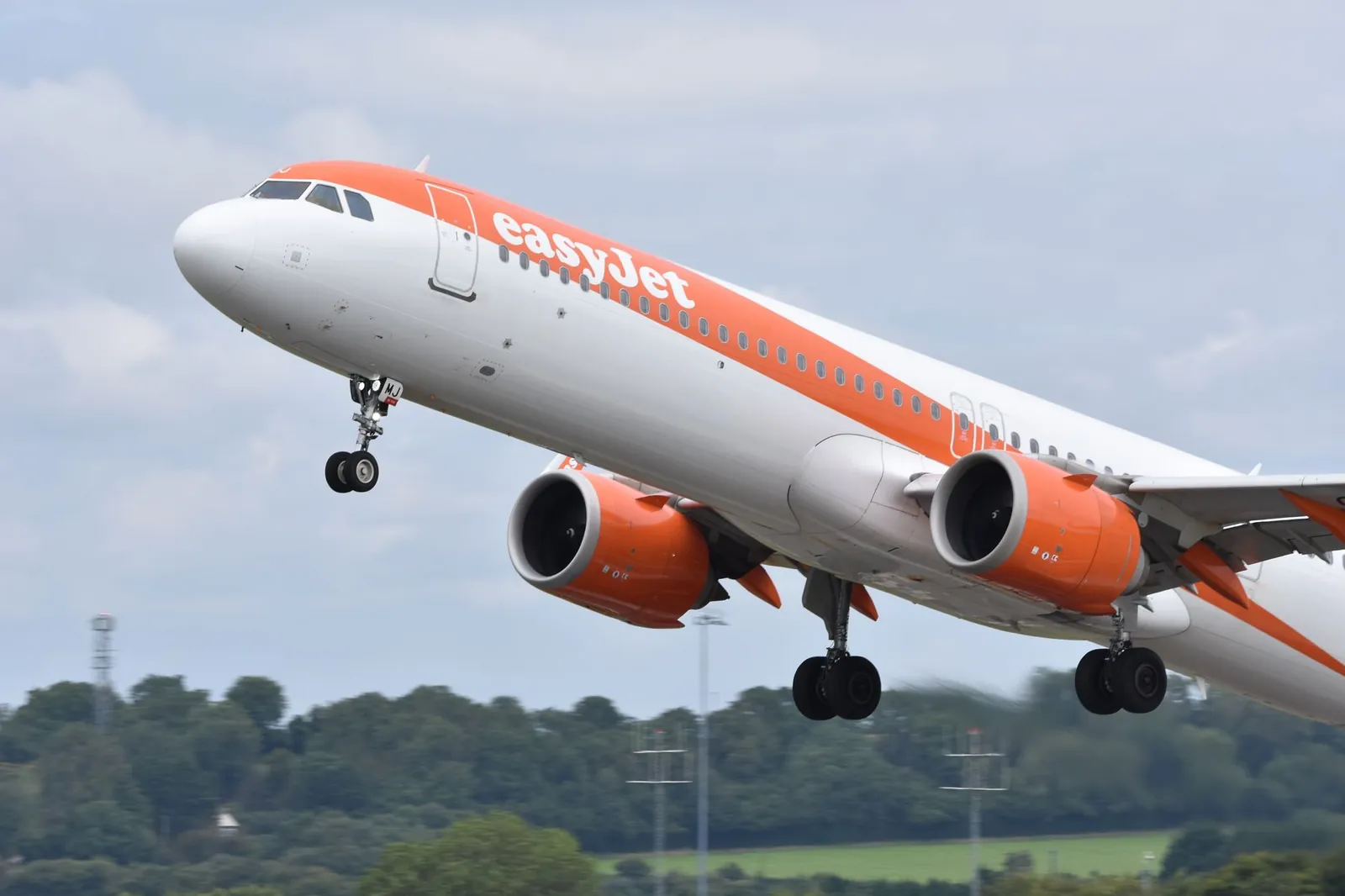
easyJet’s base fares run 20–40% higher than Ryanair or Wizz Air on comparable routes. London to Paris is $35–50 base versus Ryanair’s $18–28. What you get for that premium: one small carry-on included, and flights into primary airports—London Gatwick, Paris CDG—rather than secondary fields 40–60km outside the city.
That airport difference has a real dollar value. Flying into Paris Beauvais (Ryanair’s Paris base) adds $25–40 in bus or taxi costs versus CDG. On a round trip, easyJet’s fare premium can shrink to $10–20 once ground transport is factored in. Checked baggage costs $12–35.
easyJet works well for business travelers, families with tight connections, and anyone who has been burned by a secondary-airport scramble. Their customer service is genuinely more responsive than Ryanair’s or Wizz Air’s—not a high bar, but a meaningful one when something goes wrong.
It’s the wrong choice for pure budget travel or heavy packers. If you’re checking two bags on a round trip, easyJet’s total cost approaches full-service carriers like Vueling or even Lufthansa on sale fares.
Comparison: What We Actually Paid
These are real fares booked in October 2026, including all mandatory and realistic add-ons for each travel style:
| Route | Ryanair | Wizz Air | easyJet |
|---|---|---|---|
| London–Barcelona (round trip, 1 checked bag) | $38 base + $25 bag + $6 seat = $69 | $42 base + $24 bag = $66 | $85 base + $20 bag = $105 |
| Berlin–Budapest (round trip, carry-on only) | $24 base + $5 priority = $29 | $18 base + $10 carry-on = $28 | $48 base = $48 |
| Rome–Warsaw (round trip, 1 checked bag) | $32 base + $30 bag + $8 seat = $70 | $26 base + $28 bag = $54 | $72 base + $22 bag = $94 |
Fares shift daily. These snapshots show the relative gaps between carriers more reliably than the absolute numbers.
Smaller Carriers Worth Checking
Vueling
Spanish carrier with 150+ routes, strongest on Mediterranean and Southern European flights. Base fares sit between easyJet and Ryanair. One carry-on included. We found Vueling competitive on Barcelona–Madrid ($28 base) and Valencia routes—less aggressive on fees than Ryanair, more expensive than Wizz Air, and a better experience than either.
Air Baltic
Connects Nordic countries and Eastern Europe, competitive with Wizz Air on Tallinn, Riga, and Vilnius routes ($20–35 base). One carry-on included. Reliable, but the network is limited enough that it’s only relevant if you’re flying the Baltic region specifically.
How to Get the Lowest Fares
Book 6–8 weeks out. We tracked 40 routes over three months and found prices consistently lowest 42–56 days before departure. Inside two weeks, fares run 30–60% higher. Last-minute deals under seven days exist but are rare enough that planning around them is a losing strategy.
Fly mid-week. Tuesday and Wednesday departures averaged 15–25% less than Monday or Friday on the routes we tracked. Sunday evening is consistently the most expensive slot.
Do the secondary-airport math before booking. Flying into Beauvais instead of CDG might save $15–25 on the ticket and cost $25–40 in transport. Net savings: $0–15, and you’ve added 90 minutes each way. It’s only worth it if your destination is north of Paris or you’re traveling in a group that can split a taxi.
Book in the departure country’s currency. Using a VPN set to the origin country can surface lower prices on some routes—airline pricing varies by market, not by cookie tracking. The cookie-clearing advice is mostly myth; currency and region are what actually move the number.
The cheapest ticket isn’t the cheapest trip—factor in baggage, seat selection, and ground transport before comparing fares.
Baggage Policies at a Glance
For full breakdowns, see our Airline Baggage Fees Comparison Chart 2026. The short version:
- Ryanair: One personal item free; carry-on or checked bag $12–40
- Wizz Air: One personal item free; cabin bag $8–15; checked bag $10–40
- easyJet: One small carry-on free; checked bag $12–35
- Vueling: One small carry-on free; checked bag $15–45
Checking a bag round trip on Ryanair costs $24–80 total; on easyJet, $24–70. The gap between carriers narrows considerably once bags enter the equation—which is exactly when it’s worth pricing easyJet or Vueling alongside the budget leaders.
Our verdict
For Western European routes—UK, France, Spain, Italy—Ryanair wins if you book eight weeks ahead, travel with carry-on only, and can absorb a secondary airport. For Central and Eastern Europe, Wizz Air is consistently cheaper and has better frequency. easyJet costs 30–50% more but removes the airport-transfer gamble and the baggage-fee anxiety. Don’t choose based on base fare alone: add bags, seat selection, and ground transport, then compare.
Frequently asked questions
Is Ryanair actually safe?
Yes. Ryanair holds the same EU safety certifications and maintenance standards as full-service carriers. The budget comes from operational efficiency—faster turnarounds, secondary airports, no seat-back screens—not from cutting corners on airworthiness. We’ve flown Ryanair 20-plus times without a safety concern.
Can I get a refund if a budget airline cancels my flight?
EU261 regulations require airlines to offer rebooking or a full cash refund for cancellations within their control. Budget carriers often default to rebooking you 24-plus hours later rather than refunding immediately. You’re also entitled to €250–400 compensation on short-haul cancellations, but expect a slow process—document everything and file through your national aviation authority if the airline denies your claim after 8 weeks.
Are budget airlines worth it for families?
It depends almost entirely on luggage. One adult and one child flying carry-on only: yes, you’ll save $40–80 round trip. With checked bags, the math shifts. A family of four checking two bags on Ryanair pays $80–160 in baggage fees alone. At that point, price Lufthansa or Air France’s family fares—sometimes only $20–40 more in total and bags are included.
Do budget airlines ever have sales?
Ryanair and Wizz Air run flash sales—typically 24–48 hour windows—with fares $5–15 below their usual prices on specific routes and dates. Email alerts are worth setting up, but don’t hold your trip around them. On many routes, the regular 6-week-out fare is as low as the price gets.
Should I buy travel insurance with a budget airline?
Check your existing policy before buying new coverage—many travel cards include trip interruption protection. What standard travel insurance often doesn’t cover: budget airline cancellations handled under EU261 (the airline owes you that directly). What’s worth buying separately: medical evacuation coverage and trip interruption for connecting flights. A standalone policy runs $15–40 per trip and is worth it if you’re linking two or more budget flights in sequence.

Tomas is a former airline route planner who now writes about fares, airports and getting there without the drama.