This article may contain affiliate links. If you buy through them we may earn a commission at no extra cost to you.
The U.S. State Department uses a four-level advisory system, updated continuously, and right now roughly 30 countries sit at Level 3 or 4. Where your destination falls determines what travel insurance will cover, how much embassy support you can expect, and which parts of a country are actually off-limits. Here’s what that looks like, region by region.
North America: Localized Caution, Not Blanket Risk
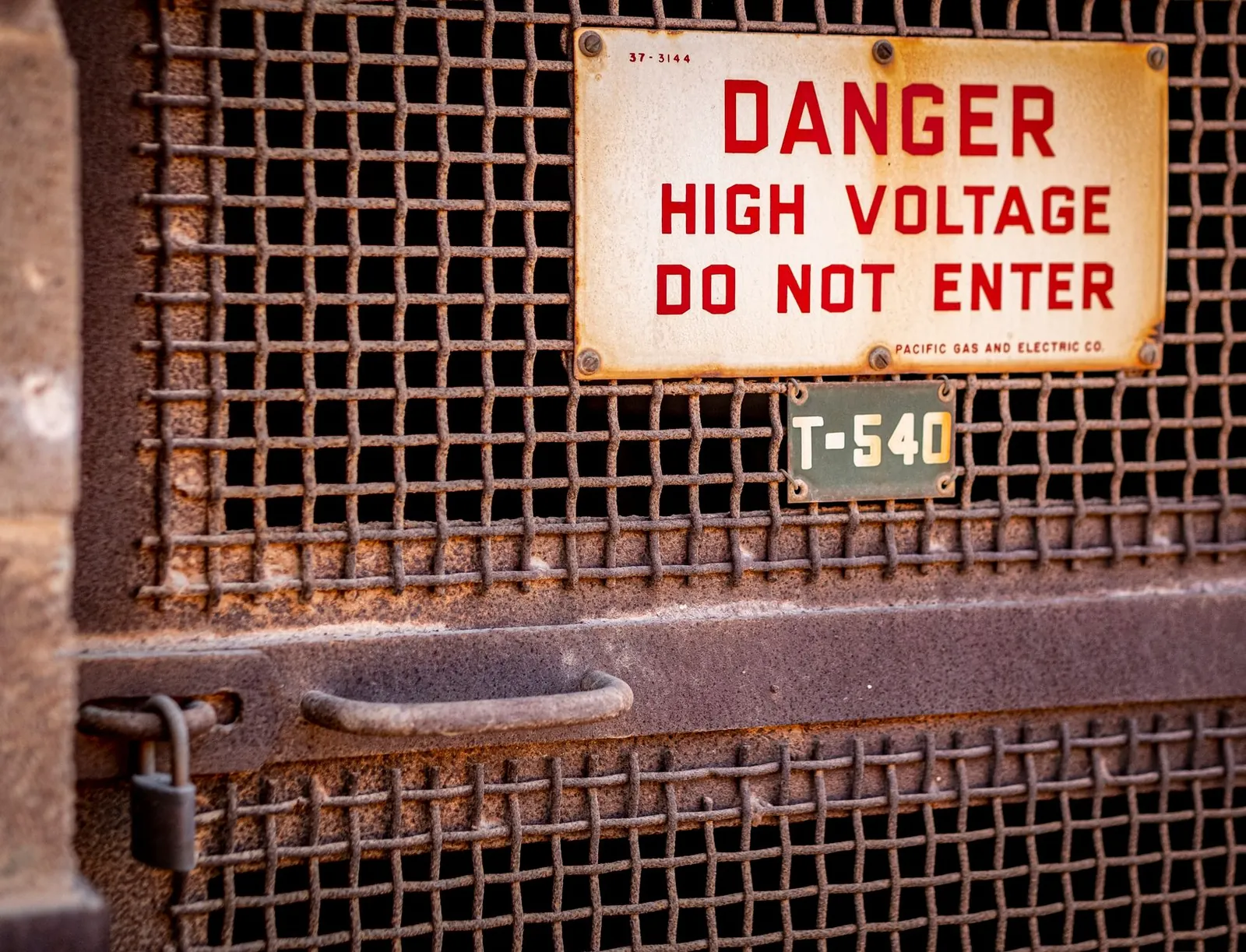
The U.S. and Canada are both Level 1 across most of their territory. Mexico is the outlier. Most tourist zones—Mexico City, Cancún, Puerto Vallarta—hold at Level 1, but Guerrero, Sinaloa, Colima, and Michoacán states sit at Level 3 (Reconsider Travel) or Level 4 (Do Not Travel). That’s not a footnote; it’s a hard line for most travel insurance policies, which exclude claims originating in Level 4 zones regardless of what actually happened to you.
For Mexico City or the Yucatán Peninsula, standard urban caution applies: don’t flash valuables, use registered taxis or Uber, stay in established neighborhoods. The northern border states are a different calculation entirely—criminal organization activity there is documented and ongoing, not hypothetical.
Within the U.S., the advisory system doesn’t flag specific cities, but the crime statistics do. New Orleans, parts of Chicago’s South Side, and certain Los Angeles neighborhoods have violent crime rates that exceed many Level 2 countries. Most national parks and smaller cities, by contrast, are statistically safer than the average Western European capital.
Europe: Petty Crime and Occasional Political Tension
Western Europe is Level 1 across France, Germany, the UK, Italy, and Spain. The real risk here is organized pickpocketing in high-traffic zones—Paris Métro, Barcelona’s Las Ramblas, Rome near the Colosseum. We lost a phone to a distracted moment on the Paris Métro; it happens to dozens of tourists daily and rarely involves any confrontation.
The highest safety risk in Europe is usually your own inattention in crowded spaces, not random violence.
Eastern and Southeastern Europe
Poland, Czech Republic, and Hungary remain Level 1. Ukraine is Level 4 (Do Not Travel) due to active conflict. Moldova, Georgia, and Armenia carry Level 3 designations in specific regions bordering disputed territories—not the capital cities, but the edges. If your itinerary includes those border zones, travel insurance becomes nearly impossible to obtain and embassy support is limited to what staff can safely provide.
In 2026, France and Germany added advisory notes around large public gatherings and protests—still Level 1, but with a caution to avoid demonstrations. The practical effect is inconvenience, not danger: a blocked metro line, a rerouted walk. Protests in both countries have not targeted tourists directly.
Middle East and North Africa: Read Country by Country
Regional assumptions fail here more than anywhere else. The UAE, Bahrain, and Oman are Level 1—petty theft is rare, violent crime is low, and women travelers report minimal street harassment compared to several neighboring countries. Jordan is Level 1 on its main tourist routes (Petra, Wadi Rum, Aqaba); the Syria border region is not. Egypt is Level 2 overall, with Level 3 zones in the Sinai Peninsula and Western Desert that most tourists never approach—the Red Sea resorts at Sharm el-Sheikh and Hurghada operate normally under heightened visible security.
Lebanon is Level 4. Israel-Palestine is Level 3 due to ongoing conflict. Tunisia holds Level 1 in its coastal tourist areas and Level 3 near the Libyan border.
Travel insurance in this region isn’t optional. A Level 2 designation means insurers will cover you, but they’ll scrutinize claims carefully. At Level 3, most standard policies won’t pay out at all.
Sub-Saharan Africa: Tourism Corridors vs. Unstable Regions
South Africa, Kenya, Rwanda, Tanzania, Uganda, and Botswana attract the bulk of Western visitors and hold Level 1 or Level 2 status. The major game reserves in Kenya and Tanzania are heavily monitored—tourist infrastructure is robust and incidents are rare. Johannesburg and Lagos have genuine street crime in specific neighborhoods, but organized tours and established hotels operate without the risks that Level 2 suggests to most readers.
The Sahel tells a different story. Mali, Burkina Faso, and Niger have escalated to Level 3–4 due to active insurgent activity. Somalia, eastern DRC, and parts of Nigeria carry the same designations. The pattern holds across the continent: the risk isn’t visiting the country, it’s departing from the established tourist corridors into areas where local security infrastructure is thin or absent.
Asia-Pacific: Diverse Profiles, Seasonal Considerations
Southeast Asia splits cleanly. Thailand, Vietnam, Cambodia, and Laos are Level 1 for most regions. Southern Thailand—Pattani and Yala provinces—is Level 2 due to periodic militant activity, but those provinces don’t appear on standard tourist itineraries. The Philippines is Level 2 overall because of kidnapping risks in Mindanao; Manila, Cebu, and Boracay are Level 1. Indonesia is Level 1 with Level 2 restrictions in Aceh and Papua.
Australia and New Zealand are Level 1 throughout. Natural hazards—cyclones, bushfires, rip currents—are your actual concern, not crime.
East Asia and South Asia
Japan, South Korea, and Taiwan are Level 1. China is Level 1 for most of the country, Level 2 for Xinjiang and Tibet due to political restrictions and limited transparency for foreign visitors. India is Level 1 overall, but women travelers should research specific states before finalizing itineraries—rural areas in several northern states carry documented harassment risks that urban tourist zones don’t. Pakistan is Level 3; Afghanistan is Level 4.
Latin America: Urban Caution, Tourist Route Safety
Colombia and Peru are Level 1 in their main tourist zones—Bogotá, Medellín’s El Poblado and Laureles neighborhoods, Lima, the Inca Trail—and Level 2–3 in coca-growing regions and border areas. We’ve traveled through Colombia’s main cities and found security comparable to mid-sized U.S. cities: visible police presence, organized tourism infrastructure, low random violence. The drug-trafficking corridors that built Colombia’s reputation are in remote rural areas, not where tourists go.
Chile and Argentina are Level 1. Brazil is Level 2 overall—city centers in Rio, São Paulo, and Salvador function normally for tourists, while favelas and peripheral neighborhoods carry Level 2–3 risks that are genuinely serious. Venezuela is Level 4. Peru’s main trekking routes are heavily trafficked and safe; the jungle border regions with Colombia and Bolivia are not.
How to Check and Update Advisories Before You Travel
The most detailed source is the U.S. State Department’s travel.state.gov, which breaks advisories down by country and often by specific province or region. The UK Foreign Office (gov.uk/foreign-travel-advice), Canada (travel.gc.ca), and Australian DFAT (smartraveller.gov.au) maintain equivalent systems with slightly different risk thresholds.
Check 2–3 weeks before departure and again one week out. Advisory levels can shift on short notice—a border skirmish, a disease outbreak, or a sudden political crisis can move a country from Level 1 to Level 2 within days. Your travel insurance policy often locks in coverage based on the advisory level at the time of booking, not at the time of travel, so the timing of when you purchase matters.
Frequently asked questions
Do I need travel insurance if my destination is Level 1?
Not legally required, but the medical math makes it worth carrying. Level 1 means low crime risk, not zero medical risk. Medical evacuation from a remote national park, island, or mountain region can exceed $100,000. We budget $50–$150 for annual travel insurance depending on trip length and planned activities. Before buying, check whether the policy covers adventure activities, pre-existing conditions, or pregnancy—standard policies routinely exclude all three.
Can I travel to a Level 3 country?
Yes, but the trade-offs are concrete. Most travel insurance won’t cover claims in Level 3 zones. Credit card trip-cancellation benefits typically won’t apply. Embassy support is limited to what staff can safely provide. If you go, register with your embassy beforehand via the State Department’s STEP program, maintain daily check-ins with someone at home, and stay out of the specific regions flagged as dangerous. Many Level 3 countries contain Level 1 tourist corridors—the advisory applies to the country, not uniformly to every square mile of it.
What’s the difference between Level 2 and Level 3?
Level 2 (Exercise Increased Caution) means genuine risk exists—crime, political instability, or health concerns—but tourism functions normally and most travelers face no problems following local advice. Level 3 (Reconsider Travel) means your government considers the risk significant enough to recommend skipping the trip. At Level 3, insurance coverage becomes murky and official support is reduced. The gap between the two matters most when something goes wrong and you need either a payout or an evacuation.
Are women travelers at higher risk in certain regions?
Yes, and it’s specific rather than general. Parts of South Asia, several Middle Eastern countries, and some Latin American destinations see higher documented rates of street harassment and assault targeting women. That doesn’t mean avoid them—it means research the specific region, travel with others where the risk is elevated, dress conservatively where it’s expected, and use registered taxis or ride-sharing apps rather than hailing cars on the street. Women-only tour operators and travel groups exist for many of these destinations if solo travel feels uncomfortable.
How do I know if an advisory applies to my specific itinerary?
Read the country-level advisory first, then look for the regional breakdown within it. Most advisories name specific provinces, states, or border zones. If your destination isn’t listed as restricted, you’re likely in a lower-risk corridor. Cross-reference with your hotel or tour operator—they have current, on-the-ground knowledge that government advisories can lag by days or weeks, particularly after fast-moving local events.

Tomas is a former airline route planner who now writes about fares, airports and getting there without the drama.